Key Points:
- Japanese Prime Minister Sanae Takaichi held a phone call with Iranian President Masoud Pezeshkian on Thursday.
- Takaichi urged Iran to allow safe passage for all commercial ships through the Strait of Hormuz.
- The Japanese leader praised the recent safe transit of a Japanese-owned oil tanker through the critical waterway.
- Japan pushes for a final agreement between the United States and Iran after a 2-week ceasefire stalls.
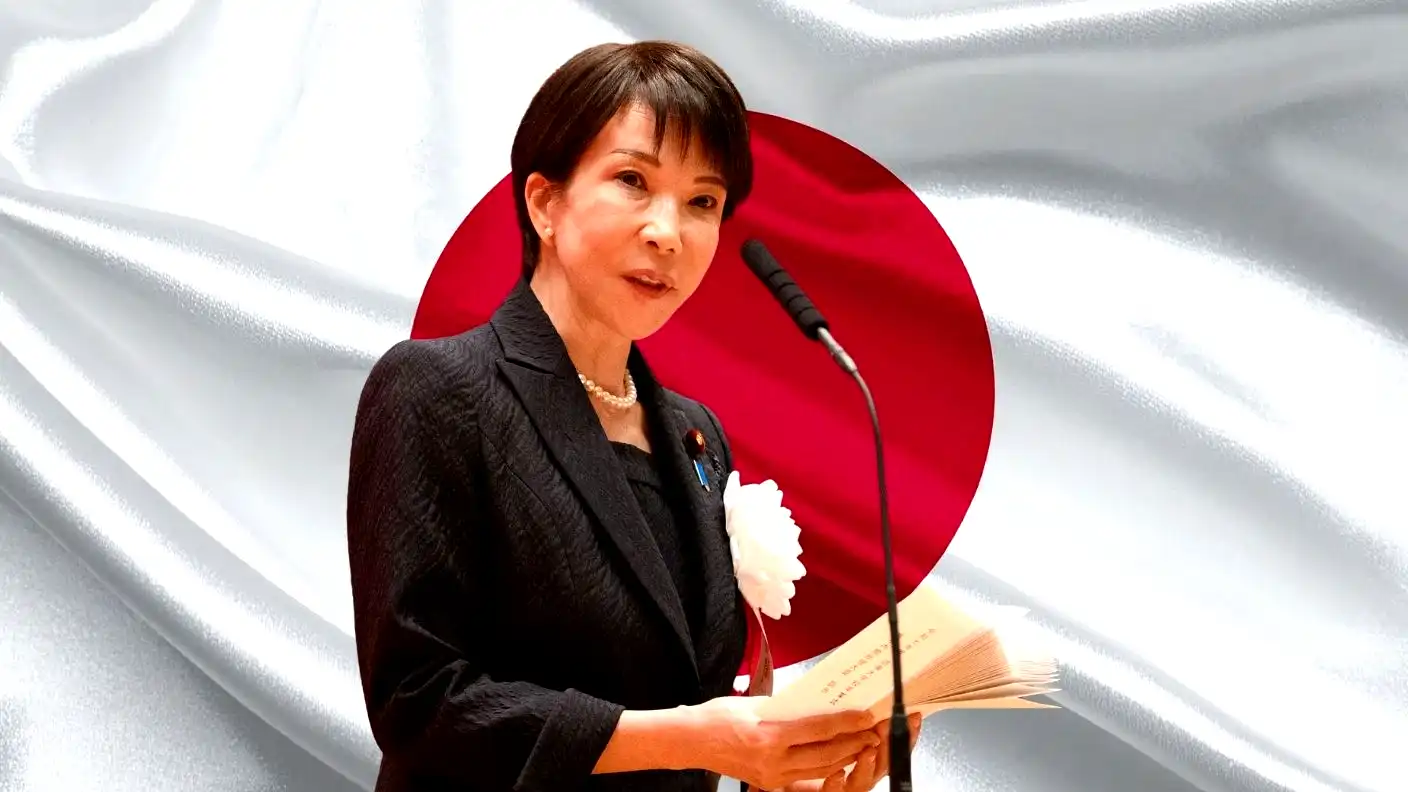
Japanese Prime Minister Sanae Takaichi directly urged Iran to open the Strait of Hormuz for global shipping. She held a vital phone conversation with Iranian President Masoud Pezeshkian on Thursday. During the call, the Japanese leader stressed the immediate need to secure safe passage for commercial ships from all countries. The phone call marks a major diplomatic step as the regional war continues to disrupt international trade. Many cargo ships currently avoid the dangerous area due to the heavy military presence.
Following the phone call, Takaichi spoke to reporters in Tokyo to explain her diplomatic strategy. She told the press that she delivered a very clear and strong message to Pezeshkian regarding the ongoing war. She expressed Tokyo’s deep hope for a swift resumption of peace negotiations. Takaichi specifically wants the United States and Iran to return to the negotiating table immediately. She stated that both sides need to work together to reach a final agreement and end the fighting permanently.
The Prime Minister also highlighted a recent piece of good news during the press briefing. Earlier this week, a Japanese-owned oil tanker successfully moved through the Strait of Hormuz without facing any attacks. Takaichi told the Iranian president that she views this safe transit as a highly positive move. The safe passage of this specific vessel brings slight relief to the Japanese government. However, leaders in Tokyo know that one safe ship does not solve the larger global shipping crisis.
Japan plans to keep pushing for peace through steady and calm communication. Takaichi promised the public that her administration will proactively continue every diplomatic effort and arrangement available to them. She emphasized that Japan and Iran will maintain close communication in the coming weeks and months. Tokyo wants to use its longstanding diplomatic relationship with Tehran to help ease tensions in the highly volatile region.
The current conflict creates severe problems for Japan and its delicate energy supply chain. The Asian nation relies heavily on the Middle East for its daily crude oil imports. Historically, Japan buys nearly 90 percent of its oil from Middle Eastern suppliers. The vast majority of this essential fuel must travel directly through the narrow Strait to reach Japanese ports. When the war essentially closed the Strait in late February, it threatened the energy supply that keeps the Japanese economy running.
This sudden closure forced Japan to rethink its entire national energy strategy overnight. The government and private energy companies now scramble to diversify their oil sources as quickly as possible. They must find new suppliers in North America or Africa to make up for the missing Middle Eastern shipments. Buying oil from these new markets often costs more money and requires much longer shipping routes. These extra costs eventually trickle down and hurt everyday consumers back home.
Diplomatic progress between the warring nations currently sits at a frustrating standstill. Takaichi and Pezeshkian previously held a similar phone conversation on April 8. They spoke right after Washington and Tehran announced a conditional 2-week ceasefire deal. That temporary pause in fighting gave global financial markets a brief moment of hope and temporarily lowered oil prices.
Unfortunately, the incision failed to improve after that initial breakthrough. While the basic ceasefire framework technically remains in place today, actual peace talks between the United States and Iran stalled completely. Negotiators stepped away from the table, leaving the future of the region entirely uncertain.
Japan knows that a prolonged standoff will cause even more economic pain across the globe. The Strait of Hormuz serves as the absolute most important chokepoint for global crude transportation. Millions of barrels of oil pass through the narrow waterway every single day during normal times. If the waterway remains effectively closed to most traffic, fuel prices will continue to squeeze businesses and families around the world.
The Japanese government will watch the military situation closely over the coming days. Takaichi hopes her direct conversation with Pezeshkian will encourage Iranian leaders to soften their aggressive stance on commercial shipping. Until the United States and Iran sign a final peace agreement, Japan must continue its difficult search for alternative energy supplies to keep its cities powered.