Key Points:
- German Finance Minister Lars Klingbeil ordered oil companies to pass on a 0.17-euro-per-liter fuel discount to consumers.
- The government launched a $1.88 billion tax relief package to help drivers cope with the energy shock from the war in Iran.
- The Federal Cartel Office caught several gas stations significantly raising their prices instead of applying the mandated discount.
- Klingbeil urged US President Donald Trump to end the war in Iran and reopen the Strait of Hormuz to global shipping.
German Finance Minister Lars Klingbeil delivered a strict warning to oil companies on Friday. He told corporate leaders they must pass a brand new government fuel price discount directly to everyday consumers. The German government introduced this tax cut to help drivers cope with the massive energy price shock caused by the ongoing war in Iran.
To lower costs at the pump, leaders temporarily slashed the national energy tax on both diesel and petrol. The cut reduces the price by about 0.17 euros per liter. This relief package costs the government roughly 1.6 billion euros, which equals about $1.88 billion. The tax cut officially started on Friday and will run through May and June.
Klingbeil made his stance clear during a Friday morning interview. He promised that politicians will closely monitor local gas stations to make sure drivers actually get the savings. The finance minister also champions a new windfall tax to target the massive profits energy companies currently make while citizens struggle to fill their gas tanks.
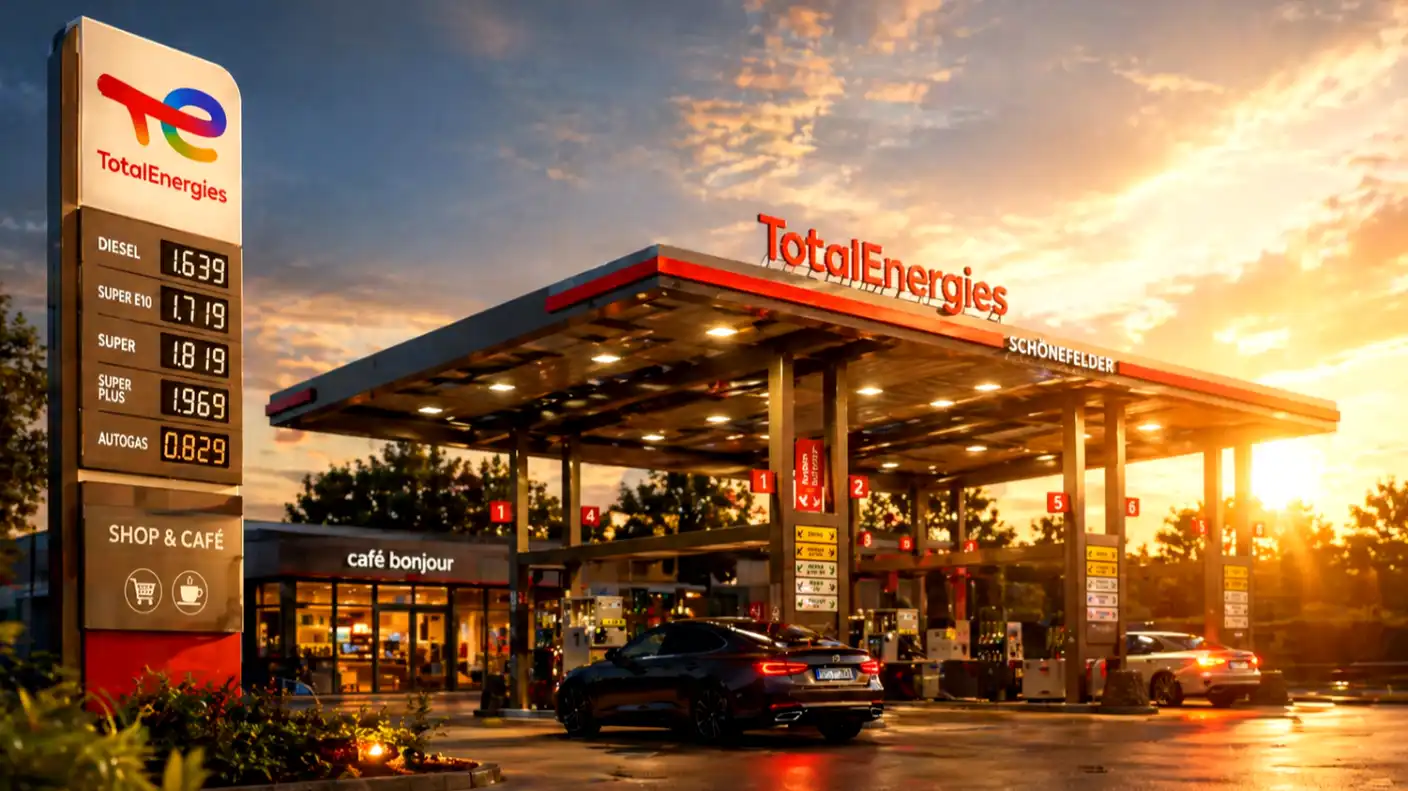
The German Federal Cartel Office stepped in to monitor the situation on day one. Andreas Mundt, the president of the office, reported some surprising behavior at local gas stations. He noted that while many stations dropped their prices, some had actually increased them significantly by Friday afternoon.
Mundt delivered a sharp message to the fuel industry. He stated that the tax cut exists strictly to give consumers and the broader economy a break during a tough time. He called the oil companies mere custodians of this relief money. He demanded that the cash reach the actual customers rather than corporate bank accounts.
This massive energy crisis hits Germany incredibly hard. As the largest economy in Europe, Germany has already struggled to bounce back from the global pandemic. High manufacturing costs and fierce competition from China put a heavy strain on the country’s export-driven business model. Factories pay massive energy bills, making it harder for them to sell products cheaply overseas.
This economic stress creates huge political risks for Klingbeil and his allies. His Social Democratic Party took a severe beating in the March state elections. Now, his party and Chancellor Friedrich Merz’s conservatives face a massive threat from the far-right Alternative for Germany party. The far-right group is currently surging in national polls as voters demand solutions to high living costs.
Internal arguments often shake the ruling coalition as they push for new tax, pension, and health reforms. However, Klingbeil brushed off rumors that the coalition is at a breaking point. He called the disagreements a normal part of democracy. He stressed that the government must modernize the country and return to a growth trajectory after four years of economic weakness.
Klingbeil took the job of finance minister one year ago, and he openly admits that the Iran war ruined their economic recovery plans. He noted that the conflict dragged down economic growth just when leaders hoped conditions would finally improve for German workers and factory owners.
Germany strongly opposes the war in Iran. The conflict widens a growing gap between the administration of United States President Donald Trump and his European NATO allies. Disputes over defense spending, Ukraine, and trade tariffs have already damaged these international relationships in recent years.
Klingbeil sent a direct message to the American leader on Friday. He urged the United States government to end the war immediately. He demanded that President Trump focus on negotiations and make sure the critical Strait of Hormuz reopens to global shipping so energy prices can finally drop.