Key Points:
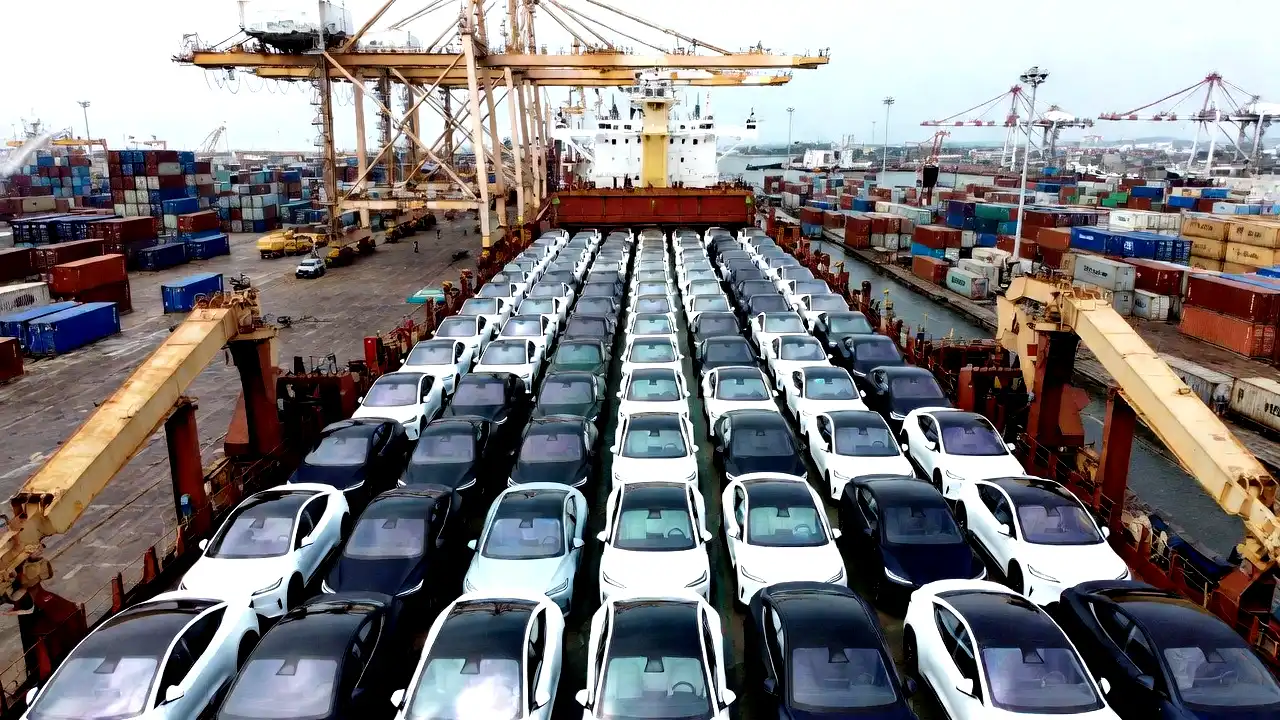
- President Donald Trump announced plans on Friday to raise tariffs on cars and trucks imported from the European Union to 25%.
- Germany’s auto association president Hildegard Mueller urged both sides to hold swift talks and honor their existing trade deal.
- Mueller warned that the massive cost of these new tariffs will ultimately hurt everyday car buyers in the United States.
- The sudden tariff hike reverses a previous agreement that capped import duties on European vehicles at exactly 15%.
The German automotive industry is sounding the alarm after a major policy shift from the White House. President Donald Trump announced on Friday that he plans to drastically increase import tariffs on cars and trucks coming from the European Union. This sudden move sparked immediate concern across the global manufacturing sector, prompting business leaders to ask for quick diplomatic solutions.
Hildegard Mueller serves as the president of the German Association of the Automotive Industry, widely known as the VDA. She quickly stepped up to represent the worried carmakers following the Friday announcement. Mueller strongly urged government officials from both the United States and the European Union to sit down for swift talks. She wants both sides to respect and honor the existing trade agreement that they already put in place.
The financial stakes for car companies and everyday buyers are incredibly high. Mueller warned that the raw cost of these new tariffs would be absolutely enormous for the industry. She also pointed out that European companies will not be the only ones paying the price. The VDA president made it very clear that these heavy financial penalties will definitely impact regular consumers living in the United States.
When a government places a massive tax on imported goods, the companies selling those goods usually pass the cost right down to the buyer. If European automakers have to pay more money to bring their cars across the ocean, American families will have to pay much higher prices at their local car dealerships. Some industry analysts estimate that a steep tariff increase could easily add $2,000 to the final sticker price of an imported family car. This simple economic reality explains exactly why German industry leaders feel so worried about the sudden tax hike.
Trump used his Truth Social platform to announce his new trade plan. He declared that he will raise the tariff rate on European cars and trucks to a steep 25% starting next week. The president justified this aggressive move by claiming the European Union completely failed to comply with a previous trade deal the two sides agreed upon last summer.
That previous agreement brought a sense of calm to the auto market when leaders signed it at a golf resort in Scotland last year. The deal capped the American tariff on European cars and auto parts at exactly 15%. This 15% rate offered a solid compromise and kept vehicle prices relatively stable for American shoppers. Tearing up that specific agreement and jumping straight to a 25% penalty represents a massive financial blow to companies that ship thousands of vehicles across the ocean every week. The sudden shock leaves major brands scrambling to adjust their shipping schedules.
However, the president offered one major exception to his new rule. Trump stated clearly that the 25% penalty will only apply to vehicles imported directly from overseas. He promised that if European companies build their cars and trucks in factories in the United States, those vehicles will face absolutely no tariffs.
This specific exemption aims to force foreign companies to bring their manufacturing jobs to American soil. Trump noted that many automobile plants are already under construction, representing over $100 billion in new investment. By threatening a heavy tax on imported goods, he hopes to push even more European companies to hire American workers and build their products locally.
This new trade dispute arrives at a very tense moment for international relations. Political friction between the United States and Germany grew significantly in recent days. Trump recently directed heavy criticism toward German Chancellor Friedrich Merz regarding the ongoing military conflict with Iran. The American president is frustrated with how European nations conduct foreign policy, and this frustration often spills over into global trade decisions.
Germany stands to lose the most money if this new 25% tariff actually takes effect next week. The European nation relies heavily on its massive auto industry to keep its national economy strong and growing. Germany exports a large share of its cars and parts directly to American buyers every year, generating billions in revenue. Losing easy access to that massive consumer base could force German factories to slow down production and potentially cut thousands of well-paying jobs. Major companies like Volkswagen, BMW, and Mercedes-Benz all saw their stock prices drop following the initial trade war rumors.
Business leaders on both sides of the Atlantic Ocean now wait nervously to see what happens next. The VDA hopes that level heads will prevail and that politicians can fix the situation before the new tariffs officially kick in. Until then, the global auto market faces deep uncertainty, and American car buyers might want to prepare for higher sticker prices in the near future.