Key Points:
- The Australian government banned children under 16 from using social media platforms last December.
- New research reveals 61 percent of 12 to 15-year-olds still access their social media accounts.
- Critics point out a maturity paradox, noting 16-year-olds can drive and pay taxes but cannot use Instagram.
- Tech-savvy teenagers easily bypass the new laws using virtual private networks and parental accounts.
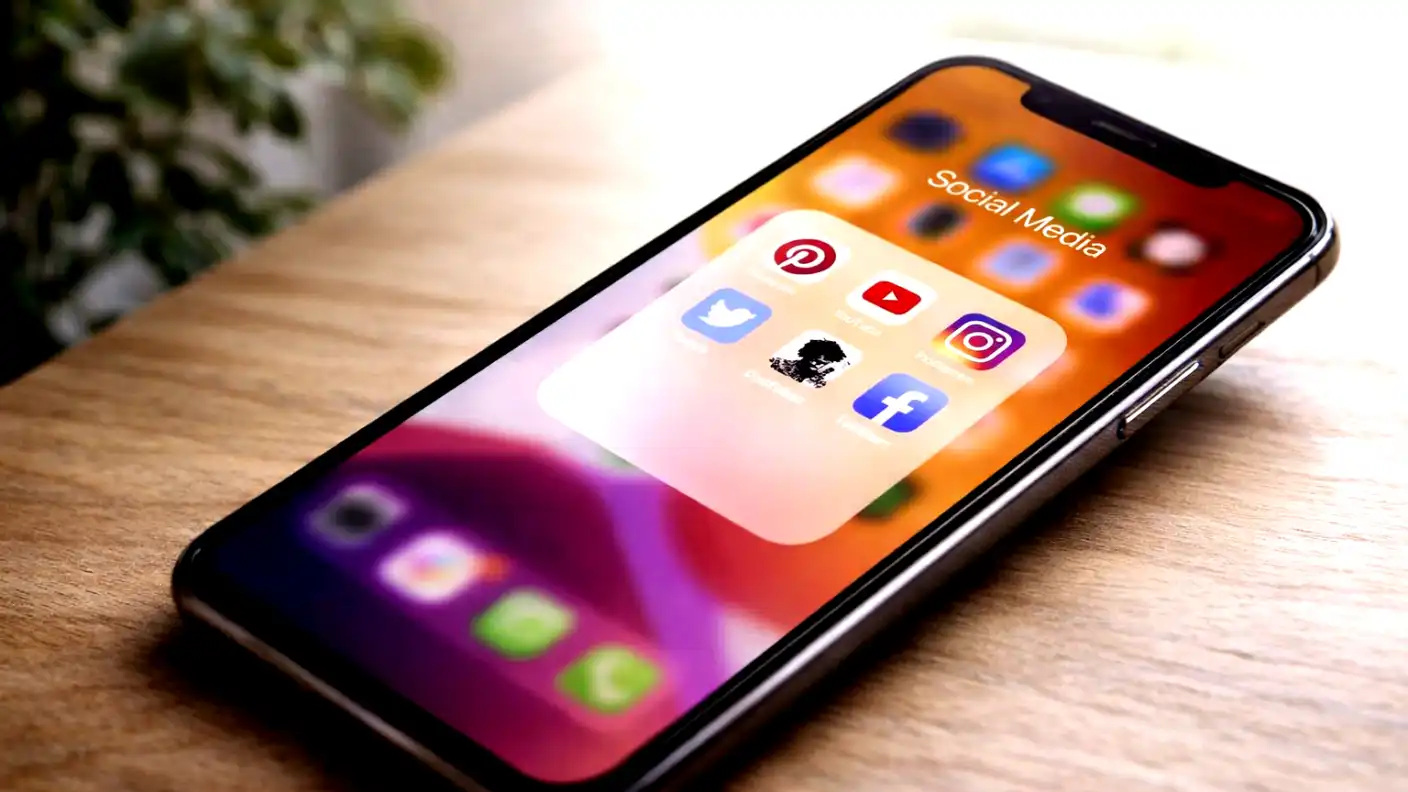
Late last December, the Australian government made global history. Officials passed a highly controversial law that banned children under 16 from accessing social media. This bold move marked the very first time a Western government severely restricted digital platforms for teenagers. Leaders in other countries, including Denmark, watched the situation closely. They wanted to see if they should introduce similar restrictions for their own youth.
However, brand new research threatens to destroy this legislative blueprint. A first-of-its-kind study examined how young teenagers actually use social media under the strict ban. The results raise serious questions about whether these government mandates work at all. The data show that 61 percent of Australian 12- to 15-year-olds who previously had social media accounts still access at least one platform today.
The Molly Rose Foundation, a prominent online safety charity, conducted the research in partnership with YouthInsight. The groups warn that implementing a similar ban in the United Kingdom would represent a massive high-stakes gamble with the safety of children. Instead of protecting youth, the poorly enforced ban simply pushes their digital lives into the shadows.
The social media ban creates a bizarre maturity paradox that defies basic political logic. Several prominent leaders actively push to lower the national voting age to 16. United Kingdom Prime Minister Keir Starmer and members of the Australian Greens party present teenagers as ready for serious adult responsibilities. Yet, this new digital ban treats the same age group as too fragile and immature to hold an Instagram or X account.
This double standard frustrates teenagers and political observers alike. Western governments argue that 16-year-olds possess the maturity to help choose national leaders. In Australia, a 16-year-old can legally drive a potentially lethal vehicle on a busy highway. They hold jobs and pay taxes directly to the government. They can legally consent to complex medical procedures and, in most states, legally have sex. Yet, lawmakers claim these young adults lack the mental resilience to navigate a basic social media timeline.
The contradiction harms the civic engagement of young voters. Today, the vast majority of Australian youth get their daily news and political information almost entirely from digital platforms. By abruptly cutting off these specific channels, the government created a massive civic information vacuum. Politicians severed the primary communication line to the very same group of young activists they claim are ready to shape the nation’s future.
Critics of the voting age reduction argue that the government’s own protectionist logic reinforces the case for keeping 18 as the minimum voting age. If lawmakers do not trust teenagers with a basic smartphone application, society can hardly argue they are ready for the ballot box.
The logic behind this digital ban contains just as many holes as the technology used to enforce it. Tech-savvy teens easily bypass these new restrictions every single day. Young users quickly download virtual private networks to mask their locations. Others use digital workarounds, such as logging into accounts created by their parents. These simple tricks highlight the severe practical limitations of top-down government enforcement.
Opponents call the law a classic nanny-state mandate. They argue the government is attempting to outsource basic parenting duties directly to the eSafety Commissioner. Lawmakers handed a massive bureaucratic agency the impossible task of policing the internet habits of millions of teenagers. Instead of protecting kids, the sweeping ban risks pushing teen social media use completely underground. When lawmakers block popular mainstream applications, teenagers often shift to darker, less-regulated platforms. Ironically, this clumsy legislative move exposes young people to far more extreme and dangerous content that moderators rarely check.
This underground shift makes the actual job of parenting much harder. When teens hide their digital activity to avoid being caught breaking the law, parents and teachers lose the ability to have open, honest conversations about safe online behavior. Families need total transparency to help kids navigate modern digital threats. If a teenager encounters cyberbullying or inappropriate material on a hidden platform, they will likely stay silent out of fear that adults will punish them for bypassing the ban.
Experts suggest a much different approach. Instead of writing unworkable laws, governments should focus on empowering parents to guide their children through the digital world. Mothers and fathers remain the best people to handle the difficult job of setting household boundaries. Families, not politicians sitting in a capital city, must decide when a teenager is ready to join the online community.