Key Points:
- The United Arab Emirates secured a major trade agreement with South Korea just one day after exiting OPEC.
- The new partnership removes or reduces tariffs on 91.2% of physical goods traded between the two nations.
- Non-oil trade between the two countries hit $6.9 billion in 2025, setting a strong foundation for future growth.
- Qatar also sent a business delegation to Seoul to negotiate deals involving artificial intelligence and semiconductors.
The United Arab Emirates signed a landmark trade agreement with South Korea this week. This historic deal arrived exactly one day after the Gulf nation officially withdrew from the OPEC oil cartel. The timing of this decision signals a massive shift in global economic strategy. Gulf states are aggressively seeking to build a permanent, structured trade corridor that directly connects the Middle East with hungry Asian markets. By stepping away from the traditional oil group, the nation clearly shows it prioritizes diverse global trade over simple crude oil exports.
South Korea achieved a major diplomatic milestone with this exact deal. The Asian powerhouse has never signed a trade pact with any country inside the Gulf Cooperation Council before today. This agreement also marks their first major partnership within the wider Middle East and North Africa region. Global supply chains face constant disruptions right now, and shifting geopolitical alliances force countries to rethink how they conduct daily business. South Korea quickly recognized the urgent need to secure strong, reliable economic partners in the wealthy Gulf region.
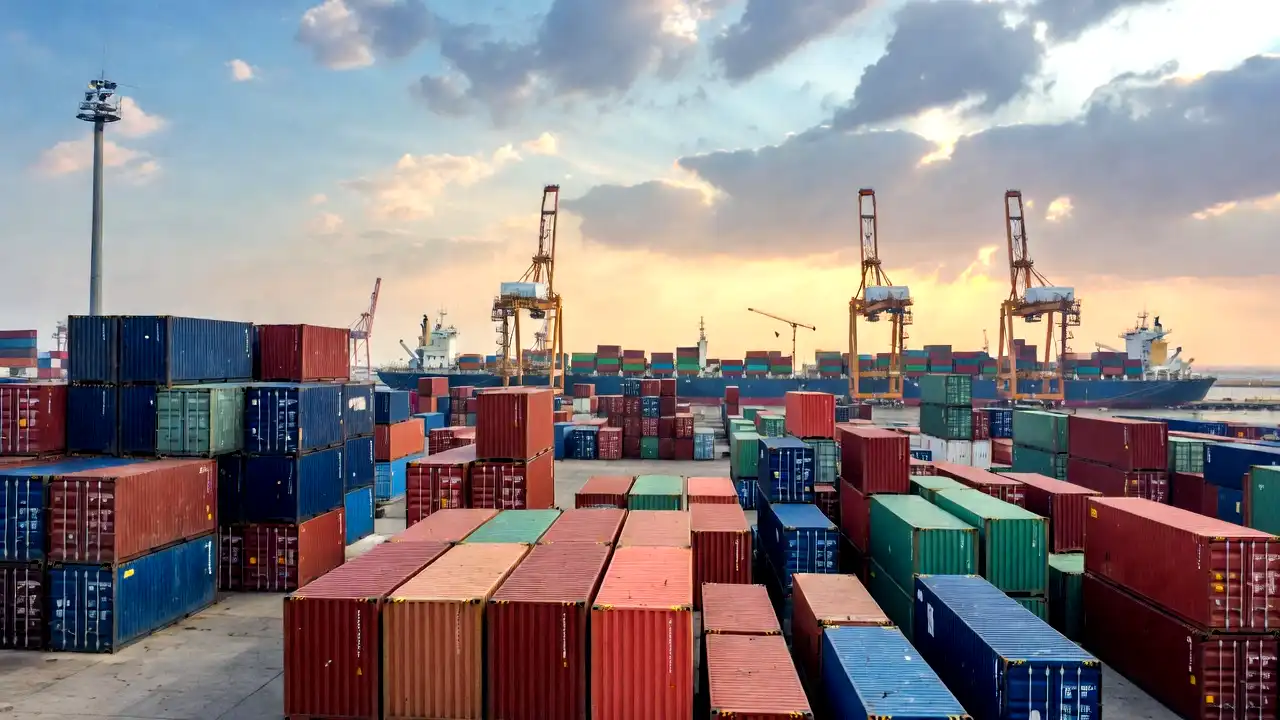
Government officials call this new arrangement a Comprehensive Economic Partnership Agreement. The legal framework aggressively cuts costs for businesses operating on both sides of the new partnership. The treaty specifically eliminates or heavily reduces import tariffs on 91.2% of all physical goods traded between the two countries. This massive tax cut makes it incredibly easy for companies to enter foreign markets, sell their products across borders, and boost their annual profit margins.
The current financial numbers already demonstrate a highly profitable relationship between the two nations. In 2025, non-oil trade between the United Arab Emirates and South Korea reached a record $6.9 billion. Government officials on both sides expect this number to climb significantly in the near future. Since the heavy trade taxes no longer exist, local factories and technology firms can freely exchange goods. Both nations actively want to depend less on crude oil and focus their energy on trading actual consumer goods and digital services.
Thani bin Ahmed Al Zeyoudi serves as the Minister of Foreign Trade for the United Arab Emirates. He strongly praised the new partnership and outlined its future financial benefits for local workers. He stated that the agreement will immediately create lucrative opportunities for exporters seeking to expand their global reach. He specifically highlighted ambitious plans to strengthen cooperation in advanced technology, heavy manufacturing, and global shipping logistics.
Exiting OPEC gave the United Arab Emirates the ultimate freedom to pursue these independent economic strategies. Without the strict rules and production quotas imposed by the oil cartel, the country can quickly negotiate deals that benefit its long-term survival. National leaders desperately want to modernize their local economy. They realize that Asian technology giants hold the actual keys to that bright future. They need South Korean microchips and hardware just as much as South Korea needs Middle Eastern capital.
Meanwhile, Qatar refuses to sit back and watch its neighbor dominate the lucrative Asian market. The wealthy nation actively stepped up its own engagement with South Korea over the last few days. This simultaneous push sends a very clear and powerful signal to the rest of the world. Seoul desperately wants to secure strong economic ties with the entire Gulf region, and the Gulf states eagerly welcome the financial attention from the East.
Ahmed bin Mohammed Al Sayed works as the Minister of State for Foreign Trade in Qatar. He personally led a massive business delegation straight to Seoul this week. He met directly with top government officials and powerful corporate executives to discuss new trade and investment opportunities. Qatar wants to ensure it secures a prime spot in the booming Asian economy before rival nations secure all the best deals.
The Qatari delegation focused its intense talks on several highly advanced industries. They discussed investing billions of dollars into artificial intelligence research and semiconductor manufacturing. The officials also explored deep partnerships involving biotechnology and advanced manufacturing facilities. Qatar knows perfectly well that crude oil and natural gas will not power its local economy forever. Therefore, they want to buy directly into tomorrow’s technologies.
These aggressive moves by both the United Arab Emirates and Qatar prove that the global economic center of gravity continues to move rapidly toward the East. Traditional Western markets no longer offer the explosive growth that Gulf nations demand. By tearing down old trade barriers and embracing Asian technology hubs, these Middle Eastern countries ensure their sovereign wealth will continue to grow long after the oil wells finally run dry. The new trade corridor between the Gulf and Asia will likely dictate global commerce for decades to come.