
In modern business, where digital transformation has become synonymous with success, Software-as-a-Service (SaaS) has emerged as a pivotal enabler of streamlined operations and enhanced efficiency. The Software-as-a-Service market has witnessed a remarkable surge in growth, driven by the convergence of technological advancements, shifting user preferences, and a quest for simplified software delivery.
Software-as-a-Service Market Analysis
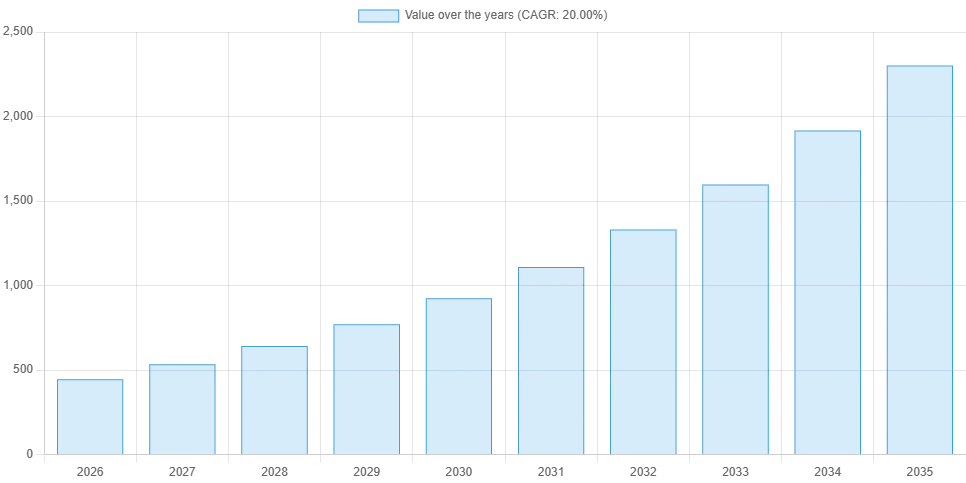
The Techgolly market research team’s preliminary estimate is that the global Software-as-a-Service market was valued at USD 446 billion in 2026 and is projected to reach USD 2,301.26 billion by 2035. Growth will continue at a compound annual growth rate (CAGR) of 18% to 20% from 2026 to 2035.
Reasons for Software-as-a-Service Market Growth
From its accessibility and cost-effectiveness to its seamless updates and scalability, SaaS offers compelling incentives that have redefined how organizations leverage software solutions. In the following sections, we dissect the pivotal drivers that have fueled the growth of the Software-as-a-Service market.
Accessibility and Convenience
Central to the growth of the Software-as-a-Service market is its accessibility. SaaS applications are accessed via the Internet, eliminating the need for complex installations and maintenance. Users can conveniently access software from various devices, empowering remote work and enhancing collaboration.
Cost Efficiency and Predictable Billing
The cost efficiency of SaaS models has resonated with businesses seeking to optimize IT budgets. The subscription-based payment structure replaces upfront costs with predictable monthly or annual fees, reducing the financial strain associated with traditional software purchases.
Rapid Deployment and Time-to-Value
SaaS applications can be deployed rapidly, enabling businesses to use software functionality almost immediately. This quick time-to-value is particularly advantageous in industries where agility and responsiveness are critical.
Automatic Updates and Maintenance
SaaS providers handle software updates and maintenance, relieving organizations of the burden of managing patches and upgrades. It ensures users can access the latest features and security enhancements without manual interventions.
Scalability and Flexibility
The scalability of SaaS solutions allows businesses to align software usage with their growth trajectory. As an organization expands, it can quickly scale the number of licenses or features, accommodating changing needs without disruptions.
Innovation and Integration
SaaS applications are frequently updated with new features and innovations, promoting continuous improvement. Many SaaS offerings seamlessly integrate with other cloud-based services, fostering an ecosystem of interconnected tools.
Global Accessibility and Collaboration
SaaS applications are accessible from anywhere with an internet connection, supporting remote work and global collaboration. This accessibility promotes teamwork across geographical boundaries, enhancing productivity and diversity of perspectives.
Lower Total Cost of Ownership (TCO)
Beyond subscription costs, the total cost of ownership for SaaS solutions is often lower due to reduced IT infrastructure requirements, decreased maintenance efforts, and the elimination of costly upgrade cycles.
Reduced IT Complexity
SaaS eliminates the need for businesses to manage on-premises hardware and software installations. This reduction in IT complexity allows organizations to focus their resources on strategic initiatives rather than routine maintenance.
Enhanced User Experience
SaaS providers often prioritize user experience, designing intuitive interfaces and user-friendly features. This focus on usability contributes to higher adoption rates and user satisfaction.
Key Market Players
The major vendors offering Software-as-a-Service (SaaS) are Microsoft Corporation, Salesforce.com, Inc., Oracle Corporation, SAP SE, Google LLC, ServiceNow, Adobe Inc., Accenture plc., International Business Machines Corporation, and Cisco Systems, Inc.