Key Points:
- China’s total electric vehicle charging network grew 47.4 percent year-on-year to reach 21.96 million facilities by the end of April 2026.
- Public charging stations accounted for 4.91 million of the total, showing a 29.6 percent increase over the past year.
- The collective charging capacity of these public installations hit 237 million kilowatts.
- A three-year action plan launched in October 2025 aims to install 28 million charging facilities by the end of 2027.
China is rapidly expanding its electric vehicle charging network to support the millions of clean-energy cars hitting the road each year. Official data released on Thursday show that the country’s ongoing efforts to upgrade its transportation infrastructure have led to a massive surge in charging installations.
By the end of April 2026, the nationwide tally of charging facilities climbed to 21.96 million. This figure represents a 47.4 percent jump compared to the same period last year, according to the latest release from the National Energy Administration. The rapid rollout matches the relentless consumer demand for battery-powered cars in both urban and rural areas.
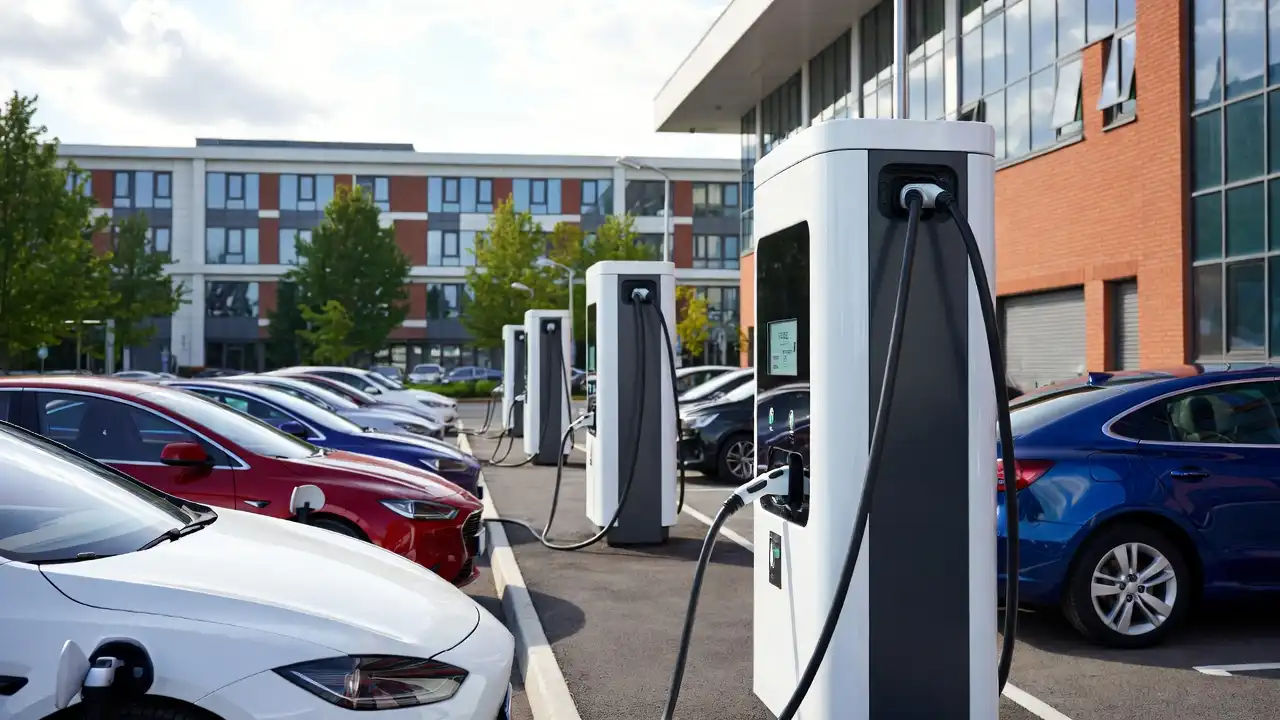
Public charging infrastructure makes up a vital segment of this massive green network. The National Energy Administration reported that public charging stations grew to 4.91 million by the end of April, a 29.6 percent year-on-year increase. These stations ensure that drivers without private garages can still easily recharge their vehicles during daily commutes.
In addition to numerical growth, the sheer power of the public charging network has grown significantly. The combined charging capacity of these public installations hit 237 million kilowatts. This massive electrical capacity allows the grid to handle rapid-charging demands from millions of drivers simultaneously, helping to reduce long queues at major highway service stations.
A comprehensive government strategy drives the sudden acceleration in construction. In October 2025, Beijing authorities unveiled an ambitious three-year action plan to modernize the nation’s electric vehicle support network. The roadmap outlines a clear pathway to establish a dense, reliable, and accessible charging grid across all provinces.
Under the current action plan, China intends to expand its nationwide network of charging facilities to 28 million by the end of 2027. The government also expects the total capacity of public charging stations to exceed 300 million kilowatt-hours by that same deadline. This target will help the country accommodate the next wave of electric passenger cars and commercial trucks.
While public charging stations often dominate the headlines, private home chargers actually make up the vast majority of China’s charging infrastructure. Millions of apartment dwellers and homeowners have installed personal charging wallboxes in their residential parking spots. This trend has significantly reduced the pressure on public utility grids, allowing drivers to charge their vehicles overnight using cheaper residential electricity rates.
Such a massive expansion of electrical infrastructure does not come without challenges. State-run grid operators must coordinate carefully with municipal planners to ensure that thousands of high-power charging piles do not overload local electricity grids. To solve this, Chinese utility companies are actively testing smart charging systems that automatically adjust charging speeds based on real-time electricity demand.
To maintain the momentum, the government has shifted its focus from major coastal metropolises to smaller inland cities and rural areas. Historically, rural drivers hesitated to purchase electric vehicles due to a lack of nearby charging stations. The new three-year plan addresses this directly by funding the installation of charging stations along provincial highways and in rural townships.
By building an extensive charging network, China is solidifying its position as the global leader in the transition to clean transportation. This proactive infrastructure strategy ensures that the physical network keeps pace with the automotive manufacturing sector, giving consumers the confidence to replace their fossil-fuel vehicles.