Key Points:
- Alphabet’s autonomous vehicle division, Waymo, is accelerating its Waymo Australian Expansion Plan, aiming to launch commercial driverless taxis as early as this year.
- Waymo is partnering with Chinese automotive giant Geely to deploy futuristic, custom-built Zeekr electric cabins that lack traditional steering wheels and pedals.
- Company executives have initiated active lobbying with Federal Transport Minister Catherine King to secure critical Road Vehicle Standards approvals.
- If successful, Australia will become Waymo’s fourth international commercial market, joining its active operations in the United States, Japan, and the United Kingdom.
The global race to commercialize autonomous passenger transport is rapidly expanding its borders, bringing the future of driverless mobility directly to the southern hemisphere. According to government documents recently released under freedom of information laws, Alphabet Inc.’s autonomous vehicle division, Waymo, is actively accelerating its Waymo Australian Expansion Plan. The Silicon Valley-based pioneer plans to introduce its fully driverless robotaxi services to Australian metropolitan areas as early as this year. This strategic move represents a major milestone for the “autonomy economy” in 2026, marking the first time a major U.S. self-driving operator has actively petitioned regulators in the Southern Hemisphere for commercial testing and deployment permits.
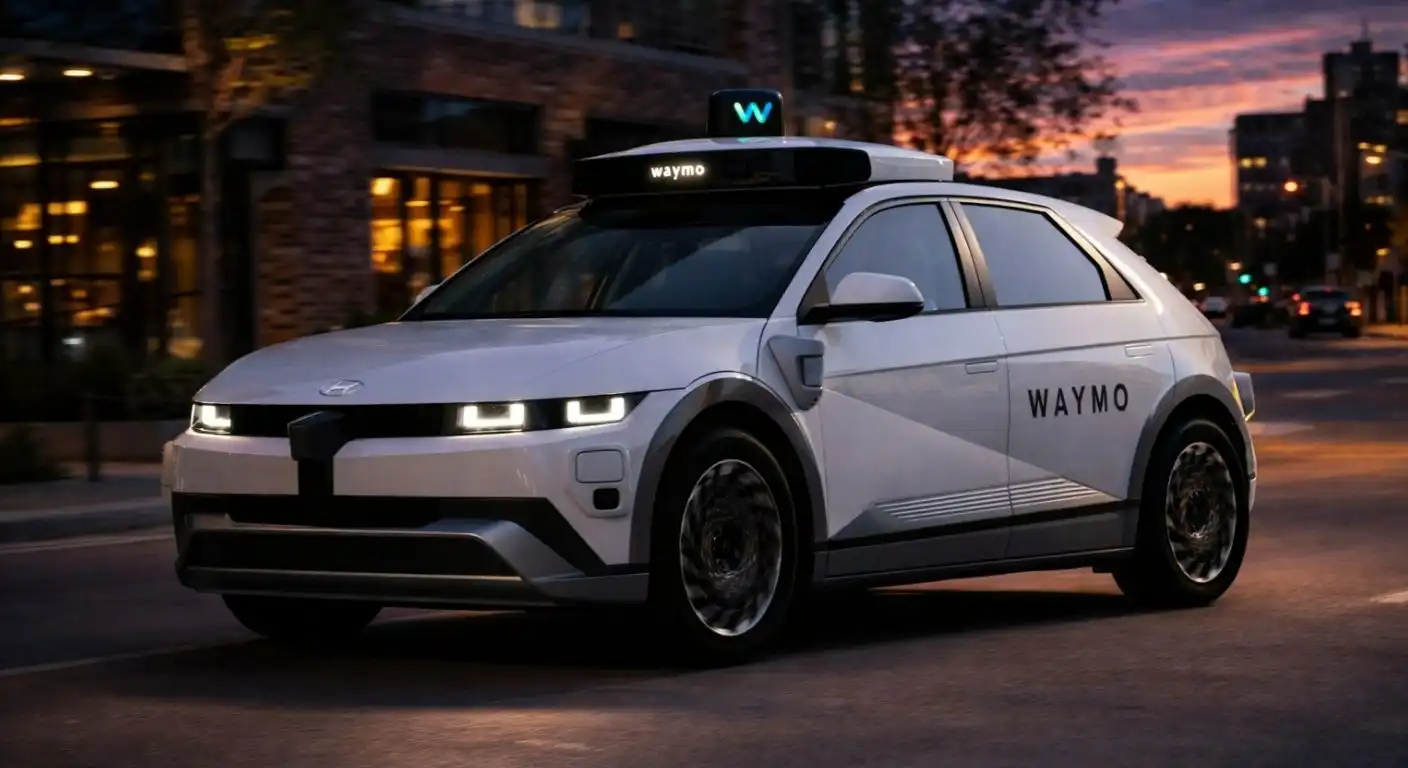
To bypass the high costs and logistical headaches of traditional vehicle retrofitting, the company is executing its international expansion through a highly unique corporate partnership. Instead of deploying modified consumer SUVs, the company has partnered with Chinese automotive giant Geely and its premium electric brand, Zeekr. The dual-company effort will deploy a fleet of futuristic, custom-built Zeekr electric capsules designed specifically for autonomous ride-hailing. These avant-garde vehicles completely abandon the traditional driving cockpit, eliminating the steering wheel, accelerator, and brake pedals to provide passengers with an exceptionally spacious, living-room-like interior optimized entirely for quiet travel and digital productivity.
Bringing these futuristic, steering-wheel-free vehicles to Australian public roads, however, requires navigating an incredibly complex web of federal and state-level safety regulations. Documents show that Waymo’s head of international government affairs, Dmitri Ivanov, initiated high-level lobbying efforts by writing directly to Australian Federal Minister for Infrastructure and Transport Catherine King. In his correspondence, Ivanov requested a confidential briefing with federal ministers to present Waymo’s 2026 deployment roadmap formally. Meanwhile, state-level transport officials, including John Makin of Transport for New South Wales, have coordinated closely with Waymo to guide the company through the nation’s strict Road Vehicle Standards (RVS) approval process.
If Waymo successfully secures these federal and state-level regulatory approvals, Australia will officially become the fourth country in the world to host the company’s commercial robotaxi operations. The expansion follows Waymo’s highly successful deployments in the United States, Japan, and the United Kingdom, cementing its position as the undisputed leader of the global driverless mobility market. Unlike rival startups that continue to rely on speculative laboratory simulations, Waymo is expanding through raw, real-world data collection, having recently surpassed a massive milestone of 1 million fully autonomous freeway miles across its diverse operations.
The sheer scale of Waymo’s existing operations demonstrates the mature nature of its autonomous driving systems. As of March 2026, the company operates public, commercial robotaxi services in 10 major U.S. metropolitan areas, including San Francisco, Phoenix, Los Angeles, and Austin. The firm currently manages a highly active fleet of over 3,700 robotaxis, providing more than 500,000 paid rides to customers every single week. While the initial Australian deployment represents only 1.5% of Waymo’s total global fleet size, the underlying data reservoir is immense. Having logged over 200 million fully autonomous miles since its founding as the Google Self-Driving Car Project, Waymo possesses an unmatched data reservoir to validate the safety and reliability of its algorithms before entering the Australian market.
The prospect of bringing autonomous vehicles to Australian roads has also triggered significant academic and urban planning research. A major, two-part study recently released by RMIT University and funded by the iMove Co-operative Research Center warned regulators that they must establish clear, robust road rules for robotaxis before the technology takes off. The comprehensive research found that if governments implement effective policy frameworks, autonomous vehicles can deliver substantial environmental benefits, potentially cutting passenger transport fuel consumption and greenhouse gas emissions by up to 15% through more efficient, automated driving and optimized routing.
However, the RMIT study also highlighted the significant risks of unmonitored autonomous deployment. If regulators fail to establish strict operational boundaries, the convenience of cheap, driverless rides could backfire spectacularly. Without proper policy settings, robotaxis could discourage the use of public transport, encourage urban sprawl, and significantly increase city-wide traffic congestion by putting millions of empty “ghost miles” on the road as empty vehicles circle blocks to avoid parking fees. The researchers urged state road authorities to update their long-term planning frameworks, including Transport for New South Wales’s Connected and Automated Vehicle Readiness Strategy, to address these urban design challenges proactively.
Waymo’s proposed entry comes as Australia’s local transport authorities become increasingly familiar with autonomous vehicle technology. Over the past three years, Transport for New South Wales has conducted active, localized testing of driverless systems at its specialized Future Mobility Testing Center in Cudal, including evaluation of a fully autonomous Renault Zoe2 on public regional roads. Furthermore, in late 2021, the state government partnered with Hyundai-backed autonomous pioneer Motional to trial self-driving Ioniq 5 robotaxis. This existing regulatory and testing familiarity means that local authorities are highly prepared to evaluate Waymo’s advanced systems when the company submits its formal import applications.
Ultimately, the acceleration of the Waymo Australian Expansion Plan represents a major turning page for the global transit ecosystem. By partnering with Geely to deploy steering-wheel-free Zeekr cabins and actively lobbying federal transport ministers, the Alphabet-owned pioneer is demonstrating its determination to lead the global transition to driverless mobility. While local regulatory approvals and complex road rules present real hurdles, the proven safety data of Waymo’s 200-million-mile history offers a highly compelling case to Australian policymakers. As the company prepares its formal filings, the coming months will reveal whether Australia is ready to embrace the future of transport, transforming its public roads into a highly efficient, automated utility.