
Key Points:
- Italgas S.p.A. has renewed a critical partnership with Tokyo Gas Network Co. to integrate advanced seismic monitoring technology into Italy’s energy grid.
- The collaboration deploys automated sensors to detect early signs of earthquakes, enabling the system to shut down gas networks instantly and prevent disasters.
- Italgas plans to reciprocate by sharing its expertise in digitalization and biomethane integration to support Tokyo Gas Network’s decarbonization goals.
- Despite rising gas prices from the 2026 Middle East conflict, CEO Paolo Gallo stated that Europe’s post-2022 infrastructure investments have built a highly resilient grid.
European energy infrastructure is undergoing a major technological upgrade designed to secure public safety during catastrophic natural disasters. During a recent diplomatic and business trip to Japan, Paolo Gallo, the Chief Executive Officer of leading European gas distributor Italgas S.p.A., announced a major expansion of his company’s bilateral partnership with Tokyo Gas Network Co. In May 2026, the two corporate giants officially renewed a strategic memorandum of agreement, first signed in 2023, to exchange vital engineering know-how, accelerate digital transformation, and integrate advanced seismic monitoring systems into Italy’s vulnerable municipal gas networks.
Both Italy and Japan share a long, devastating history of tectonic instability, making structural resilience a non-negotiable requirement for their public utilities. In Italy, where active fault lines place millions of historic homes and industrial zones at risk of sudden tremors, a single un-isolated gas leak during an earthquake can easily ignite catastrophic urban fires. To mitigate this danger, Italgas is actively testing a highly automated safety system in several highly vulnerable regions of the country. The system utilizes advanced, localized sensors designed to detect the earliest seismic pressure waves of an impending earthquake, automatically triggering a series of remote-controlled valves to isolate and shut down the gas network before the destructive surface waves arrive. While these automated safety sensors currently account for roughly 1.5% of Italgas’s total annual capital expenditure, the real-world safety benefits are immense.
To perfect this automated shutdown system, Italgas is drawing directly on the decades of real-world operational experience built up by its Japanese partner. Tokyo Gas Network operates what global safety experts regard as one of the most detailed, high-performance seismic monitoring systems in the world, featuring thousands of specialized intelligent sensors spread across the earthquake-prone Kanto plain. “Through international collaboration and partnership, we can exchange the best competence, the best practice among ourselves, and be able to provide our infrastructure with the best solution,” Gallo remarked during his Tokyo interview, emphasizing that copying Japan’s proven real-time monitoring technology delivers immense, life-saving value to European consumers.
While Tokyo Gas Network supplies its world-leading safety tech, Italgas is preparing to reciprocate by sharing its advanced expertise in digital grid management and green gas integration. The European Union has set highly ambitious decarbonization goals under its green transition framework, prompting Italy to expand its production of renewable biomethane rapidly. Biomethane, produced locally from organic agricultural and municipal waste, offers a highly sustainable, carbon-neutral alternative to traditional fossil gas. To successfully inject this green fuel into existing pipelines, however, utilities must invest heavily in full digitalization to monitor the real-time flow of different gas mixtures and significantly reduce the physical connection costs.
This massive technological modernization is occurring as European energy markets navigate another period of high geopolitical volatility. The outbreak of military conflict in the Middle East in late February 2026 has once again driven up international fuel costs, causing a sudden spike in wholesale gas prices. However, Gallo—who has led Italgas for more than a decade since assuming the CEO role in 2016—remained remarkably calm regarding the current pricing pressure. He pointed out that while European countries are experiencing a temporary rise in gas prices, the current market impact is nowhere near as severe as the catastrophic energy crisis that gripped the continent in 2022 following Russia’s full-scale invasion of Ukraine.
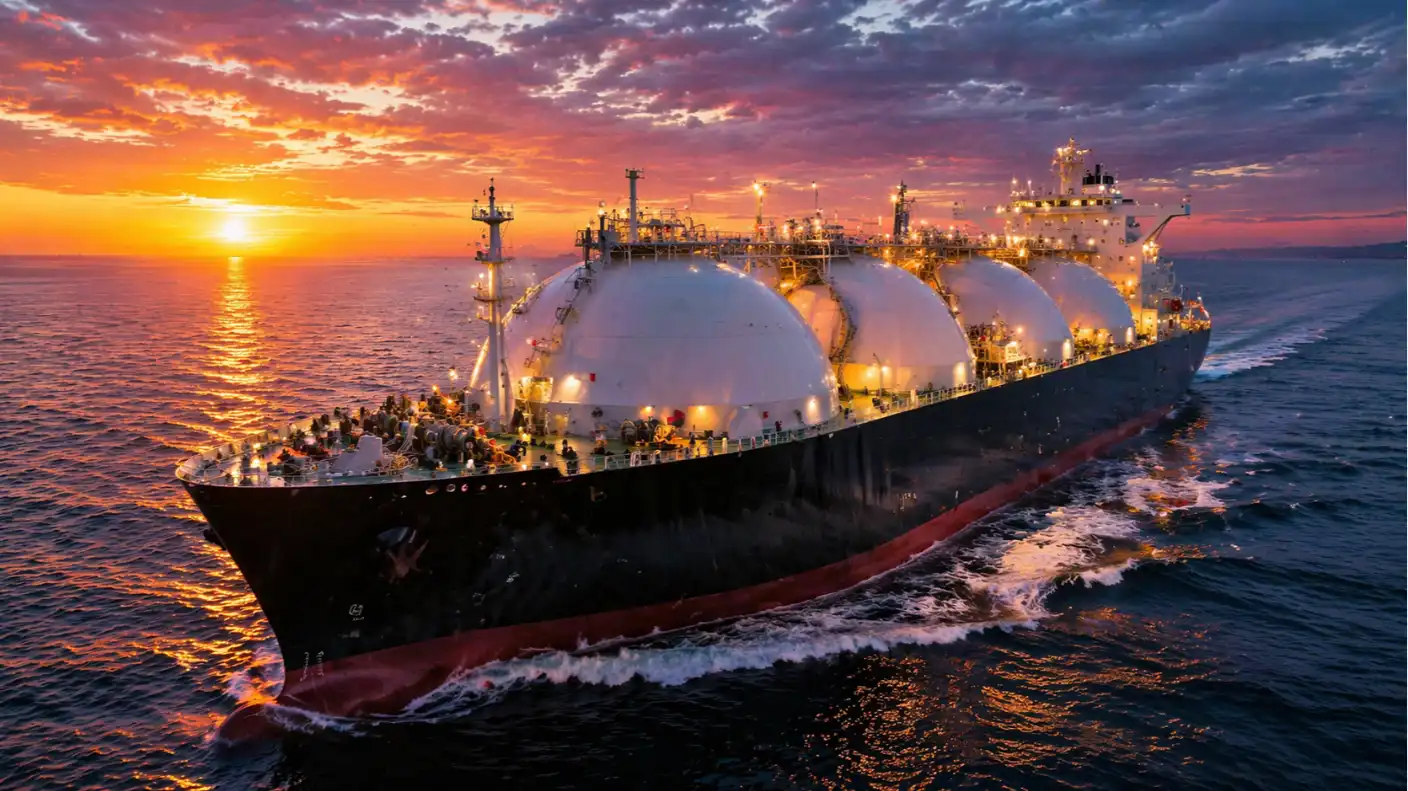
The reason Europe is successfully weathering the current Middle East energy shock lies in the extensive, multi-billion-euro infrastructure investments made over the past four years. Following the sudden loss of cheap Russian pipeline gas in 2022, European countries worked at an unprecedented pace to build a more resilient and redundant energy grid. Governments installed dozens of specialized liquefied natural gas (LNG) import terminals, expanded regional pipeline interconnectors, and significantly increased national gas storage capacities. “Because in the meantime, we have been able to structure a more resilient, more redundant infrastructure that is helping us to be more flexible,” Gallo explained, predicting that global gas prices will quickly return to pre-crisis levels once the current Middle East war reaches a diplomatic resolution.
This systemic resilience is tightly bound to the ongoing digitalization of the physical grid, a core focus of the renewed Italgas-Tokyo Gas agreement. Modern, digitized gas networks do more than just transport fuel; they function as intelligent, bi-directional energy routers. By embedding smart sensors, automated pressure valves, and real-time monitoring software across its entire pipeline network, Italgas can dynamically reroute gas flows to bypass damaged sections, handle fluctuations in supply from renewable biomethane plants, and automatically isolate localized blocks during maintenance or emergency operations, reducing physical labor costs and minimizing waste.
This focus on digital transformation has also made the utility sector an increasingly attractive market for advanced technology providers. The high-precision sensors, IoT communication modules, and automated valve actuators required to run a digitized gas grid rely heavily on the global semiconductor supply chain. While the tech world is currently focused on securing high-end chips for artificial intelligence and supercomputing, industrial automation and critical infrastructure operators are competing for their own share of reliable silicon. By securing long-term, high-volume hardware contracts with international manufacturers, Italgas is ensuring that its physical grid modernization remains on schedule despite global microchip shortages.
Ultimately, the collaborative partnership between Italgas and Tokyo Gas Network highlights how international cooperation can successfully solve the dual challenges of public safety and environmental sustainability. By importing Japan’s world-leading seismic monitoring technology and exporting its own advanced digital biomethane integration systems, Italgas is building a highly resilient, future-proof energy network. As the company continues to test its new automated safety sensors across earthquake-prone regions of Italy and Greece, the successful execution of this project will serve as a vital blueprint for the global utility sector, proving that in a highly volatile world, the ultimate competitive advantage lies in building safe, smart, and fully connected infrastructure.