Key Points:
- The Nikkei 225 surged by nearly 5 percent, closing above 69,000 for the first time in history.
- The historic stock rally followed news of a memorandum of understanding to end the U.S.-Iran war.
- Crude oil prices plunged toward $80 per barrel on expectations of a reopened Strait of Hormuz.
- Tech heavyweights performed exceptionally well, supported by SpaceX’s massive Nasdaq listing.
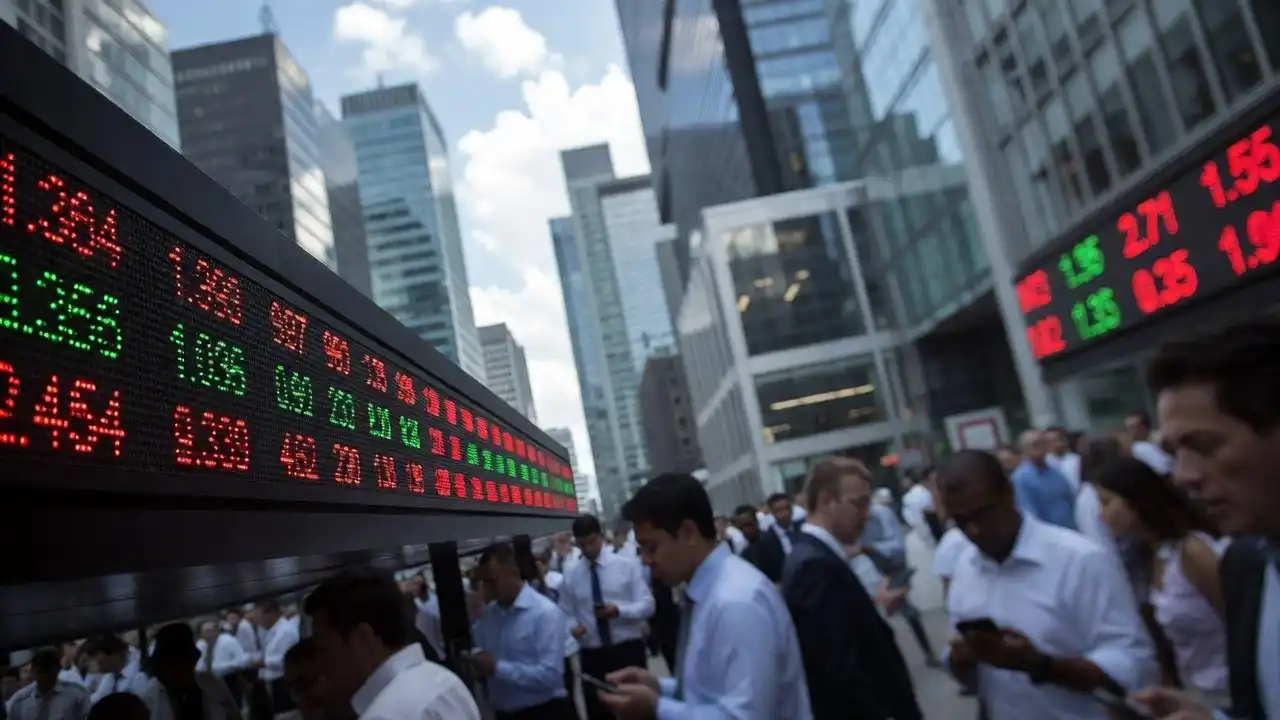
Tokyo Stocks Surge to unprecedented heights, pushing the benchmark Nikkei 225 index above the historic 69,000 milestone for the first time in history at the start of the week. This explosive, near-record rally followed a major breakthrough in international diplomacy, as both the United States and Iran announced that they have formally agreed on a memorandum of understanding (MoU) to end their monthslong military conflict. The prospect of peace in the Middle East has unleashed a massive wave of global risk-on sentiment, completely rewriting market expectations for energy costs, inflation, and corporate profitability.
The Nikkei Stock Average ended the session up a staggering 3,297.46 points, or 4.99%, to close at a record-high 69,317.50. This massive gain represents the second-largest single-session rise on a closing basis in the index’s history. During highly volatile morning trading, the benchmark index extended its gains briefly by 3,662.19 points—marking the largest-ever intraday rise on record—to touch a peak of 69,682.23. The broader Topix index also posted stellar gains, finishing 117.64 points, or 3.03%, higher at 3,999.60, after touching an all-time intraday high of 4,032.39.
The catalyst for this global market turnaround was an early morning social media post by U.S. President Donald Trump, who declared that negotiators had completed the core framework of a peace agreement to resolve the Middle East crisis. Iranian state officials subsequently acknowledged the development, confirming that both sides intend to sign the formal, binding treaty as early as June 19. The prospect of an immediate end to the military conflict has significantly eased concerns over global shipping lanes, paving the way for the complete reopening of the Strait of Hormuz to commercial shipping.
This anticipated return to normal trade flows has triggered an immediate collapse in global energy prices. Benchmark West Texas Intermediate (WTI) crude oil futures fell sharply to trade around $80 per barrel, representing a welcome retreat from the high-inflation price spikes recorded during the height of the shipping blockade. Because Japan imports nearly all of its energy, falling fuel costs are expected to significantly ease domestic manufacturing expenses and corporate overhead. Reflecting these lower inflation expectations, the yield on the benchmark 10-year Japanese government bond fell by 0.060 percentage points to settle at 2.575%.
This relief from high fuel and material costs triggered a broad-based rally across cyclical and rate-sensitive sectors on the top-tier Prime Market. Air transportation issues led the market gains, as airlines anticipated immediate, massive relief from skyrocketing jet fuel expenses. Metal products and construction companies also posted significant gains, as investors bet that lower shipping costs and stable global supply chains would lower the import prices of raw industrial metals and timber, boosting corporate profit margins for the upcoming quarters.
Heavyweight technology shares also performed exceptionally well, supported by a powerful rally among their U.S. counterparts late last week. Market sentiment in the tech sector received a massive boost from the historic public debut of aerospace giant SpaceX on the Nasdaq Global Select Market under the ticker symbol SPCX. The record-breaking listing, which successfully raised $75 billion, re-energized global technology valuations and triggered a wave of institutional buying. This positive momentum flowed directly into Japanese chipmaking and electronic component manufacturers, who view SpaceX’s Starlink and satellite networks as major, high-volume hardware customers.
In the currency markets, the U.S. dollar traded within a tight horizontal range around the critical 160 yen line in Tokyo. At 5 p.m. local time, the dollar fetched 160.12-13 yen, remaining relatively stable compared to its late-Friday New York levels. Meanwhile, the euro was quoted at $1.1605-1607 and 185.83-87 yen. Currency traders remained highly cautious and chose to stay on the sidelines ahead of critical monetary policy meetings scheduled this week by both the Bank of Japan (BOJ) and the U.S. Federal Reserve, which will determine the long-term yield differentials between the two major economies.
While the market opened with explosive, unprecedented momentum, the index trimmed some of its earlier gains during the afternoon session as some investors chose to lock in profits. This cautious mood prevailed as market participants prepared for the outcome of the Bank of Japan’s upcoming policy meeting on Tuesday and a subsequent press conference by Deputy Governor Shinichi Uchida. Equity strategists at IwaiCosmo Securities noted that nobody had expected such a massive, sudden surge, prompting a wait-and-see mood as the initial euphoria settled.
The historic 69,000 milestone demonstrates that the Tokyo stock market remains highly sensitive to global geopolitical developments and energy supply chains. As Nomura Securities strategists pointed out, because the Middle East situation has gone through numerous twists and turns, investors must continue to pay close attention to political developments until both nations officially sign the peace agreement on June 19. If the diplomatic accord proceeds without further disruption, the stabilization of global trade and fuel costs will likely support a sustained, long-term upward trajectory for Japanese corporations and the broader global tech ecosystem.