Key Points:
- The Artemis II crew will break the Apollo 13 record for the farthest human travel from Earth.
- Astronauts spent the weekend testing manual controls and checking emergency space suits.
- The Orion spacecraft will fly just 4,066 miles above the lunar surface at 7:02 PM ET.
- The crew will witness a unique solar eclipse as the Moon blocks the Sun for an hour.
The Artemis II crew is finally closing in on the Moon. After a busy weekend of work, the four astronauts are ready for their big flyby this Monday, April 6. They spent the last few days testing out manual flight controls and checking their emergency space suits to make sure everything is perfect before they reach the lunar vicinity.
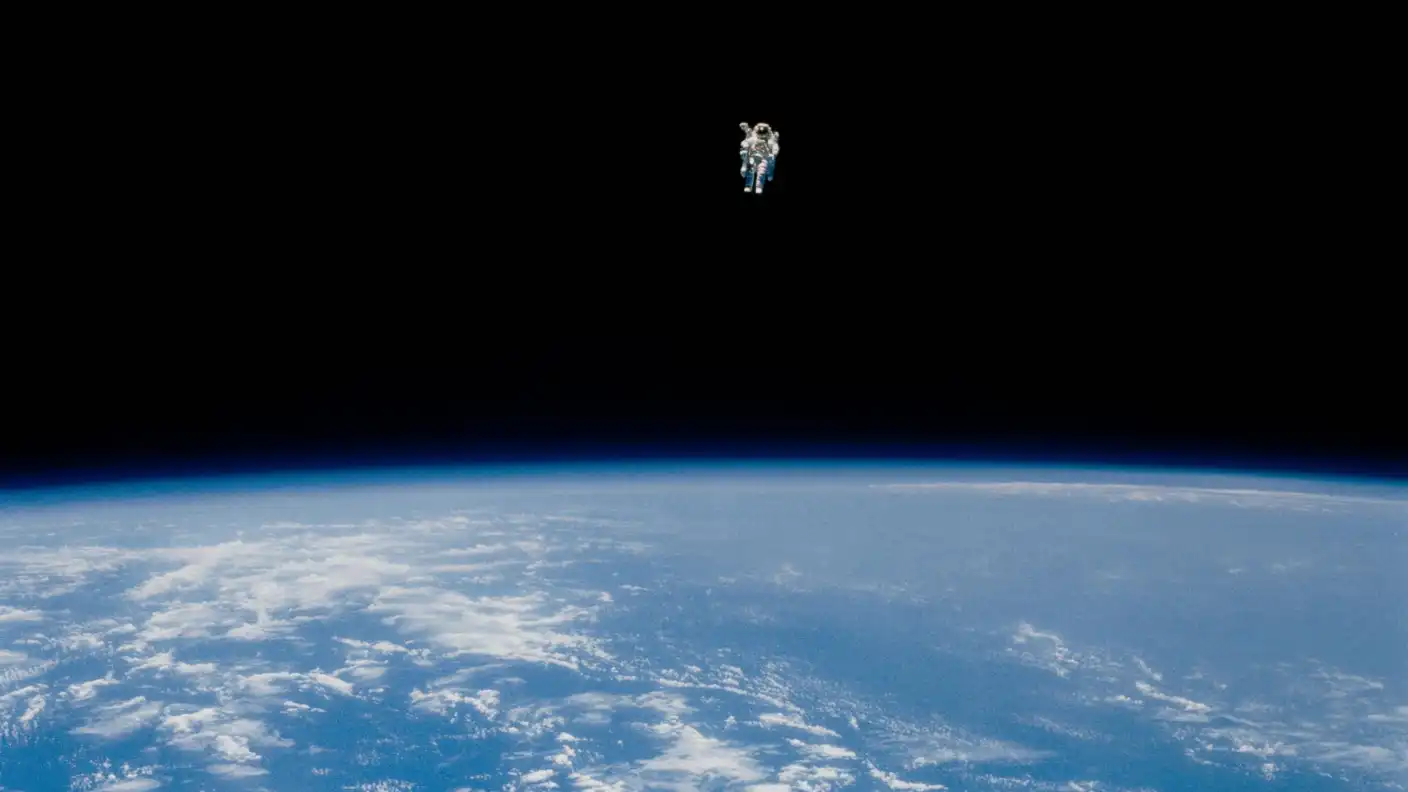
It isn’t all work, though. The crew has shared some incredible photos of Earth looking like a tiny blue marble through the windows of the Orion spacecraft. It is a view that only a handful of people in history have ever seen, and today, this crew will go further than any of them.
Later this afternoon, the mission will officially break a 56-year-old record. The astronauts will travel further from Earth than the Apollo 13 crew did back in 1970. Reaching over 248,655 miles from home marks a massive milestone for NASA’s new era of deep space exploration and human achievement.
The real action begins around 2:45 PM ET when the crew starts their official lunar observation. A few hours later, they will pass behind the Moon and briefly lose contact with Earth. This “blackout” period is always a tense moment for the teams back at mission control, as they wait for the signal to return.
The spacecraft will make its closest pass at 7:02 PM ET. Orion will fly just 4,066 miles above the lunar surface. From that height, the astronauts can see the entire Moon at once, including the icy north and south poles. This perspective helps scientists learn more about where future missions might actually land.
One of the most exciting parts of the trip is a special solar eclipse. Because of how the Sun, Moon, and Orion align, the astronauts will watch the Sun disappear behind the Moon for about an hour. It is a unique celestial show that you can only see from that specific spot in deep space.
NASA is starting its live coverage at 1 PM ET for anyone who wants to follow along. This mission is the first big step toward putting humans back on the lunar surface, and today’s flyby proves that the Orion hardware is ready for the challenge.