Key Points:
- The Belgian government signed a letter of intent to purchase all seven nuclear reactors managed by Electrabel.
- This massive nationalization plan officially reverses a 2003 law that forced the country to abandon nuclear power entirely.
- Recent conflicts in Iran and Ukraine pushed domestic energy inflation up by 10.6% in April.
- European leaders now view the continent’s previous shift away from nuclear energy as a major strategic mistake.
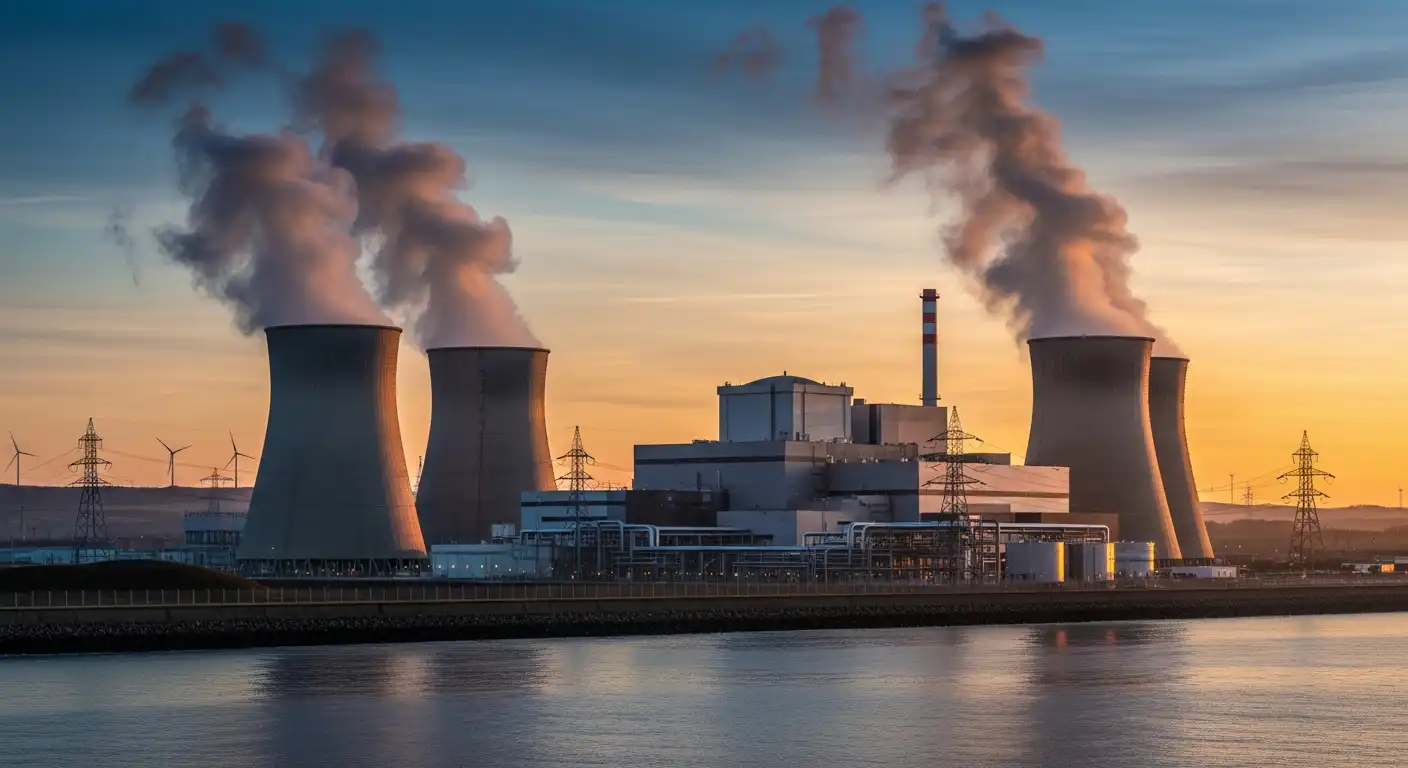
The Belgian government made a massive move to secure its long-term energy future on Thursday. Officials signed a formal letter of intent to take over Electrabel’s nuclear operations in full, a subsidiary of the French energy giant ENGIE. This historic purchase means the government will own and operate the nuclear power plants directly. It marks a total reversal of the country’s energy strategy and highlights how global events dictate domestic policy.
The ongoing negotiations cover all seven nuclear reactors located inside the country. The government will take over the physical power plants, the trained staff, and all associated financial assets. Leaders also agreed to take full responsibility for all long-term liabilities. This massive burden includes managing the dangerous and expensive toxic nuclear waste over the next century. Right now, only two of these seven reactors actually generate electricity for the public grid.
This new nationalization deal immediately stops the planned destruction of the remaining five facilities. Before this agreement took shape, the energy company had already prepared to dismantle the inactive reactors. Now, the government will pause the demolition teams. State engineers will evaluate the older facilities to determine whether they have any future value to the national power grid.
Belgian Prime Minister Bart De Wever strongly supported the nationalization plan during a public address. He stated that the government actively chooses safe, affordable, and sustainable energy for its citizens. The Prime Minister wants the country to rely far less on foreign fossil fuel imports. He firmly believes that owning the power plants gives the government much more control over its own daily energy supply and protects citizens from sudden price spikes.
This massive government purchase destroys a decades-old plan to abandon nuclear power. In 2003, the Belgian Senate passed a strict law amid intense public safety concerns. That specific legislation permanently banned utility companies from building new nuclear power plants. It also forced all existing reactors to shut down and lock their doors permanently after exactly 40 years of operation. Environmental groups cheered the original decision, but modern economic realities forced lawmakers to change their minds.
Because of that strict 2003 law, the country has slowly lost its nuclear capacity over the past two decades. The International Energy Agency tracks these power numbers very closely. According to their official data, nuclear reactors generated a massive 60% of Belgium’s electricity in the early 2000s. Today, that number sits much lower at just 40%, forcing the country to buy expensive energy from its neighbors to make up the difference.
Two major global conflicts forced the government to change its mind completely and cancel the phase-out plan last year. When Russia invaded Ukraine, Europe suddenly lost access to millions of cubic meters of cheap natural gas. Recently, the new war in Iran sent global energy markets into chaos once again. The Iranian military blocked the Strait of Hormuz, stopping vital oil ships from leaving the Middle East and reaching European ports.
This sudden naval blockade caused a severe shortage of supplies across the entire continent. Energy prices skyrocketed instantly as utility companies panicked. The Belga news agency reported that energy inflation in Belgium jumped by an alarming 10.6% in April alone. Regular families and small business owners simply cannot afford to pay these massive electric bills every single month without risking bankruptcy.
Belgium does not stand alone in this dramatic policy shift. The entire continent of Europe is currently struggling to supply enough electricity to keep the lights on and factories running. Europe currently imports a massive share of its daily energy from foreign countries. To fix this dangerous national security weakness, European leaders desperately want to rebuild their homegrown nuclear power networks and stabilize the chaotic local energy markets.
European Commission President Ursula von der Leyen spoke bluntly about the issue last month. She called Europe’s previous decision to abandon nuclear power a massive strategic mistake that hurt the entire region. Regular citizens seem to agree with her honest assessment. During a comprehensive 2024 survey, exactly 56% of European Union residents said they believe nuclear energy will positively impact their lives over the next 20 years. Meanwhile, only 35% of the respondents held a negative view of the advanced technology.