Key Points
- Microsoft and Meta are under pressure to show that their massive AI investments are paying off.
- Alphabet has taken the lead in the AI race, with its stock surging after the release of Gemini 3.
- Big Tech is expected to spend over $500 billion on AI this year.
- There are growing doubts about whether the real-world benefits of AI are living up to the hype.
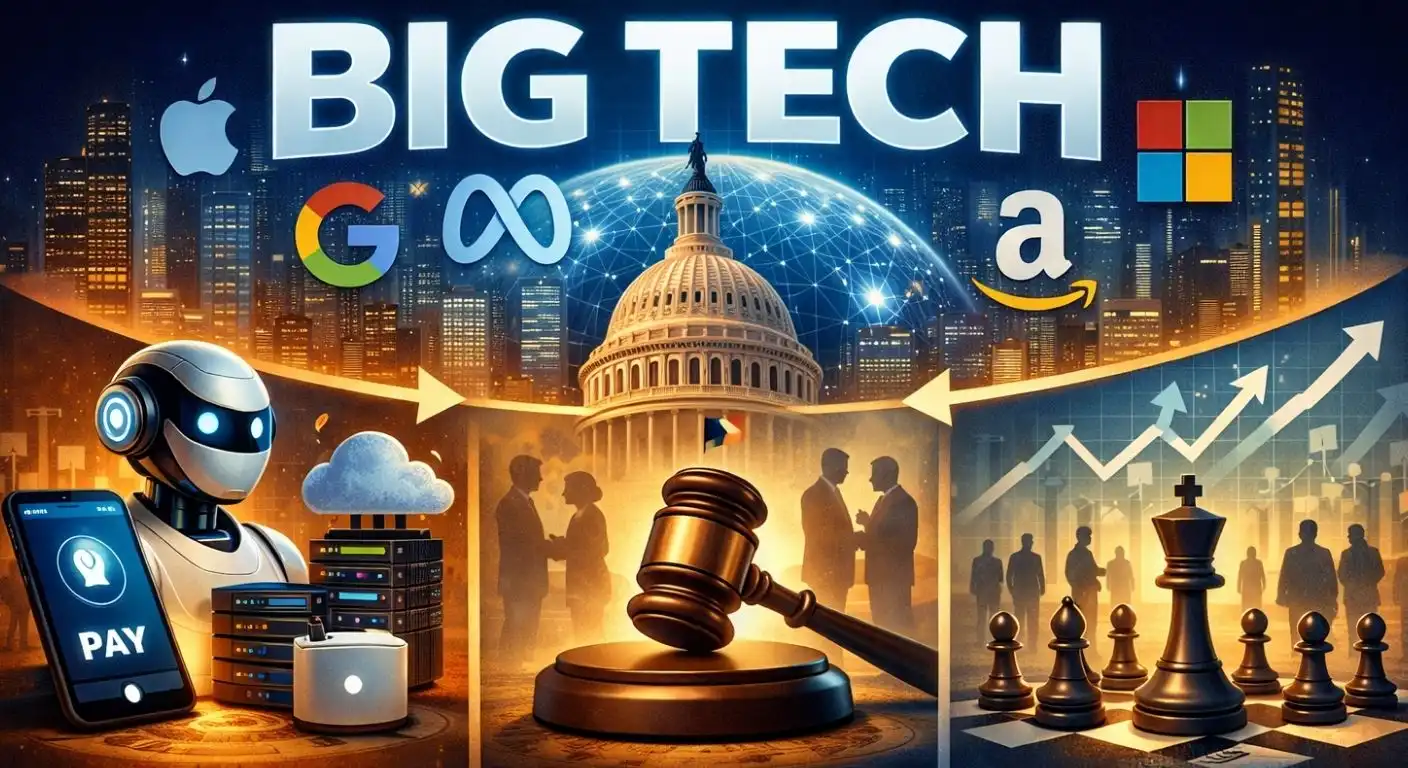
Microsoft and Meta are set to report their latest earnings this week, and they are under a lot of pressure to prove that their expensive bets on artificial intelligence are paying off. After a year of AI hype, investors are now looking for real results, especially as a resurgent Alphabet seems to be taking the lead in the high-stakes race.
Big Tech is expected to spend over $500 billion on AI this year, a massive outlay that is drawing a lot of scrutiny.
Microsoft, which had an early lead thanks to its investment in OpenAI, has seen its stock stumble in recent months. There are growing doubts about whether the company has squandered its first-mover advantage. Meta is also on the hook to show that its expensive push into “superintelligence” is more than just a money pit.
Meanwhile, Alphabet’s stock has surged, thanks to the strong reception of its new Gemini 3 AI model and a major deal to power Apple’s revamped Siri. “Alphabet has the upper hand in the AI race,” said one investor. “Like in the internet boom, the first-mover advantage doesn’t always win the marathon.”
The upcoming earnings reports will be a crucial test. Analysts are expecting Microsoft’s cloud business, Azure, to post slower growth, while Google Cloud’s growth is expected to have quickened. Meta’s revenue is likely to have been boosted by its AI-powered ad improvements, but an expensive hiring spree for AI talent is expected to slow its profit growth.
The big question is whether the real-world benefits of AI are living up to the hype. A recent survey found that more than half of CEOs have not seen any revenue or cost benefits from their AI investments. This is feeding into the fears of an AI bubble that have been hanging over the industry all year.