

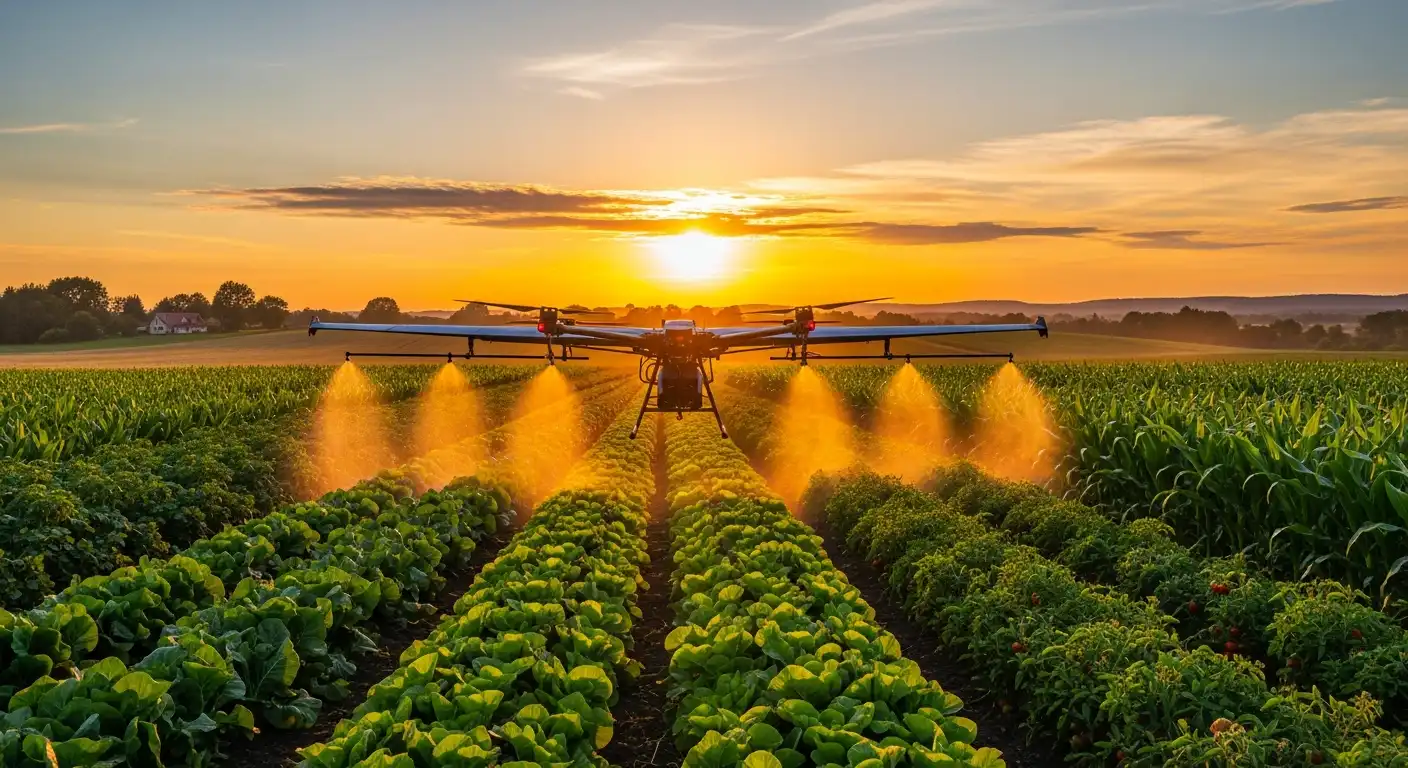
For decades, the standard response to a pest infestation—whether in a massive cornfield or a backyard garden—has been chemical warfare. Synthetic pesticides have undoubtedly saved crops and fed millions, but they have come at a steep environmental and health cost. They pollute groundwater, decimate pollinators like bees, and pests inevitably develop resistance to them.
The agricultural world is seeking a ceasefire. Enter Biopesticides.
Biopesticides are pest control agents derived from natural materials—animals, plants, bacteria, and certain minerals. Unlike their synthetic cousins, they tend to be less toxic, more targeted, and biodegradable. They represent a shift from “eradicating” nature to “managing” it using biological principles.
This comprehensive guide explores the three main classes of biopesticides, their mechanisms of action, and why they are the cornerstone of the next Green Revolution.
Why the Shift from Synthetic to Biological?
The rise of biopesticides is driven by three pressures:
- Regulation: Governments (especially in the EU) are banning harsh chemicals like neonicotinoids due to their impact on bees.
- Resistance: Pests evolve. Just as bacteria become resistant to antibiotics, insects become resistant to chemical sprays. Biopesticides often have complex modes of action that are harder for pests to adapt to.
- Consumer Demand: People want organic, residue-free food.
The Three Pillars of Biopesticides
Biopesticides are generally categorized into three major classes based on their origin.
Microbial Pesticides
These utilize microorganisms (bacteria, fungi, viruses, or protozoa) as the active ingredient.
- The Superstar: Bacillus thuringiensis (Bt): This is the most famous biopesticide. Bt is a soil bacterium that produces a crystal protein. When a caterpillar eats a leaf coated in Bt, the protein dissolves in its gut, paralyzing its digestive system. The caterpillar stops eating and dies. Crucially, Bt is harmless to humans, birds, and even other beneficial insects.
- Fungi (Entomopathogenic fungi): Fungi like Beauveria bassiana act as parasites. Their spores land on an insect, drill through its exoskeleton, and consume it from the inside out. It’s a biological horror movie for the pest, but safe for the crop.
Biochemical Pesticides
These are naturally occurring substances that control pests by non-toxic mechanisms.
- Pheromones: Insects use chemical scents to find mates. By flooding a field with synthetic female pheromones (Mating Disruption), farmers confuse the male insects. They can’t find the females, mating doesn’t happen, and the population crashes without a single bug being killed directly.
- Plant Extracts: Oils like Neem oil or essential oils interfere with an insect’s molting process or act as repellents.
Plant-Incorporated Protectants (PIPs)
This blurs the line with GMOs. PIPs are pesticidal substances that plants produce from genetic material that has been added to the plant. For example, scientists can take the gene from the Bt bacterium and insert it into the corn’s DNA. The corn then produces the Bt protein itself, defending itself against the corn borer worm.
Integrated Pest Management (IPM)
Biopesticides are rarely a “silver bullet.” They work best as part of Integrated Pest Management (IPM).
IPM is a holistic strategy. A farmer might use pheromone traps to monitor pest levels. If the levels get too high, they release a biopesticide. If that fails, they might use a targeted chemical spray as a last resort. This preserves the ecosystem while protecting the yield.
The Pros and Cons
Biopesticides offer a sustainable alternative to traditional chemicals, but they come with specific operational trade-offs.
The Advantages
- Target Specificity: They usually kill only the target pest and spare the ladybugs and bees.
- Residue Free: You can often spray biopesticides right up to the day of harvest (low Pre-Harvest Interval), unlike chemicals that require weeks to break down.
- Resistance Management: Alternating chemicals with biologicals prevents pests from adapting.
The Challenges
- Speed: Biopesticides are often slower-acting. A chemical might kill a bug in seconds; a fungus might take days. Farmers need patience.
- Environmental Sensitivity: Being living organisms or natural compounds, they degrade quickly in UV light or heat. They must be applied at the right time (often dusk) and stored carefully.
- Cost: While prices are dropping, they can sometimes be more expensive per acre than cheap generic chemicals.
The Future: RNAi and Peptides
The next generation of biopesticides is high-tech.
RNA Interference (RNAi): This involves spraying double-stranded RNA that targets a specific gene in the pest (like a gene essential for digestion) and silences it. It is the ultimate in species-specific control.
As we move toward regenerative agriculture, biopesticides are no longer the “alternative”; they are becoming the standard. By harnessing the biological arms race that has existed for millions of years, we can protect our food without poisoning our planet.






