Key Points:
- The closure of the Strait of Hormuz cost Europe an extra €22 billion in fossil fuel bills in just 44 days.
- Brussels wants to expand renewable and nuclear power, which already generate over 70% of European electricity.
- A massive emergency package offers joint oil releases and direct income support to help families pay high utility bills.
- A group of 15 member states formed the European Nuclear Alliance to champion Small Modular Reactors for the early 2030s.
The closure of the Strait of Hormuz sent energy prices surging across Europe this spring. In response, leaders in Brussels want to fix the problem permanently. They plan to accelerate a massive transition away from imported fossil fuels. Officials put both renewable energy and nuclear power back on the table as the primary solutions to this growing crisis. They know they must act quickly to save the European economy from further damage.
European Commission President Ursula von der Leyen explained the brutal financial reality on April 13. She told reporters that Europe spent an extra €22 billion on fossil fuel imports in just 44 days. The ongoing conflict between the United States and Iran caused this massive price spike by choking off one of the most important shipping lanes in the world. Von der Leyen pointed out that European citizens paid this massive premium without receiving a single extra drop of fuel. The money simply vanished into the pockets of foreign oil producers.
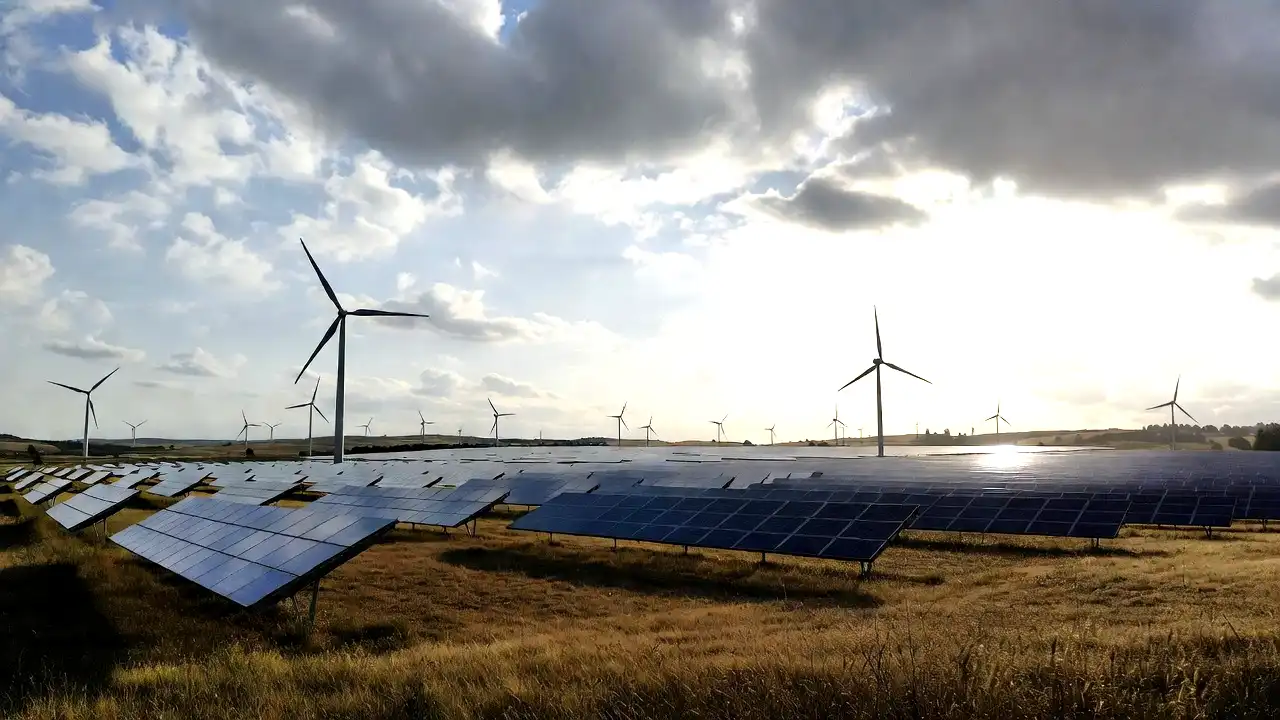
To stop this financial bleeding, the European Commission recommends a massive expansion of clean energy. Renewables and nuclear power currently provide over 70% of the electricity used across the continent. Leaders want to push that number even higher to cut ties with volatile oil markets in the Middle East. They believe that producing energy at home offers the only real security for European consumers who constantly face wildly fluctuating utility bills.
However, the Commission quickly identified several major roadblocks to this green transition. Europe suffers from severely limited energy storage capacity. When wind turbines and solar panels produce too much power on sunny or windy days, operators often waste the excess energy. They simply have no large-scale battery facilities to store electricity for evening hours when demand peaks and the sun goes down.
Outdated power grids create another major headache for energy planners. The current electrical infrastructure simply cannot handle a massive influx of new renewable energy projects. Old transmission lines struggle to move power from windy coastal regions to landlocked industrial centers. To solve this bottleneck, Brussels is rushing a comprehensive grid modernization package through the legislative process. Officials plan to implement these crucial infrastructure upgrades later this summer so countries can share electricity more efficiently.
Meanwhile, nuclear energy has made a powerful comeback in the political debate. For years, many European nations sought to phase out nuclear power entirely due to public safety concerns. Now, 15 different member states strongly support the technology. These countries formed the European Nuclear Alliance to protect and expand their nuclear capabilities. They argue that nuclear plants provide the reliable baseline power necessary to keep the lights on when the weather does not cooperate with solar arrays and wind farms.
The nuclear push goes beyond keeping old plants running. European nations are building serious momentum to deploy new technology called Small Modular Reactors across the continent. Engineers design these smaller reactors to be cheaper, safer, and faster to build than traditional massive nuclear facilities. Factories can build the reactor parts on a normal assembly line and ship them directly to the power plant site. Energy companies hope to bring these new reactors online in the early 2030s to provide stable, carbon-free electricity to local communities.
While Brussels plans for the future, citizens need immediate help paying their current utility bills. On April 22, the Commission announced a sweeping emergency package to tackle the immediate fallout of the Iran conflict. The plan forces member states to coordinate their natural gas storage so no single country runs out of fuel during a sudden cold snap. Sharing resources prevents individual nations from hoarding gas and driving regional prices even higher.
The emergency package also authorizes joint releases from strategic oil reserves to help calm panicked global markets. Furthermore, the plan includes direct income support to help struggling households pay their skyrocketing electricity and heating bills. Finally, Brussels expedited flexible state aid rules. This new flexibility allows national governments to quickly rescue local businesses and factories that might go bankrupt due to high operational energy costs.
This chaotic situation marks the second major energy crisis to strike Europe in just 3 years. The continent barely recovered from the massive natural gas shock of 2022 before this new Middle East conflict erupted. European leaders realize that their current energy strategy leaves their economies totally exposed to the whims of foreign wars and blocked shipping straits.
Brussels now has one clear ultimate objective. Leaders do not want to manage the next inevitable energy shock simply. They want to prevent future shocks altogether. By investing heavily in wind, solar, and modern nuclear technology, Europe hopes to finally achieve true energy independence and protect its citizens from global instability for decades to come.