Key Points:
- Canada will allow 49,000 Chinese-made electric vehicles to enter the country annually at a low 6.1% tariff rate.
- Canadian auto dealers report massive interest, with nearly 400 inquiries to represent brands like BYD and Geely.
- U.S. politicians, including President Donald Trump and Transportation Secretary Sean Duffy, strongly criticize the Canadian policy.
- Industry experts estimate that the 49,000 vehicles will capture about 3% to 5% of the total Canadian auto market.
Michael MacGillivray runs 10 car dealerships across Nova Scotia and New Brunswick. He sees the upcoming arrival of Chinese electric vehicles in Canada as a massive game-changer. As the top executive of Century Auto Group and SIGMA Auto Group, he wants to secure a spot as one of the first Canadian dealers to sell these imported cars to local drivers.
To get a head start, MacGillivray traveled to the Beijing Auto Show in April. He joined several other Canadian auto dealers on the trip. They went to build business relationships with Chinese automakers and test drive the cars and SUVs that factories will soon ship to North America. MacGillivray walked away highly impressed. He noted that Chinese automakers use top-tier materials, design impressive body styles, and engineer a very smooth ride.
However, the Canadian government’s decision to welcome these foreign cars faces intense backlash. The Canadian Vehicle Manufacturers’ Association issued a harsh public statement. The group called the decision to allow Chinese electric vehicle sales deeply concerning for local factories and domestic workers.
Politicians in the United States reacted with even more anger. President Donald Trump publicly slammed the move, calling the Canadian policy an absolute disaster. U.S. Transportation Secretary Sean Duffy took his frustration directly to social media. Duffy posted a message on X stating that Canada will live to regret the day they let the Chinese Communist Party flood North America with their electric vehicles.
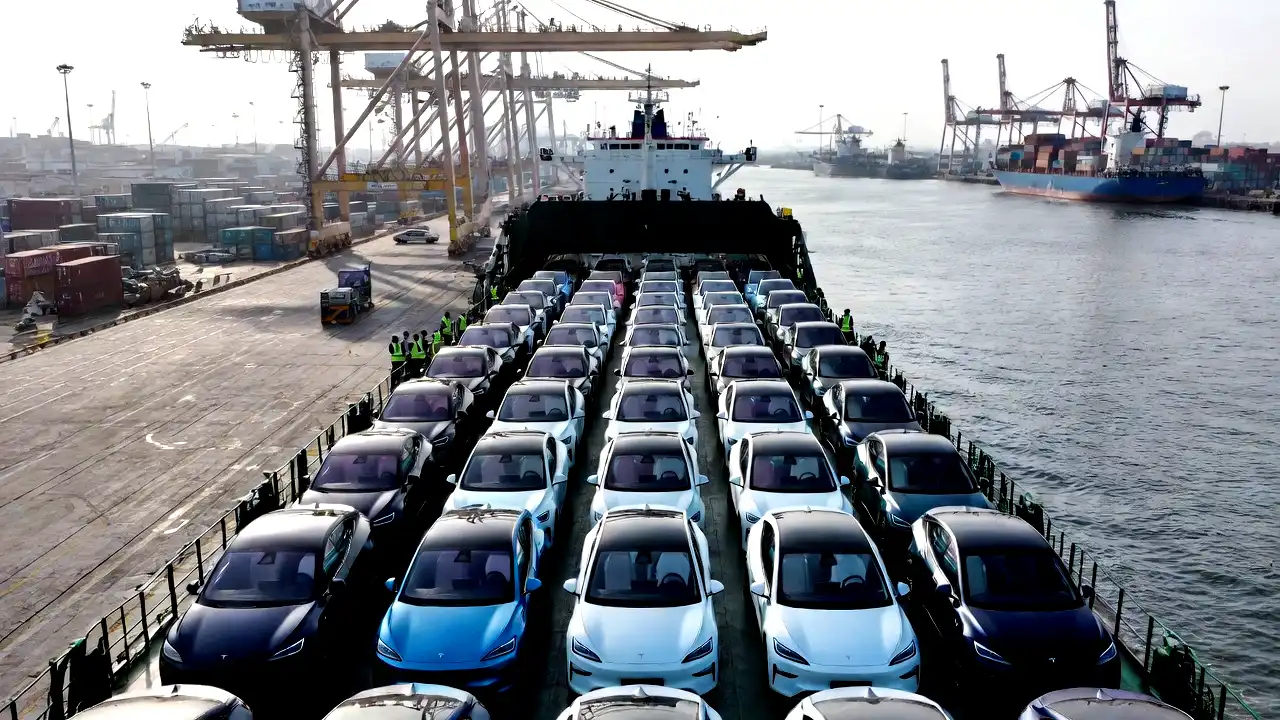
Despite the heavy political criticism, Canada set a strict limit on the actual imports. The government officially allows exactly 49,000 Chinese-made electric vehicles to enter the country for retail sales every single year. These specific cars benefit from a very low 6.1% tariff rate. This special tax break marks a massive discount compared to the harsh 100% tariff the government currently slaps on all other vehicles exported from China to Canada.
That 6.1% low tariff rate successfully convinced top Chinese automakers to enter the Canadian market. They now actively look to set up local dealerships. Farid Ahmad serves as the chief executive of DSMA, an auto dealership broker based in suburban Toronto. He sees massive excitement from local business owners who want to sell these new cars.
Ahmad reported that his firm received nearly 400 direct inquiries from different car dealers scattered across Canada. These local business owners eagerly want to represent major Chinese brands like BYD, Geely, and Chery. Ahmad explained that Chinese automakers view this specific Canadian policy as their ultimate foothold in the highly profitable North American auto market.
The Canadian auto market moves a massive number of cars every year. According to S&P Global data, companies such as General Motors, Ford, Toyota, and Hyundai currently sell the most vehicles in the country. Last year, total industry sales topped 1.9 million vehicles across Canada. To put that massive number into perspective, Canadians bought slightly more cars last year than Californians did in 2025.
By limiting the special 6.1% tariff to just 49,000 vehicles, Canadian leaders placed clear guardrails on the new market entry. Michael Robinet serves as vice president of forecast strategy at S&P Global Mobility, a major automotive industry consulting firm. He explained that government officials act very carefully regarding exactly how much foreign volume they allow into the country.
Robinet calculated that 49,000 cars represent anywhere between 3% to 5% of the total Canadian auto market. He called that percentage a sizable chunk of sales, but he noted it lacks the sheer volume needed to significantly alter the competitive dynamic of the industry as a whole. Legacy manufacturers will continue to dominate local roads.
Meanwhile, regular Canadian drivers are highly curious about the new options. People walking the streets of Nova Scotia told reporters they feel very eager to buy an electric model built in China. A resident named Patrick Hunt cheerfully predicted that the Chinese brands would destroy the current market in a good way by forcing prices down.
Another Canadian resident, Daniel Haim, agreed with the positive outlook. He appreciates having more options when shopping for a family car. Haim pointed out that everyday gas prices continue to hurt family budgets. He believes any new manufacturer entering Canada will find great success, especially if they offer affordable electric vehicles that let drivers skip the gas pump entirely.