Key Points:
- China’s National People’s Congress begins Thursday to set new economic goals.
- The country faces a severe housing slump and high youth unemployment.
- Leaders will approve a new five-year plan focused heavily on technology.
- Heavy reliance on exports and state subsidies continues to fuel trade tensions.
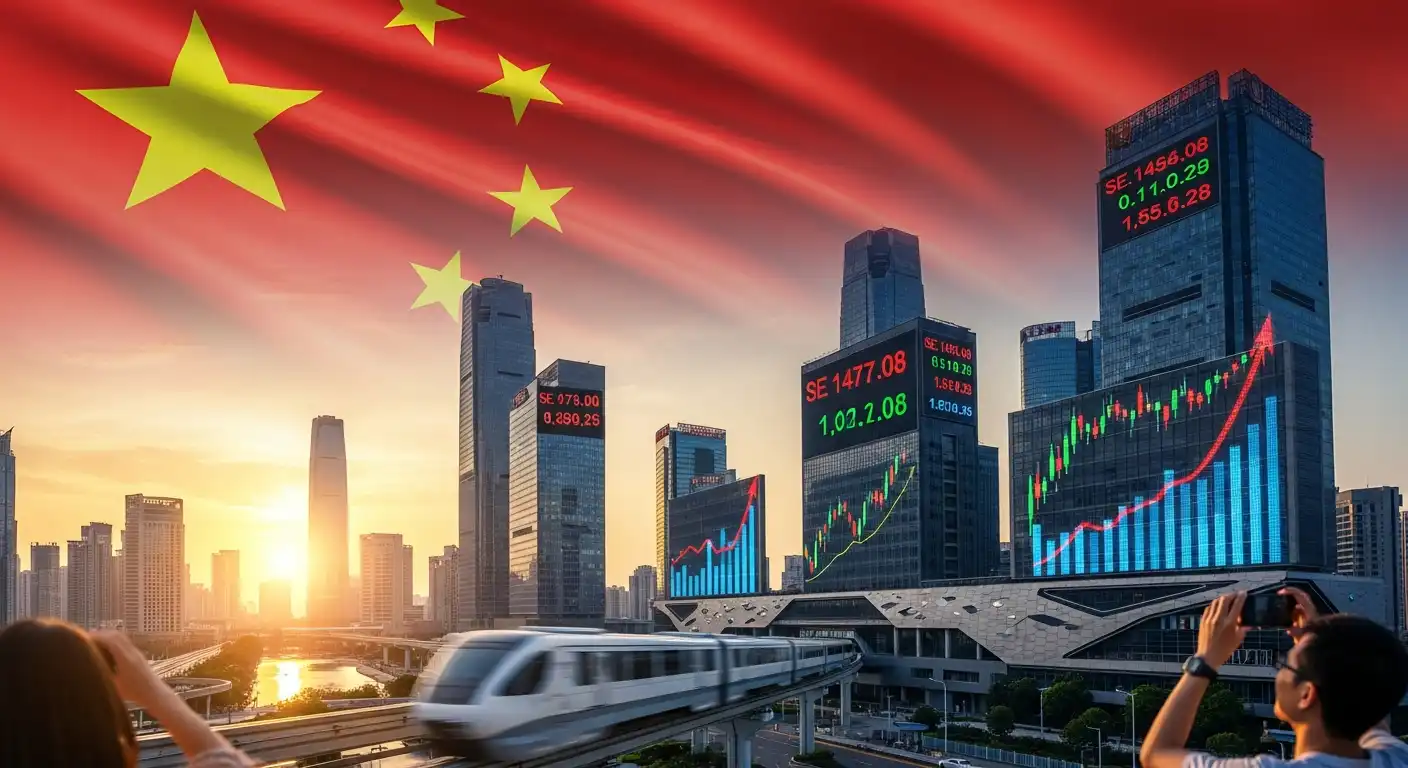
China is showing off impressive modern marvels like self-parking cars and kung-fu fighting robots. However, these high-tech achievements mask a struggling economy. A long housing market crash, hurting small businesses, and a tough job market for young people are casting a shadow over the country.
This sharp contrast sets the stage for the National People’s Congress, which starts Thursday in Beijing. About three thousand deputies will gather to hear top leaders announce the annual economic growth target. They will also approve a five-year policy blueprint running through 2030. Experts say President Xi Jinping faces a tough choice between funding tech industries or helping regular consumers spend more money.
Right now, the economy is losing its steam. Families are spending less, and small businesses are feeling the pinch. A major property slump wiped out countless jobs, leaving more than sixteen percent of young Chinese workers unemployed. Many recent graduates are simply giving up on finding a career.
To keep the economy moving, China relies heavily on exports. Factories keep churning out electric vehicles, solar panels, and other goods, creating a massive trade surplus last year. However, the government’s heavy financial support for these high-tech sectors is frustrating international trading partners and creating a massive oversupply of products.
Meanwhile, Xi Jinping continues to tighten his grip on power. Just days before the congress, the government removed several top military officers, including a high-ranking general. These ongoing anti-corruption sweeps wipe out political rivals and ensure absolute loyalty. With his power secure, Xi remains focused on turning China into a self-sufficient tech superpower, even as traditional economic sectors struggle to survive.