

Key Points:
- Chinese car companies now design new vehicles from the ground up for foreign markets to escape fierce domestic price wars.
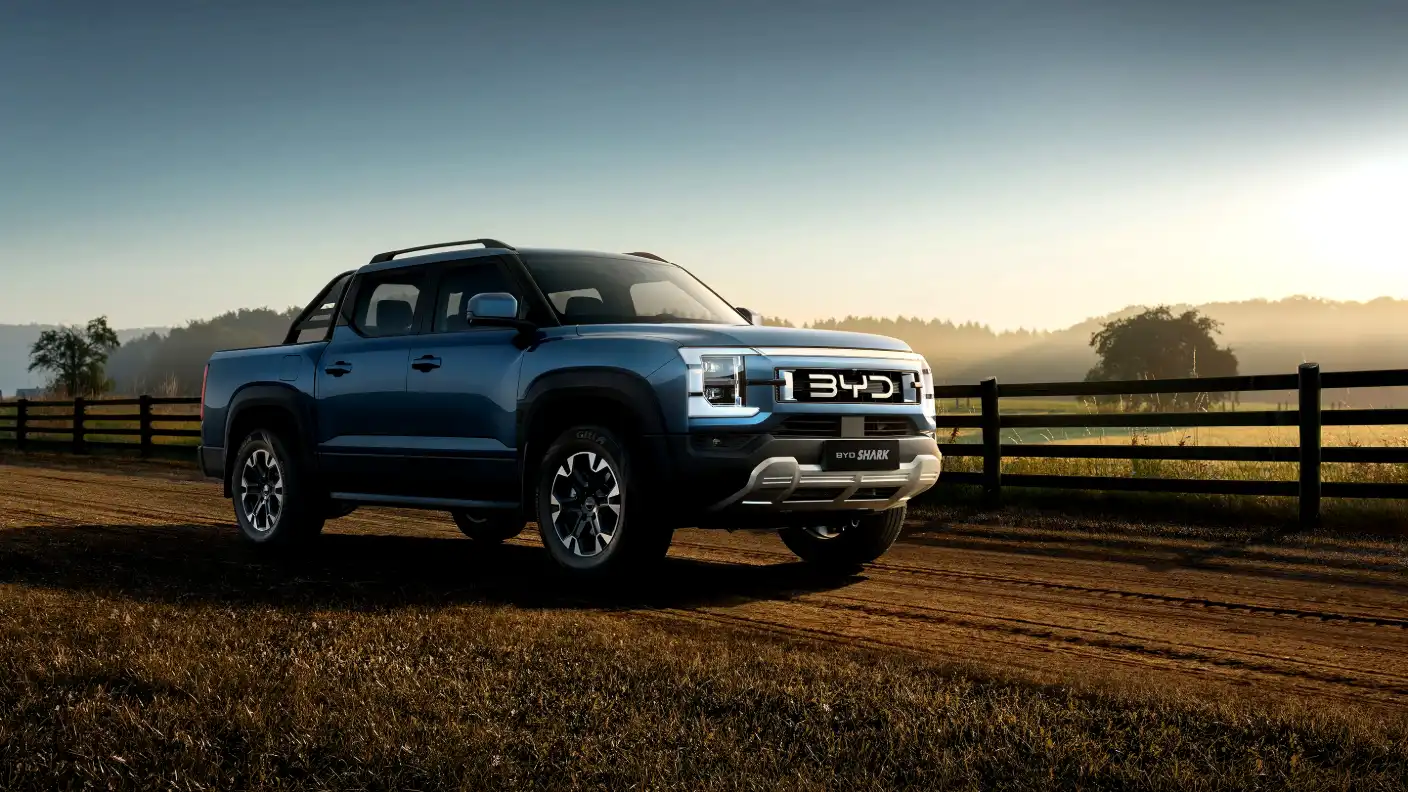
- Brands like BYD and Chery focus heavily on European hatchbacks and rugged Australian pickup trucks to win local buyers.
- Chinese car brands captured a 14.2% market share in Britain during the first quarter of the year.
- Automakers can sell their high-tech cars in Western markets for double the domestic price and still undercut rivals.
Chinese automakers want to copy a historic move that made Toyota a global powerhouse. Many years ago, Toyota designed the Yaris hatchback specifically for European buyers and went on to conquer the continent. Now, Chinese car companies hunt for their own similar breakthrough. Instead of shipping slightly changed Chinese models overseas, these companies now engineer brand-new vehicles from scratch just for foreign markets.
A brutal domestic price war drives this massive shift in strategy. The car market inside China suffers from extreme overcrowding. More than 100 manufacturers are fighting for survival, leaving most companies struggling to turn a profit. Western markets offer a highly lucrative escape route. Chinese companies cram their cars with advanced technology and sell them at home for cheap. When they ship those same cars to Europe, they can charge double the price and still easily undercut established Western brands.
Major players like BYD, Chery, Changan, SAIC, and FAW lead this aggressive global expansion. They all have fresh vehicle models in the pipeline. Their engineering teams design small hatchbacks for European city streets and tough pickup trucks for drivers in Australia and Mexico.
BYD executives see this local design approach as critical to their survival. The company plans to launch its Dolphin G hatchback in June, specifically for European drivers. Hatchbacks make up more than 40% of all new car sales in southern Europe. This exact type of car barely sells at all in China. Stella Li, the second-in-command at BYD, told reporters that her company will completely lose the European market if it fails to offer the right car.
FAW also targets Europe with its premium Hongqi brand. At the Beijing Auto Show in late April, the company revealed a new small sport utility vehicle. The automaker wants to sell this specific car in 80 countries worldwide. However, design chief Giles Taylor confirmed his team built the vehicle primarily to please urban European drivers.
This export strategy is already delivering significant financial results. The intense domestic competition pushed China to become the world’s largest vehicle exporter in 2024, officially surpassing Japan. In Britain, Chinese brands doubled their market share to hit 14.2% in the first quarter of this year. Across the rest of Europe, Chinese companies nearly doubled their total market share to 6% in 2025, up from just 3.5% in 2024.
Experts warn that this rapid export growth will crash if Chinese brands keep selling cars made strictly for Chinese tastes. The average car buyer in China is much younger than typical consumers in the United States or Europe. These young drivers demand wild colors, like pinkish mauve interiors, and fun tech features like built-in karaoke machines. Francois Roudier, a leader at the International Organization of Motor Vehicle Manufacturers, noted that a 95-year-old European driver cares absolutely nothing about singing karaoke in the car.
To win over Europeans, Chinese companies must build smaller cars. Chery currently ranks as the biggest vehicle exporter in China. In 2025, the company sold 2.8 million vehicles globally, and massive SUVs accounted for 2.3 million of those sales. To fix this imbalance, Chery formed a new international brand called Lepas. The head of design, Ivan Dulanovic, confirmed his team is actively developing a brand-new hatchback called the Lepas 2 just for the European market. SAIC also plans to release an MG2 hatchback for Europe because locals simply hate driving huge cars.
Companies even change their launch strategies to prioritize global customers. Ke Chuandeng leads the Jetour brand for Chery. He said his team built their first fully electric compact car to impress European buyers. He also revealed that the upcoming F700 pickup truck will launch in Mexico before it ever goes on sale in China.
Australia also receives special attention for heavy-duty pickup trucks. Chery plans to send a plug-in diesel hybrid pickup to Australia later this year. Lucas Harris, the local managing director, said Australians treat their trucks terribly on rough country roads. He believes that if a Chinese truck can survive the harsh Australian outback, the vehicle can easily survive anywhere else in the world.
The state-owned automaker Changan currently develops a massive range of hatchbacks, compact SUVs, and pickup trucks for global markets. Design chief Klaus Zyciora expects to launch these new vehicles starting in late 2027. He noted that global competition remains incredibly fierce and requires massive financial investments. Car companies must achieve massive global scale now if they want to survive the next decade.






