Key Points:
- The cruise industry hosted 37 million passengers last year and expects to reach 42 million annually by 2029.
- The ongoing conflict in the Middle East stranded at least six cruise ships in the Persian Gulf.
- Cruise lines are investing hundreds of millions to reach net-zero emissions by 2050 through alternative fuels.
- New Norwegian Cruise Line CEO John Chidsey plans to use his fresh perspective to fix internal corporate issues.
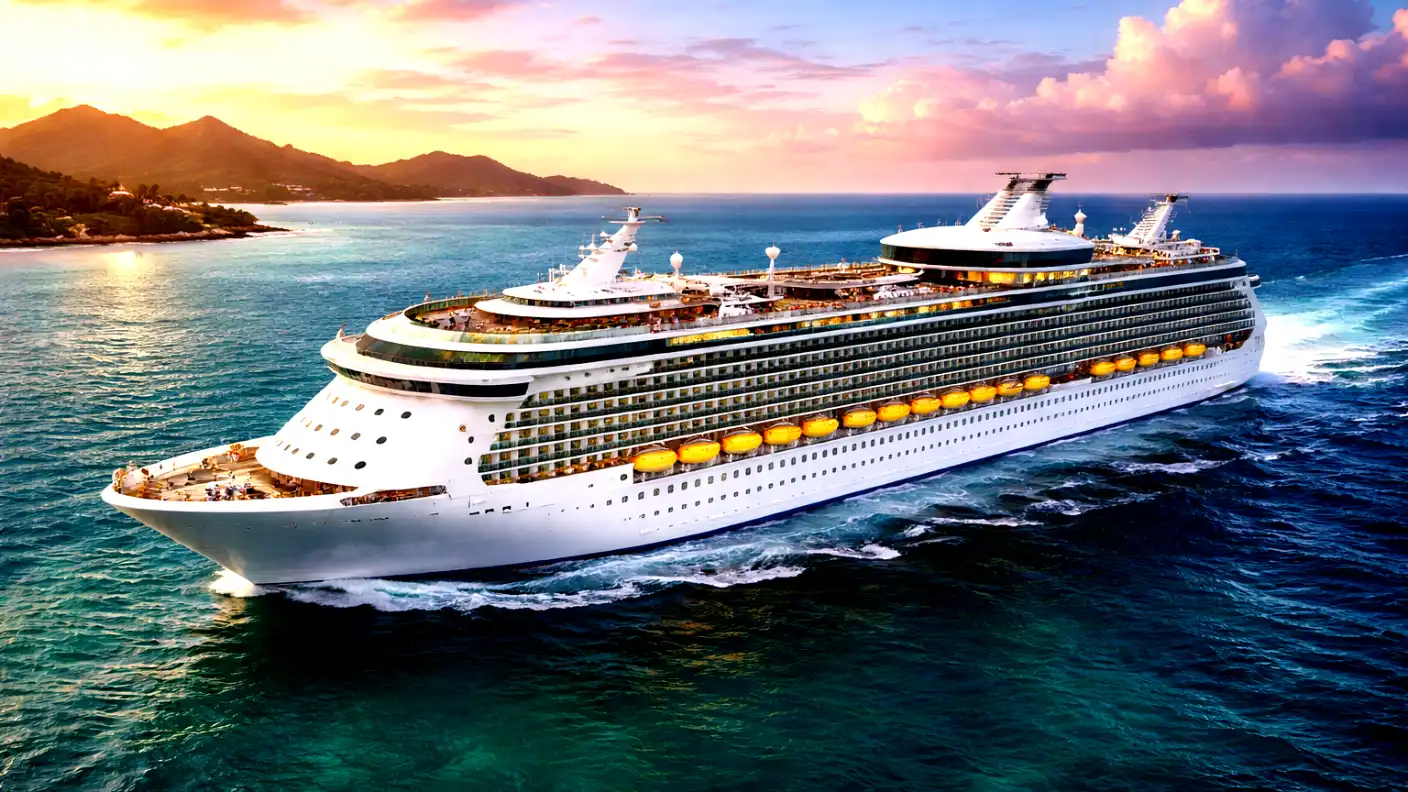
The global cruise industry is currently riding a massive wave of record consumer demand. Travelers are eagerly booking vacations at unprecedented rates. However, the top leaders running the world’s largest cruise companies warn that the sector also faces some of the most complex geopolitical and environmental challenges seen in decades.
During a keynote panel on Tuesday at the Seatrade Global conference, Carnival Corporation CEO Josh Weinstein explained the shift in consumer mindset. He noted that cruising is no longer just an alternative vacation option; it is now a primary choice for millions of people. This massive surge in demand brings a noticeable demographic shift. According to the new 2026 State of the Cruise Industry report released by Cruise Lines International Association, a full one-third of all cruise travelers are now under 40 years old.
The report highlighted other major changes in travel habits. One-third of all trips now involve multigenerational families traveling together on the same ship. Furthermore, nearly a third of active cruisers take cruises multiple times a year. These loyal customers helped the industry host a staggering 37 million passengers worldwide last year. The association expects the number to grow to 42 million annually by 2029. Weinstein noted that this strong, mainstream demand positions the entire industry well to survive future volatility.
However, massive geopolitical volatility currently threatens the industry. Right now, at least six major cruise ships remain stranded in the Persian Gulf due to a tense military standoff at the Strait of Hormuz. One of those stranded vessels is the MSC Euribia. When the United States and Israel launched an attack on Iran in late February, cruise lines safely evacuated roughly 1,500 passengers amid sudden Dubai airport shutdowns and loud missile warnings. Despite the evacuation, several crew members remain aboard the stranded vessels to maintain them.
MSC Cruises Executive Chairman Pierfrancesco Vago addressed the tense situation during the Seatrade Global keynote. He told the audience that the company must live day by day because the military situation remains incredibly fluid. The total shutdown of marine traffic in the Strait severely disrupted carefully planned itineraries across the Middle East and southern Europe. Threats of military blockades, underwater mines, and chaotic political negotiations keep cruise executives constantly guessing about when they can safely move their billion-dollar ships. Vago stated that his team must simply stay cool and be ready to move the ships out as soon as the opportunity arises.
Beyond sudden geopolitical shocks, the industry constantly battles volatile fuel prices. This financial pressure puts energy strategy front and center for every major cruise line, especially for companies like Carnival that do not financially hedge their fuel prices against market swings. Weinstein stated that Carnival’s primary strategy remains incredibly consistent: the company simply tries to use less fuel.
The entire cruise industry wants to achieve net-zero emissions by 2050. However, the top CEOs all agree they cannot reach that massive goal simply by conserving traditional fuel. Industry leaders view new alternative fuels such as biofuels, green methanol, and synthetic liquefied natural gas as the most promising long-term solutions. Royal Caribbean Group CEO Jason Liberty said cruise lines already invest hundreds of millions of dollars annually into new technology and energy innovation. The real bottleneck is simply finding enough alternative fuel to buy. Liberty noted that the industry will face intense competition from other major transportation sectors seeking to buy the same clean fuels.
Despite the rough seas, cruise companies continue looking for new ways to grow. Technological advances in artificial intelligence now help ships reduce food waste, plan sailing routes more precisely, and increase overall efficiency. The lines also use technology to improve the guest experience. Liberty noted that adding fast Starlink internet connections to Royal Caribbean ships helped attract remote workers who need a flexible work environment. Furthermore, companies are pouring money into private destinations. Royal Caribbean currently operates three private destinations but plans to expand that number to eight by 2028.
Finally, the industry is seeing some major leadership changes at the very top. At Norwegian Cruise Line Holdings, brand new CEO John Chidsey faces the tough challenge of righting a struggling ship. During his first earnings call in February, Chidsey openly acknowledged that the company had committed numerous missteps. Financial margins remain under intense pressure, and company shares have been highly volatile. Earlier this year, Elliott Investment Management took a massive activist stake in Norwegian, which likely pushed the board to hire Chidsey.
Chidsey previously served as the CEO of Subway, Burger King, and Avis. When critics at the Seatrade conference asked what a sandwich guy knows about running a massive cruise line, Chidsey quickly fired back. He insisted he is a turnaround guy, not just a sandwich guy. He noted that he knew absolutely nothing about fast food when he took those jobs, but he used his fresh set of eyes to fix the companies. He plans to do the same thing at Norwegian by focusing entirely on flawless corporate execution.