Key Points:
- Bundesbank President Joachim Nagel warned the European Central Bank might raise interest rates soon.
- The ongoing war in Iran pushes global energy prices higher, threatening regional price stability.
- Economic experts currently expect the central bank to hike rates at least twice in 2026.
- Nagel stated it takes up to 18 months for an energy supply shock to impact all consumer goods.
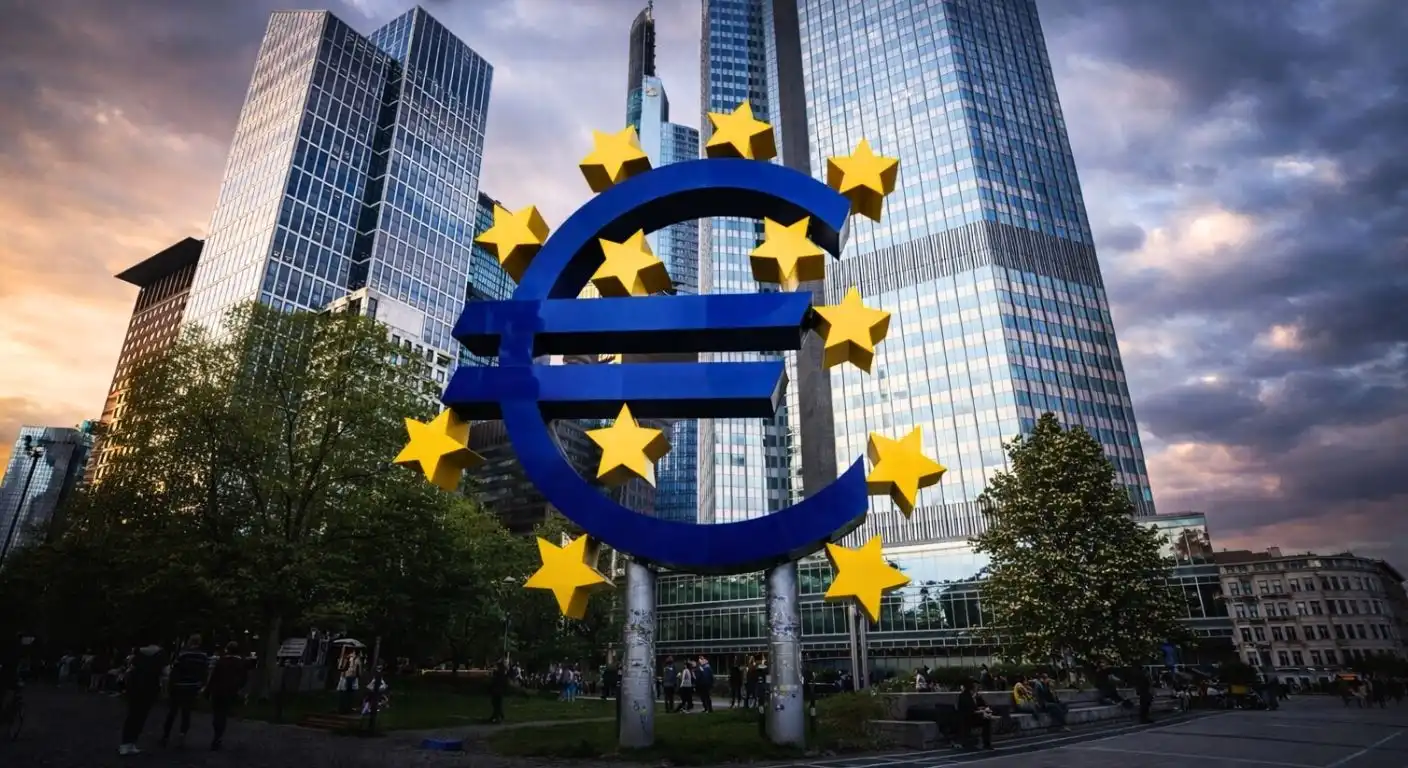
The European Central Bank faces a tough decision in the coming months. The ongoing conflict in the Middle East, specifically the war in Iran, pushes energy prices higher across the entire continent. Because of this sudden spike in operating costs, top financial officials warn that borrowing money will likely become more expensive soon. Bundesbank President Joachim Nagel recently stated that the central bank might need to raise interest rates aggressively to keep the regional economy stable.
Nagel shared his serious concerns during a recent interview with the German financial newspaper Handelsblatt. He told reporters that he still holds out some hope for a significant easing of military tensions in the Middle East. However, as a central banker, he must deal with harsh economic reality rather than wishful thinking. He emphasized that financial leaders simply cannot ignore the high energy prices currently affecting global markets. He warned the public that interest rate hikes are becoming increasingly likely unless the overall inflation picture changes fundamentally.
Financial markets already see these changes coming. Currently, economic experts expect the central bank to make two separate rate moves in 2026. They predict the first hike will happen in June, followed by a second increase in September. Meanwhile, active traders in the financial markets are pricing in a possible third rate hike before the end of the calendar year. The central bank will hold a major meeting next month, during which officials will release brand-new economic forecasts to the public.
The situation looks much worse today than it did just a few months ago. In March, the European Central Bank outlined different possible paths for regional growth and inflation. They created a baseline scenario for normal conditions and an adverse scenario for a global crisis. Nagel admitted that the European economy no longer operates under the optimistic baseline scenario. He told the newspaper that the entire financial system is rapidly moving toward an adverse scenario because of the unpredictable war.
Energy costs rarely stay isolated to the fuel sector. When oil and gas prices rise, the cost of manufacturing and shipping almost everything else goes up, too. Nagel warned European consumers that additional inflation definitely lies ahead. He pointed out that price increases will not be limited to just gasoline and home heating fuel. History shows a very clear pattern when massive global supply disruptions happen.
Drawing on past economic data, Nagel explained the timeline of a major supply shock. He noted that it easily takes up to 18 months for a sudden energy crisis to affect all categories of consumer goods. This means that even if the Middle East conflict ended tomorrow, European shoppers would still see rising prices at the grocery store and the shopping mall well into next year. Businesses will gradually pass their higher transportation and manufacturing costs on to everyday buyers.
Within the European Central Bank, financial experts consider Nagel one of the more hawkish members of the Governing Council. A hawkish banker typically prefers higher interest rates to fight inflation, even if those high rates slow down the overall economy. His strong stance means he will likely push his colleagues to take aggressive action at the upcoming policy meeting next month. He wants to crush rising prices before they become a permanent part of the European economy.
However, raising rates right now comes with massive risks. The broader euro-area economy currently looks very weak. Manufacturing output remains low, and many local businesses struggle to grow their profits. Nagel openly acknowledged this difficult reality during his interview. He admitted that nobody likes to raise interest rates when economic growth remains under intense pressure. Higher borrowing costs make it harder for companies to expand and for families to buy new homes.
Despite the pain it might cause, Nagel remains completely focused on the central bank’s primary mission. The European Central Bank’s strict legal mandate requires officials to maintain price stability across the region. They have a specific target to keep the inflation rate close to 2% over the medium term. Nagel believes that failing to meet this target will cause far greater economic damage in the future.
The German banker delivered a final, firm message to both investors and consumers. He insisted that in the long run, the entire continent benefits when the central bank takes its inflation target seriously. He promised that the governing council would do its job to protect the value of the euro. He ended his remarks with a firm guarantee, stating that they will fight inflation with no ifs, ands, or buts.