Key Points:
- The European Parliament voted to demand a 10% increase, adding nearly 200 billion euros to the next long-term EU budget.
- Lawmakers want to introduce five new European taxes to raise 58.2 billion euros annually without asking member states for more cash.
- Parliament members strongly oppose using the regular budget to pay off the massive COVID-19 debt from 2020.
- Political leaders promise a fierce fight against the 27 member states, which usually force spending cuts during negotiations.
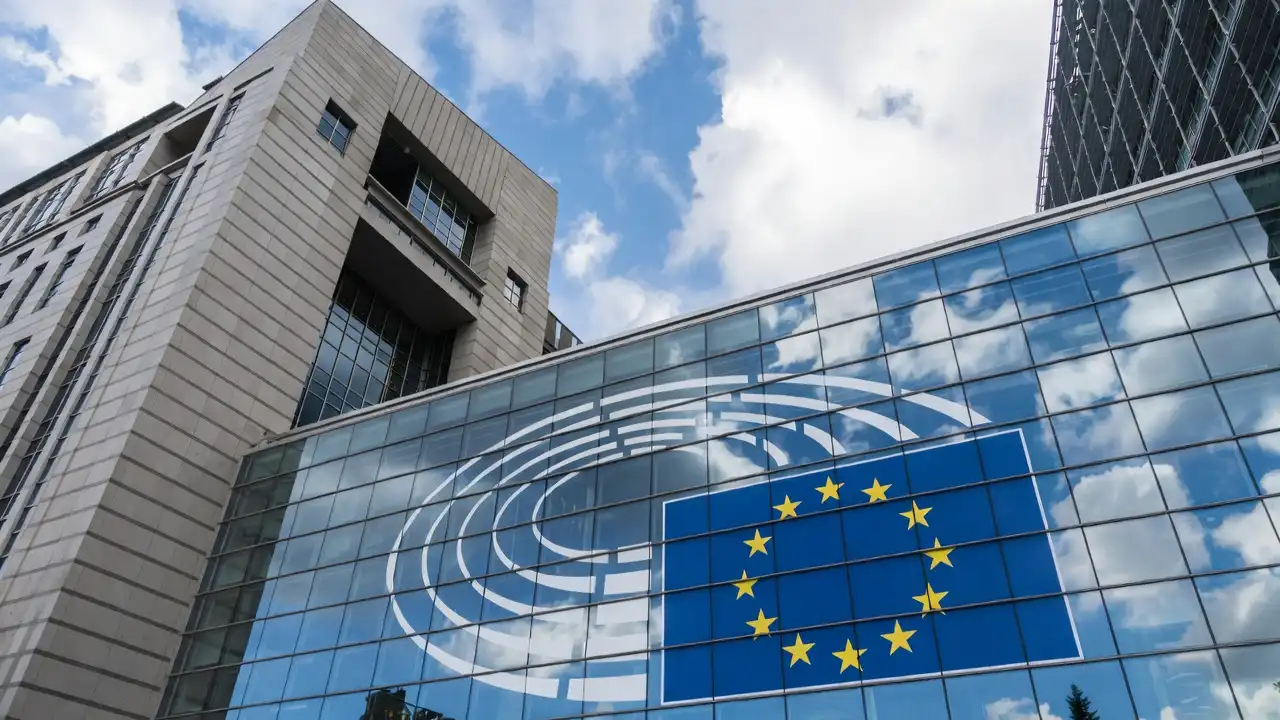
European lawmakers just fired the starting gun for a massive political battle over money. The European Parliament officially adopted its firm stance on the next long-term budget for the European Union. Covering the 2028 to 2034 spending cycle, lawmakers want a 10% overall increase. This massive hike would add nearly 200 billion euros to the financial pot.
The parliament approved this aggressive starting position with a strong majority. The final tally showed 370 votes in favor, 201 against, and 84 abstentions. Last July, the European Commission pitched a massive 2-trillion-euro baseline for these negotiations. Now, the parliament wants to push that number even higher, setting up a brutal clash with national governments that hate spending more money.
Lawmakers also drew a hard line on old debts. Back in 2020, the European Union issued joint debt to create the Next Generation EU fund, which helped countries survive the economic shock of the COVID-19 pandemic. Today, the parliament demands that leaders keep the repayment of this specific debt entirely outside of the standard budget framework.
This ambitious proposal puts the parliament on a direct collision course with the 27 member states. National governments despise increasing their financial contributions to the multiannual financial framework. They will soon present their own strict budget limits before interinstitutional negotiations officially kick off. Because both the parliament and the member states must approve the final figures, experts expect a brutal, drawn-out fight.
Parliament leaders promise not to back down this time. President Roberta Metsola warned national governments never to underestimate the parliament during these money talks. Other political leaders echoed her fierce attitude. They vowed to resist any attempts by national leaders to force a quick and cheap deal.
Iratxe Garcia Perez, the president of the Socialists and Democrats group, delivered a blunt warning to the European Council. She stated that anyone who thinks national leaders can simply agree on a budget behind closed doors and impose it through phone calls does not understand how the current parliament operates. Lawmakers refuse to act as mere rubber stamps.
Historically, the parliament usually caves to pressure from member states when the final budget deadline approaches. However, internal sources say things look very different this year. The centrist majority holds a much slimmer lead than in previous terms. Meanwhile, a growing number of far-right lawmakers actively want to derail the entire deal. Because of this fragile balance, even a few defections could tank the budget, giving the parliament real leverage to reject spending cuts.
To bridge the massive gap between what Europe wants to spend and what countries want to pay, lawmakers propose a creative solution. They want to rely heavily on their own resources, which act as direct taxes collected by the European Union itself. The Commission previously proposed five new taxes and changes to three existing ones. Together, these new levies would generate roughly 58.2 billion euros every single year.
These proposed taxes target specific industries and activities. The European Union would collect money directly from greenhouse gas emissions and place a special border tax on dirty imports. The plan also includes new levies on electronic waste and tobacco products. Finally, the union would tax large corporations with an annual net turnover of at least 100 million euros.
An internal parliament official explained the raw political strategy behind these taxes. The specific type of tax matters less than the result. If the European Union collects its own money, member states can fund European projects without asking their local taxpayers to increase their national contributions. This clever workaround might convince reluctant national leaders to accept the larger budget.
If the parliament secures this 10% increase, the money will flow into three main priority areas. The Competitiveness Fund will receive a large chunk of funding to help European businesses compete with global rivals. The Horizon Europe program will fund vital research, education, and tech innovation. Finally, Global Europe will pay for external security, humanitarian aid, and infrastructure projects in foreign countries.
While lawmakers demand more money, they strongly oppose how the Commission wants to spend it. The Commission proposed creating national plans that would give countries more flexibility in distributing funds locally. The parliament heavily criticized this idea. Lawmakers warned that giving member states too much flexibility destroys transparency and makes it impossible to track where the money actually goes. They demand strict budget oversight to protect European taxpayers from fraud and waste.