Key Points:
- The European Union agreed to start a digital dialogue with Washington after months of heavy political pressure.
- The Trump administration demands that Brussels loosen regulations on major American technology companies operating in Europe.
- Washington refuses to drop its harsh 50% tariffs on European steel and aluminum until the digital rules change.
- Both sides share deep concerns about China flooding the global market with 720 million tonnes of excess steel.
European Union Trade Commissioner Maroš Šefčovič recently returned from a critical diplomatic trip to Washington. Following several days of intense discussions with American officials, he announced that Brussels had agreed to open a brand new digital dialogue with the United States. This decision comes after months of intense pressure from American leaders who want Europe to change its approach to technology regulation fundamentally.
Under the current Trump administration, the White House has repeatedly demanded that Brussels scale back its major digital rules. American officials firmly believe the European Union designed these tech laws specifically to act as unfair barriers for major American technology companies operating overseas. They view the current digital policies as highly discriminatory against American businesses and want them gone.
The core of the transatlantic dispute centers around two major European laws. The Digital Services Act focuses heavily on removing illegal content from the internet, while the Digital Markets Act aims to stop massive technology companies from abusing their market dominance. So far, the European Commission has completely refused to reopen or alter these flagship laws. European leaders insist the rules exist only to protect everyday consumers and guarantee fair economic competition.
Šefčovič made the European position very clear during a recent interview with Euronews. He stated that European officials cannot simply hand over their legislation or rewrite established laws just because Washington asks them to. However, he emphasized that Brussels remains fully ready to sit down and talk through the issues. He noted that both sides urgently need a dedicated channel to discuss these modern digital challenges.
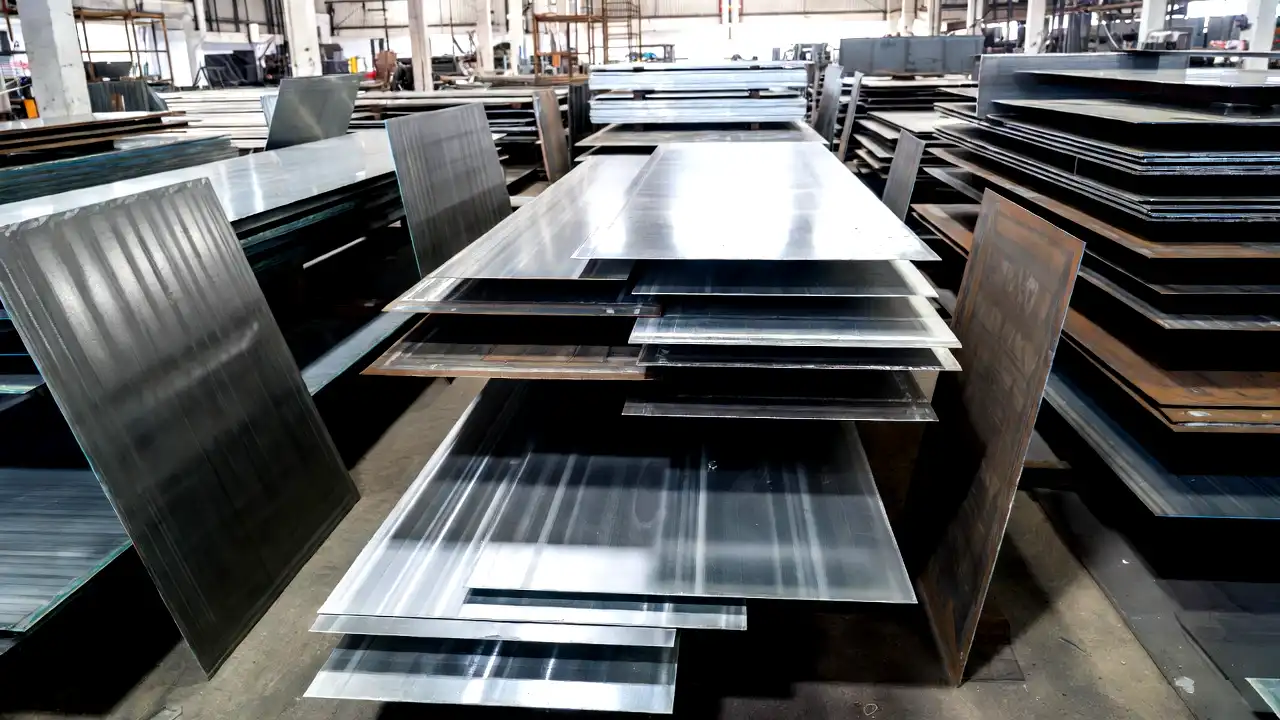
Washington decided to play hardball to get exactly what it wants. The White House explicitly made easing European tech rules a strict condition before it would even consider reducing American tariffs on European steel and aluminum. Right now, these imported metals face a massive 50% punitive tariff. The United States implemented this punishing rate in June 2025 and has flatly refused to lift it.
This ongoing metal dispute frustrates European manufacturers immensely. Last summer, both sides successfully negotiated a much broader trade deal that set American tariffs on most European goods at a much lower rate of 15%. However, negotiators completely excluded steel and aluminum from that summer agreement. Now, the European heavy metals industry desperately urges political leaders to resolve the issue and remove the prohibitive 50% tax rate.
Despite the stubborn tariff standoff, Šefčovič tries to focus on shared goals regarding digital regulation. He pointed out that the European Union and the United States actually share very common tasks in several key areas. For example, both governments want to ensure better online safety and maintain fair competition. He asked what parents actually want appearing on screens for their children, suggesting both nations want the same digital protections.
Over the past few months, the European Union shifted its overall strategy regarding American tech companies. Instead of focusing heavily on imposing massive financial fines on technology giants, European regulators now emphasize areas for potential cooperation. They hope this softer approach will ease tensions with Washington and create a better business environment.
The format for these discussions will look very different moving forward. Šefčovič noted that Washington shows absolutely no interest in reviving the old European Union-United States Trade and Technology Council. The previous Biden administration established that specific council to handle trade disputes. Under the Trump administration, the council became completely obsolete. American officials no longer want a formal structure and strongly prefer direct talks to handle specific issues one by one.
Even as Europe shows a willingness to discuss digital issues, Washington refuses to budge on the metal tariffs. Steel and aluminum topped the agenda during last week’s meetings, but the talks yielded no progress. Šefčovič frankly admitted to Euronews that a clear problem still exists between the two close allies.
To break the deadlock, the European trade chief pitched the idea of a steel ring to his American counterparts. The two sides already agreed to cooperate on critical minerals during the visit. Šefčovič argued that a dedicated steel ring represents the best possible solution for everyone involved. He stressed that Europe and the United States do not actually have a problem with their mutual steel trade. Instead, both nations face a massive problem with excessive production capacity crashing global markets.
The numbers highlight the sheer scale of the global problem. Šefčovič pointed out that the world currently faces 720 million tonnes of excess steel capacity. To put that massive number into perspective, total European consumption is only 140 million tonnes. China remains the largest source of this overcapacity in both the European and American markets.
Chinese overproduction actually drove President Donald Trump to impose his sweeping metal tariffs in the first place. The European Union responded to the Chinese flood by using new tariffs and quotas to cut imports into the bloc by half. Since both sides face the same threat from China, Šefčovič insists they need to work together rather than punish each other.