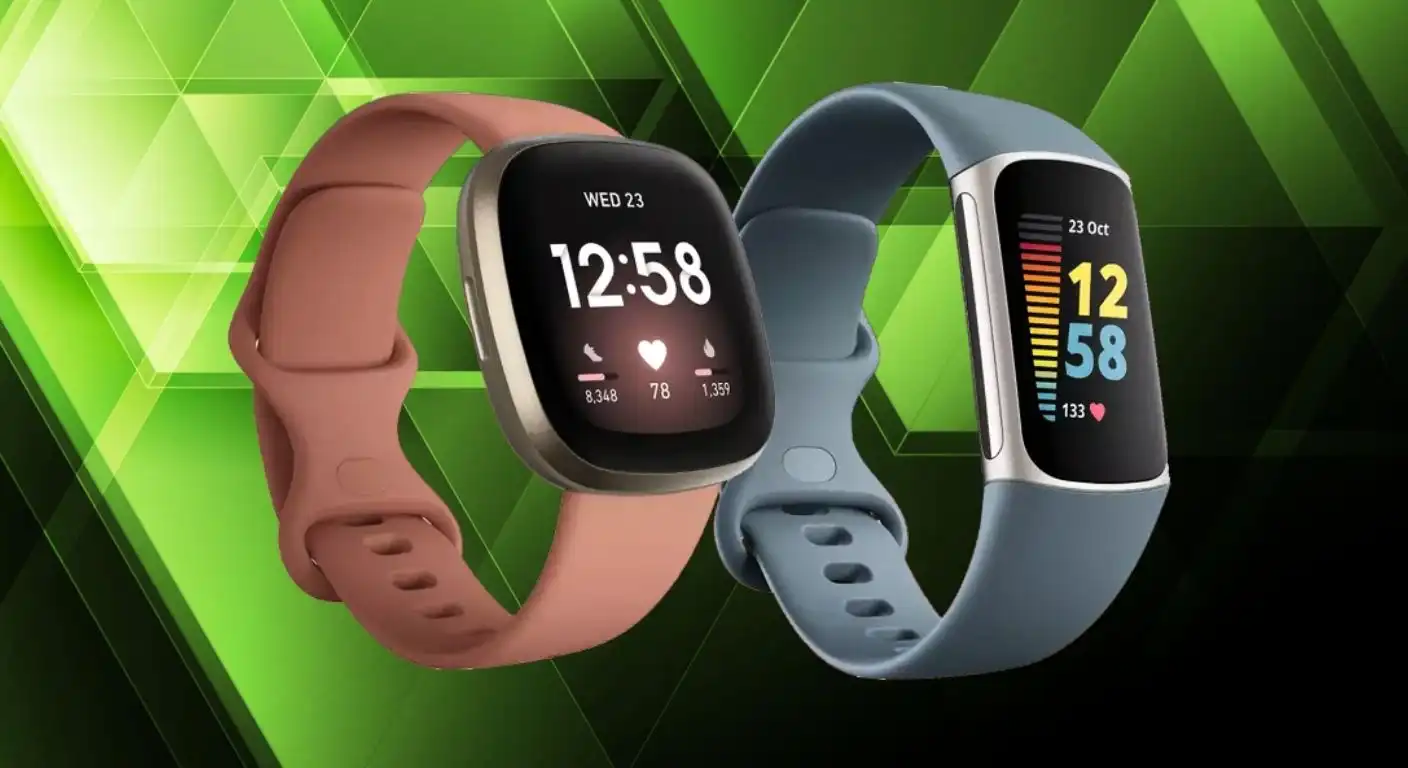
The landscape of wearable technology shifted dramatically when Google acquired Fitbit. For years, Fitbit was synonymous with “step counting,” but its integration into the Google ecosystem has transformed these devices into smarter, more connected health tools. Today, the product line is anchored by two distinct heavyweights: the smartwatch-style Fitbit Sense 2 and the dedicated fitness tracker, the Fitbit Charge 6.
While the Apple Watch and Galaxy Watch dominate the general smartwatch market, Fitbit has doubled down on what it does best: battery life, sleep tracking, and holistic health data. In this review, we analyze how Google’s influence has refined these devices and help you decide whether the advanced sensors of the Sense 2 or the compact efficiency of the Charge 6 is right for you.
The Google Transition: What Has Changed?
Since the acquisition, Google has been gradually integrating Fitbit’s hardware with its software, resulting in a user experience that feels more modern and integrated. Long-time users will notice that the interface has been refreshed to align with Google’s “Material You” design language, making navigation smoother and visuals punchier.
The most significant changes, however, are found in the utility features now available on your wrist. Google has injected its core services directly into the Fitbit operating system, closing the gap between a “tracker” and a “smartwatch.”
- Google Maps Integration: You can now receive turn-by-turn navigation alerts directly on your wrist, a massive benefit for runners and cyclists.
- Google Wallet: Fitbit Pay has largely been replaced or augmented by Google Wallet, which offers broader support for banks and transit systems worldwide.
- Unified Account: New users now sign in with a single Google Account, streamlining data security and device management.
Fitbit Sense 2: The Holistic Health Watch
The Fitbit Sense 2 is the company’s flagship “health watch,” designed for users who want deep insights into their cardiovascular health and stress levels. It maintains the “squircle” chassis of its predecessor but refines the build quality to be thinner, lighter, and significantly more comfortable for sleep tracking.
Design and Interface
The Sense 2 corrects the biggest complaint of the original model by reintroducing a physical side button. This tactile button makes navigating menus during a sweaty workout significantly easier than the previous, finicky solid-state sensor.
- Premium Build: The device features a sleek aluminum bezel and a bright, crisp AMOLED display that is easily readable in direct sunlight.
- Physical Button: The return of a clickable button ensures reliable navigation, eliminating accidental touches or unresponsiveness.
- Slim Profile: It sits lower on the wrist than most smartwatches, making it less obtrusive when worn with long sleeves or while sleeping.
Advanced Sensors and Stress Tracking
The Sense 2 is marketed as a stress-management device that uses a dedicated cEDA (continuous electrodermal activity) sensor. This sensor monitors microscopic changes in sweat levels on your skin throughout the day to detect body response to stress, prompting you to log your mood or take a breathing break.
- Body Response Sensor (cEDA): Actively monitors stress markers and prompts interventions when you are feeling overwhelmed.
- ECG App: Allows users to take on-demand atrial fibrillation assessments to share with their doctor.
- Skin Temperature Sensor: Tracks nightly variations in skin temperature, which can be an early indicator of illness or menstrual cycle changes.
Fitbit Charge 6: The Best Tracker, Period
For those who do not want a “second screen” on their wrist, the Fitbit Charge 6 remains the gold standard of dedicated fitness trackers. It retains the classic band form factor but receives the most significant software injection from Google, making it the smartest tracker Fitbit has ever released.
Form Factor and Usability
The Charge 6 is designed to be set and forgotten, disappearing on your wrist until you need it. It is lightweight and durable, with a haptic side button that provides satisfying feedback as you navigate the small but vibrant color touchscreen.
- Compact Design: The narrow profile is perfect for people who wear traditional mechanical watches on the other wrist or prefer a discreet look.
- Haptic Side Button: Like the Sense 2, the Charge 6 utilizes a physical interaction point to ensure the touchscreen isn’t the only way to control the device.
- 7-Day Battery Life: Despite the color screen and sensors, the Charge 6 easily lasts a week on a single charge, blowing most smartwatches out of the water.
The “Google” Boost
Surprisingly, the Charge 6 offers connectivity features that rival much more expensive devices. It is the only fitness tracker in its class that effectively bridges the gap to smartwatch territory without the bulk.
- YouTube Music Controls: A major win for gym-goers, you can now control playback (Play, Pause, Skip) of YouTube Music directly from the tracker.
- Heart Rate Broadcasting: You can beam your heart rate from the Charge 6 directly to compatible gym equipment (like Peloton or NordicTrack).
- Google Essentials: Includes full support for Google Maps turn-by-turn directions and Google Wallet payments.
The Fitbit App and Premium Subscription
Regardless of which device you choose, the data all flows into the Fitbit App, which remains one of the most user-friendly health dashboards on the market. However, it is important to note that to unlock your device’s full potential, Fitbit pushes its “Premium” subscription service.
While the free version gives you excellent daily stats, sleep scores, and activity tracking, the Premium tier unlocks the deeper analytical context.
- Daily Readiness Score: An algorithm that analyzes your sleep and activity to tell you if you should push hard at the gym or take a recovery day.
- Sleep Profile: A monthly analysis that assigns you a “sleep animal” and gives detailed insights into your long-term sleep habits.
- Advanced Mindfulness: Access to a massive library of meditation tracks, workout videos, and nutrition recipes.
Pros and Cons
Fitbit occupies a unique middle ground between basic budget trackers and high-end smartwatches like the Apple Watch Ultra. Before buying, it is essential to weigh the exceptional battery life and health focus against the lack of third-party apps.
Pros
- Battery Life: Both the Sense 2 (6+ days) and Charge 6 (7 days) offer battery performance that removes the anxiety of nightly charging.
- Sleep Tracking: Fitbit’s sleep algorithms are widely considered the industry benchmark for accuracy and actionable data.
- Cross-Platform: Unlike the Apple Watch, Fitbit devices work seamlessly with both Android and iOS smartphones.
Cons
- Fitbit Premium Paywall: Locking advanced data like the Daily Readiness Score behind a monthly subscription can feel frustrating after buying the hardware.
- Limited Smart Features: You cannot download third-party apps, and oddly, the Sense 2 dropped support for Google Assistant (supporting only Alexa), which is a confusing omission.
- No Music Storage: Neither device allows you to store music offline; they only control music playing on your phone.
Comparison: Which One Should You Buy?
Choosing between the Sense 2 and the Charge 6 ultimately comes down to how much information you want to see at a glance. Both devices share the same core heart rate tracking algorithms and Google integrations, so you aren’t sacrificing data accuracy with the cheaper model.
Choose the Fitbit Sense 2 if:
- You want a larger screen for reading notifications and texts.
- Stress management and heart health (ECG) are your top priorities.
- You prefer the smartwatch aesthetic but want better battery life than an Apple or Galaxy Watch.
Choose the Fitbit Charge 6 if:
- You want a device that is lightweight, discreet, and comfortable for 24/7 wear.
- You primarily care about steps, heart rate, and sleep tracking.
- You want the most cost-effective way to get Google Maps and Wallet on your wrist.
Conclusion
Fitbit by Google has successfully navigated the transition period, resulting in hardware that feels more polished and capable than ever. The Sense 2 remains a top-tier choice for the health-conscious user who wants detailed body metrics, while the Charge 6 is undeniably the best dedicated fitness tracker on the market today.
If you can look past the Premium subscription model, Fitbit offers a user experience that prioritizes health and longevity over flashy apps and notifications. For those who want to focus on their well-being without being tethered to a charger every night, Fitbit remains the king.