Key Points:
- Taiwanese electronics giant Foxconn successfully launched two new low-Earth orbit satellites into space on Sunday.
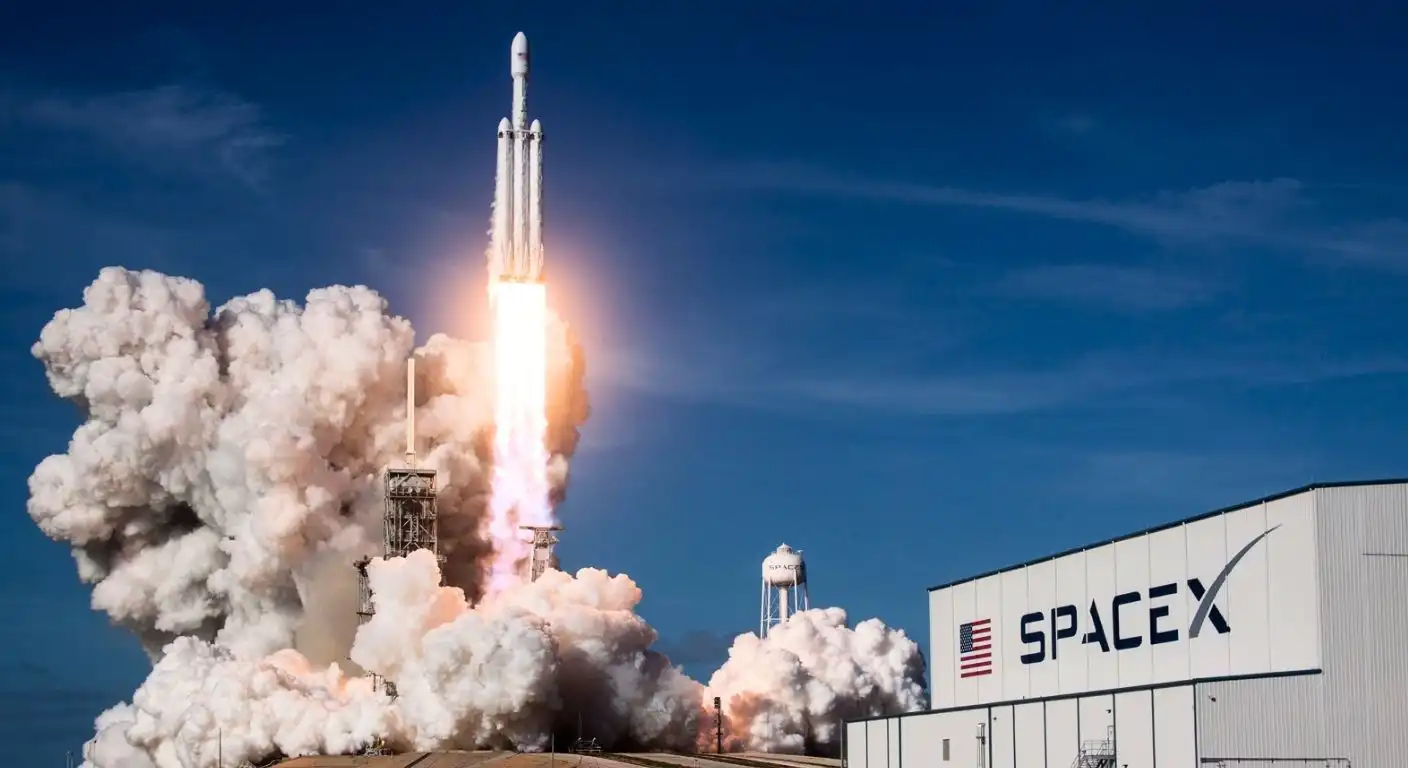
- A SpaceX Falcon 9 rocket carried the PEARL-1A and PEARL-1B satellites from a launch pad in California.
- Both satellites will orbit the Earth for 5 years to test new communication and space science technologies.
- The mission highlights the company’s effort to expand beyond smartphone manufacturing and enter the global space industry.
Foxconn, the massive manufacturing company famous for building iPhones, is officially taking its ambitions to the stars. The Taiwan-based tech giant announced on Sunday that it successfully launched its second-generation low-Earth orbit satellites. A SpaceX Falcon 9 rocket carried the equipment into space from a launch facility in California. This launch marks a major milestone for the company as it pushes far beyond traditional consumer electronics.
The company named the two new satellites PEARL-1A and PEARL-1B. Mission controllers confirmed that both pieces of hardware successfully entered their intended orbits shortly after leaving the launch pad. These satellites will stay in space for a planned mission lasting exactly 5 years. During this time, they will conduct a variety of tests as they orbit the planet at high speed.
Foxconn engineers designed these specific satellites to serve a very practical purpose. The primary goal is to verify new payload technologies in the real, harsh environment of space. Teams on the ground will test advanced communication tools and gather data for space science research. By testing these components directly in orbit, the company can figure out what works and what needs improvement before mass-producing future models.
Low-Earth orbit satellites sit much closer to the ground than traditional communication satellites. Because they fly at a lower altitude, they can send and receive data with much less delay. This makes them perfect for providing high-speed internet to remote areas and improving global communication networks. Companies around the world are currently racing to build and launch these types of satellites, and Foxconn clearly wants a piece of that growing market.
To get their hardware off the ground, Foxconn partnered with SpaceX. The Elon Musk-led aerospace company provided its reliable Falcon 9 rocket for the journey. The Falcon 9 has a strong track record of delivering commercial payloads safely into orbit. Using a California launch site allowed the teams to perfectly time the trajectory needed to get the PEARL satellites exactly where they needed to go.
For decades, people have known Foxconn mainly as the company that puts together devices for Apple and other major tech brands. However, the electronics manufacturer wants to change that image. The company’s leadership recently began investing heavily in new industries. They want to find new ways to make money as the global demand for smartphones slowly levels off.
This space launch fits perfectly into their new business strategy. In addition to building satellites, Foxconn is spending billions of dollars to enter the electric vehicle market. They want to manufacture cars and car parts for global automakers. Adding space technology to their portfolio demonstrates they have the engineering talent to handle highly complex, futuristic projects.
Manufacturing equipment for space requires a completely different approach from that used to build a standard cell phone. Engineers must ensure that every single component can withstand extreme temperature fluctuations and high levels of radiation. If a phone breaks, a customer can easily take it to a repair shop. If a satellite breaks while orbiting the Earth, nobody can go up there to fix it. Foxconn has to prove that its factories can meet these incredibly strict durability standards.
The financial potential of the space economy is massive. Industry experts expect the global space market to generate over $1 trillion in revenue over the next decade. By launching these two test satellites now, Foxconn positions itself early to win lucrative manufacturing contracts later. The company already knows how to produce electronics more cheaply and faster than almost anyone else, giving it a huge advantage as the commercial space race accelerates.
As the PEARL-1A and PEARL-1B begin their 5-year journey, the company will carefully monitor the results. The data they collect over the next few months will shape their next generation of hardware. If these communication tests succeed, Foxconn could eventually start building thousands of satellites for other telecommunication companies, using their massive factories to dominate yet another global supply chain.