
Key Points:
- The French Navy, with support from the United Kingdom, boarded and detained the sanctioned Russian oil tanker Tagor in the Atlantic Ocean.
- The high-seas operation targeted a vessel violating international maritime law to fund Russia’s ongoing war against Ukraine, which has lasted over four years.
- This detention marks the latest phase of a coordinated European crackdown on Russia’s “shadow fleet” of sanction-evading merchant ships.
- The interception occurs as the European Union negotiates its 21st sanctions package and considers freezing the Russian oil price cap at $44.10 per barrel.
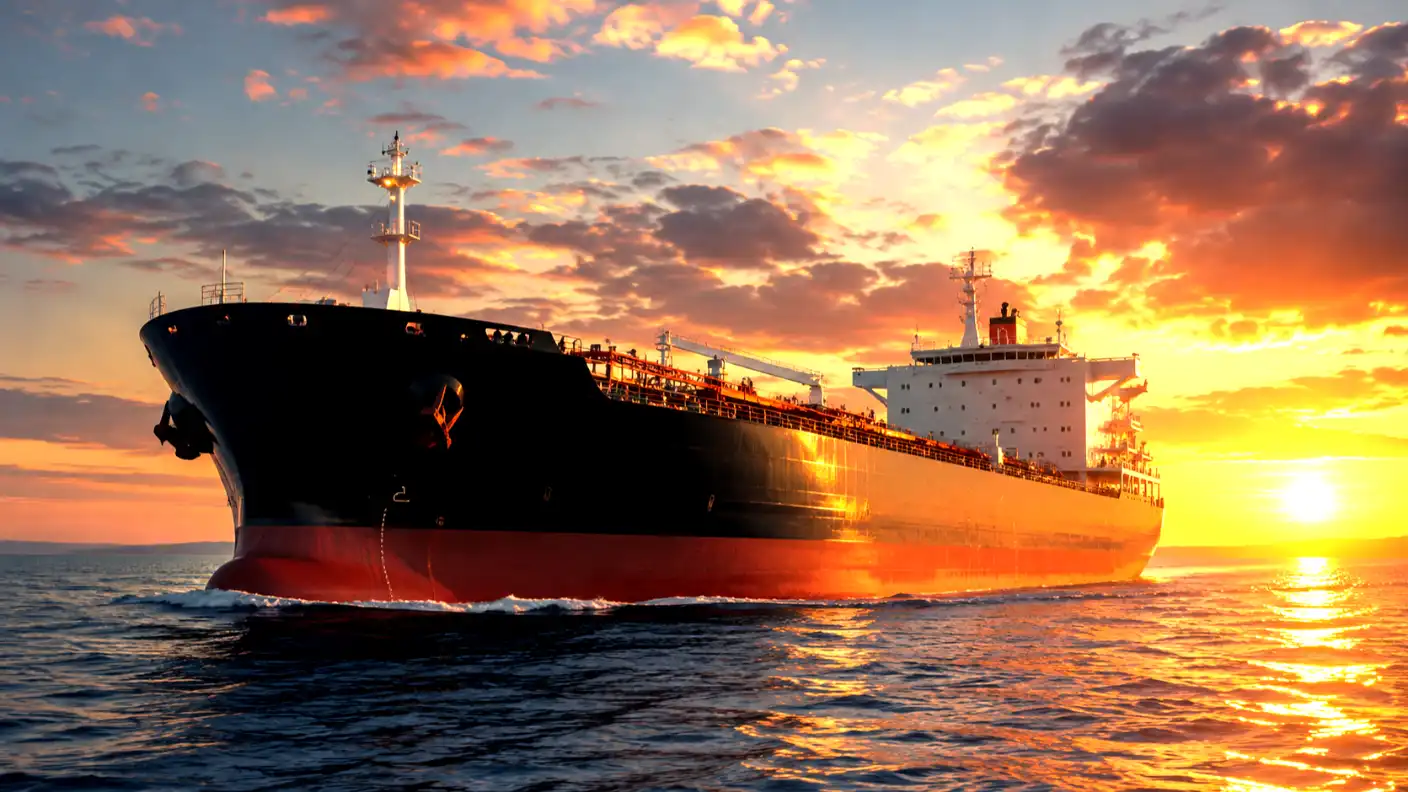
French naval forces have conducted a high-stakes maritime interception at sea, detaining another merchant vessel linked to Russia’s illicit energy trade. On Monday, June 1, 2026, French President Emmanuel Macron announced that the French Navy had boarded and seized the oil tanker “Tagor” in the international waters of the Atlantic Ocean over the weekend. The tactical operation, carried out in the early morning hours of Sunday, May 31, targeted a vessel subject to strict international sanctions that had recently departed from a Russian port. This aggressive enforcement move signals Europe’s hardening stance against the maritime networks that Moscow uses to bypass Western financial trade restrictions.
The high-seas interception was not a solo endeavor but rather a highly coordinated allied mission. Macron confirmed that the French Navy executed the boarding operation with direct operational support from several international partners, including the United Kingdom. Working in strict compliance with the international law of the sea, the allied naval forces successfully intercepted, searched, and diverted the Tagor without any reported maritime incidents. This close cross-channel collaboration highlights how European defense forces are pooling their naval assets and intelligence networks to tighten the physical blockade on Russia’s illicit maritime supply chains.
Following the successful operation, President Macron took to social media to reiterate Europe’s unwavering commitment to sanctions enforcement. “It is unacceptable for ships to bypass international sanctions, violate maritime law, and finance the war that Russia has been waging against Ukraine for more than four years,” Macron wrote on X, sharing a video of the naval intervention. He emphasized that these vessels, which routinely operate outside standard maritime safety frameworks, do more than fund military aggression; they also pose severe environmental and physical safety risks to the global commons by disregarding basic navigational rules.
The Tagor is part of a massive, loosely organized network of aging merchant vessels known colloquially as Russia’s “shadow fleet.” This fleet consists of hundreds of older, poorly maintained tankers that operate under obscure corporate ownership and frequently change their names, flags, and registrations to evade detection. Because these vessels often decline to carry standard international maritime insurance and routinely disable their automatic identification system (AIS) transponders to hide their locations, they present a constant danger of devastating oil spills on the high seas. By targeting these individual vessels, Western navies aim to make the shadow fleet’s operations financially and logistically unviable.
This latest seizure represents a continuation of a systematic French naval campaign against sanction-evading shipping. Earlier this year, in January 2026, the French Navy carried out a similar high-seas operation in the Mediterranean, boarding and searching another suspected shadow-fleet oil tanker, identified as the “Grinch.” During that Mediterranean intervention, French authorities detained the vessel under suspicion of flying a false flag and violating international sanctions before escorting it to a secure anchorage for detailed physical inspections. Allied forces have also targeted other vessels, such as the “Deyna,” proving that European navies are actively patrolling both northern and southern trade corridors to intercept illicit cargoes.
The timing of Tagor’s detention aligns perfectly with intense diplomatic negotiations in Brussels over the European Union’s upcoming 21st sanctions package. This new round of economic penalties seeks to close lingering loopholes in previous trade restrictions and explicitly expand the blacklist of shadow fleet tankers. Since the start of the conflict, the EU has banned over 100 individual tankers from entering European ports or utilizing Western maritime services. By combining these legislative blacklists with active naval boardings, European policymakers are demonstrating that they will back up their regulatory decrees with hard physical enforcement on the high seas.
The battle over Russian oil transport has become even more critical due to escalating geopolitical tensions in the Middle East. The ongoing regional war, now in its fourth month, has severely disrupted global energy supplies and effectively closed the strategic Strait of Hormuz, driving crude oil prices sharply higher. This price surge has created a major policy dilemma for the EU regarding its dynamic Russian oil price cap. Under current rules, the cap resets automatically every six months to remain 15% below the average market price of Russian Urals crude. However, because global prices have risen, this automatic formula would push the price cap from its current $44.10 per barrel to at least $65 per barrel in July, handing Moscow a massive profit windfall.
To prevent this financial windfall, EU diplomats are debating whether to temporarily freeze the price cap at $44.10 per barrel or suspend automatic increases until the end of the year. Keeping the cap artificially low would restrict Russia’s oil revenues. Still, it would also widen the gap with market prices, giving Russian exporters an even stronger incentive to use the shadow fleet to sell oil above the cap. Under the price cap rules, European companies cannot insure or transport oil sold above the limit. Therefore, if the EU freezes the cap, the demand for unregulated shadow tankers like the Tagor will likely skyrocket, making active naval enforcement even more necessary.
Ultimately, the boarding of the Tagor on the Atlantic high seas illustrates the physical reality of the global economic war against Russia. As diplomatic officials in Brussels and Washington debate price caps, insurance bans, and corporate blacklists, the burden of enforcing these rules falls on the shoulders of naval service members patrolling international waters. By taking direct action against the shadow fleet, France and the United Kingdom are sending a clear signal that the high seas will no longer serve as a safe, unregulated sanctuary for sanction-busting trade. The coming months will reveal whether these aggressive physical interventions can successfully starve Russia of its critical oil revenues or if the shadow fleet will continue to adapt to Western pressure.