

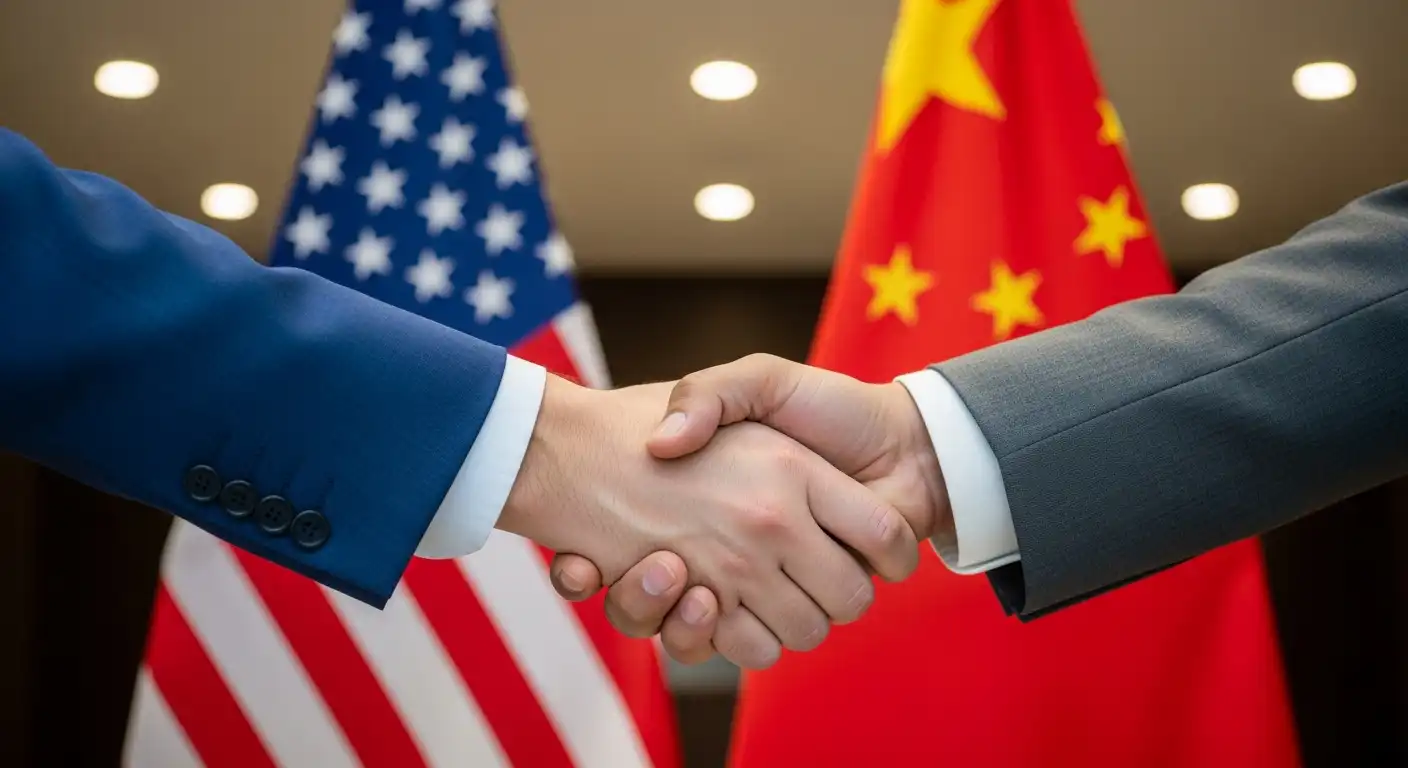
Technology is no longer just about business; it’s a central battleground in the geopolitical competition between the United States and China. The U.S. is using export controls and sanctions to slow China’s technological advancement, particularly in strategic areas like semiconductors and AI. This “tech war” has profound implications for investors, creating both risks and opportunities across the global technology landscape.
The Semiconductor Choke Point
The most critical front in this conflict is the semiconductor industry. The U.S. has implemented strict controls preventing China from accessing the most advanced chips and the equipment needed to make them. This directly impacts American companies like NVIDIA (NVDA), which can no longer sell its top-tier AI chips to Chinese customers. It also hurts equipment makers like Lam Research (LRCX) and Applied Materials (AMAT).
China’s Push for Self-Sufficiency
In response to U.S. restrictions, China is pouring massive amounts of government funding into building its domestic semiconductor industry. The goal is to become self-sufficient and no longer reliant on Western technology. This is a monumental and expensive task that will take many years. While it creates long-term risk for Western companies, it also creates opportunities for Chinese domestic champions.
De-Risking, Not Decoupling
Companies are not completely pulling out of China, but they are actively “de-risking” their supply chains. A prime example is Apple (AAPL), which for years relied almost exclusively on China for its iPhone manufacturing. Now, Apple is aggressively moving parts of its production to other countries like India and Vietnam. This reduces its dependence on a single country and mitigates geopolitical risk.
The Investment Implications
This new reality forces investors to think globally. The risk is that a U.S. tech company could suddenly lose access to the massive Chinese market due to a new government regulation. The opportunity lies in companies benefiting from the “friend-shoring” trend, as manufacturing and investment shift to countries allied with the U.S. This trend also highlights the risk of investing in Chinese tech stocks, which face both U.S. restrictions and a heavy-handed government at home.
How to Position Your Portfolio
Diversification is the best defense. Avoid being overly concentrated in companies with significant revenue exposure to China, especially in sensitive sectors like semiconductors. Consider investing in companies that are key players in the reshoring or friend-shoring of supply chains. And be aware that headline risk from U.S.-China tensions can cause significant volatility in tech stocks at any moment.
Conclusion
The era of globalization, where technology was borderless, is over. The strategic competition between the U.S. and China has fundamentally changed the tech investment landscape. Understanding the key battlegrounds, such as semiconductors, and the resulting trends, such as supply chain diversification, is now essential for navigating the risks and opportunities in the sector.






