Key Points:
- The US dollar and Swiss franc gained strength immediately.
- Oil prices threaten to spike toward eighty dollars soon.
- Tanker traffic through the critical Strait of Hormuz stopped.
- Saudi Aramco stock jumped more than three percent on Sunday.
Global investors face a rocky week as the escalating conflict in the Middle East tests market stability. Recent military strikes involving the United States, Israel, and Iran forced traders to rethink their financial strategies.
Currency markets showed early signs of fear. The US dollar and the Swiss franc pushed higher as people sought safe places for their cash. Meanwhile, riskier currencies like the Australian dollar took a noticeable hit.
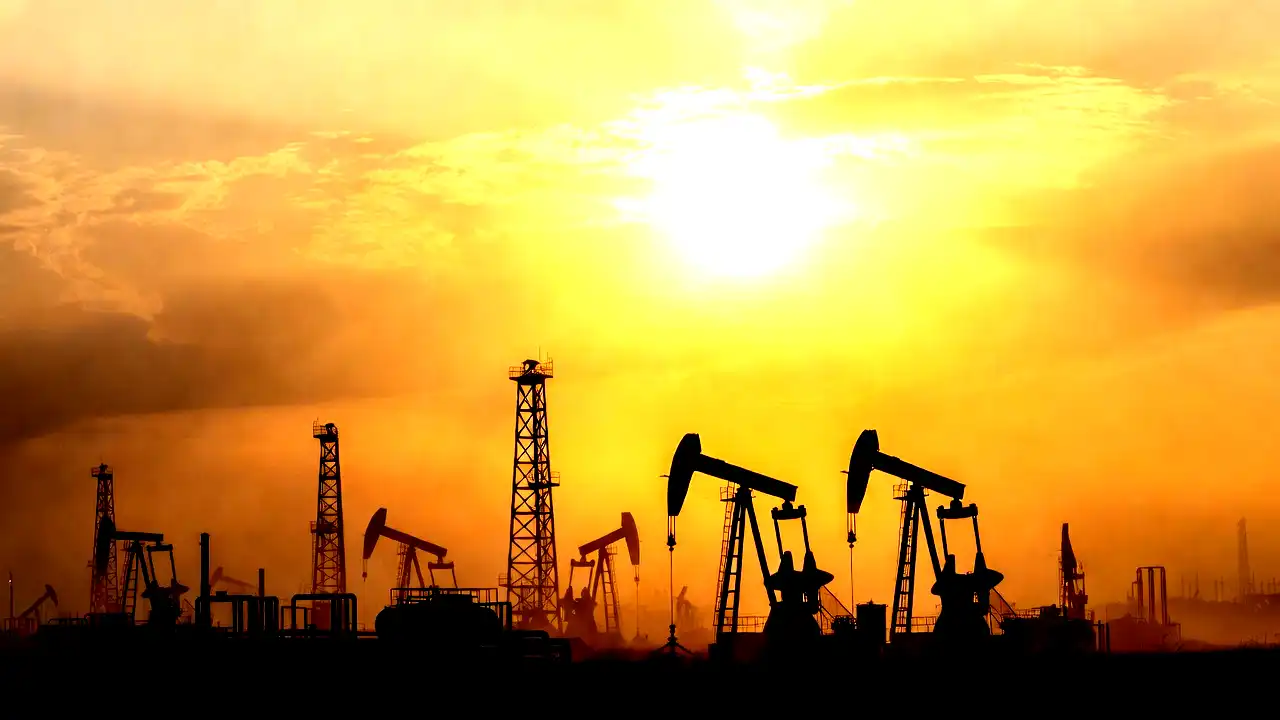
Oil remains the biggest concern for everyone watching the markets right now. Brent crude closed near seventy two dollars a barrel on Friday. Experts warn that a prolonged fight could push crude to eighty dollars. If the Strait of Hormuz closes, prices might soar past one hundred dollars.
Shipping data shows major disruptions are already taking place globally. Digital trackers reveal that oil tanker traffic through the Strait of Hormuz has nearly stopped. Attackers recently hit three ships near the Persian Gulf. This waterway handles one-fifth of the world’s oil.
This energy shock arrives at a terrible time. Markets feel fragile due to high stock valuations and worries about artificial intelligence. Higher oil prices act like a heavy tax on the economy and drive inflation higher.
Middle East markets reacted poorly. Indexes in Saudi Arabia and Egypt slid over two percent. However, energy companies bucked the trend. Shares of Saudi Aramco surged more than three percent, recording their biggest jump in four months.
Bond markets also face a tug of war. Investors usually buy government bonds during a crisis, driving yields down. Yet, if oil prices stay high and create inflation, yields will shoot back up.