Key Points:
- Honda pushed back the launch of its advanced artificial-intelligence self-driving system by one year to 2028.
- The automaker recently canceled three planned electric vehicle models in North America due to slowing market demand.
- Engineers will now install the autonomous technology into hybrid cars, starting with the Vezel sport utility vehicle in Japan.
- Competitors like Tesla and Nissan continue to race forward with their own self-driving systems for 2027 and beyond.
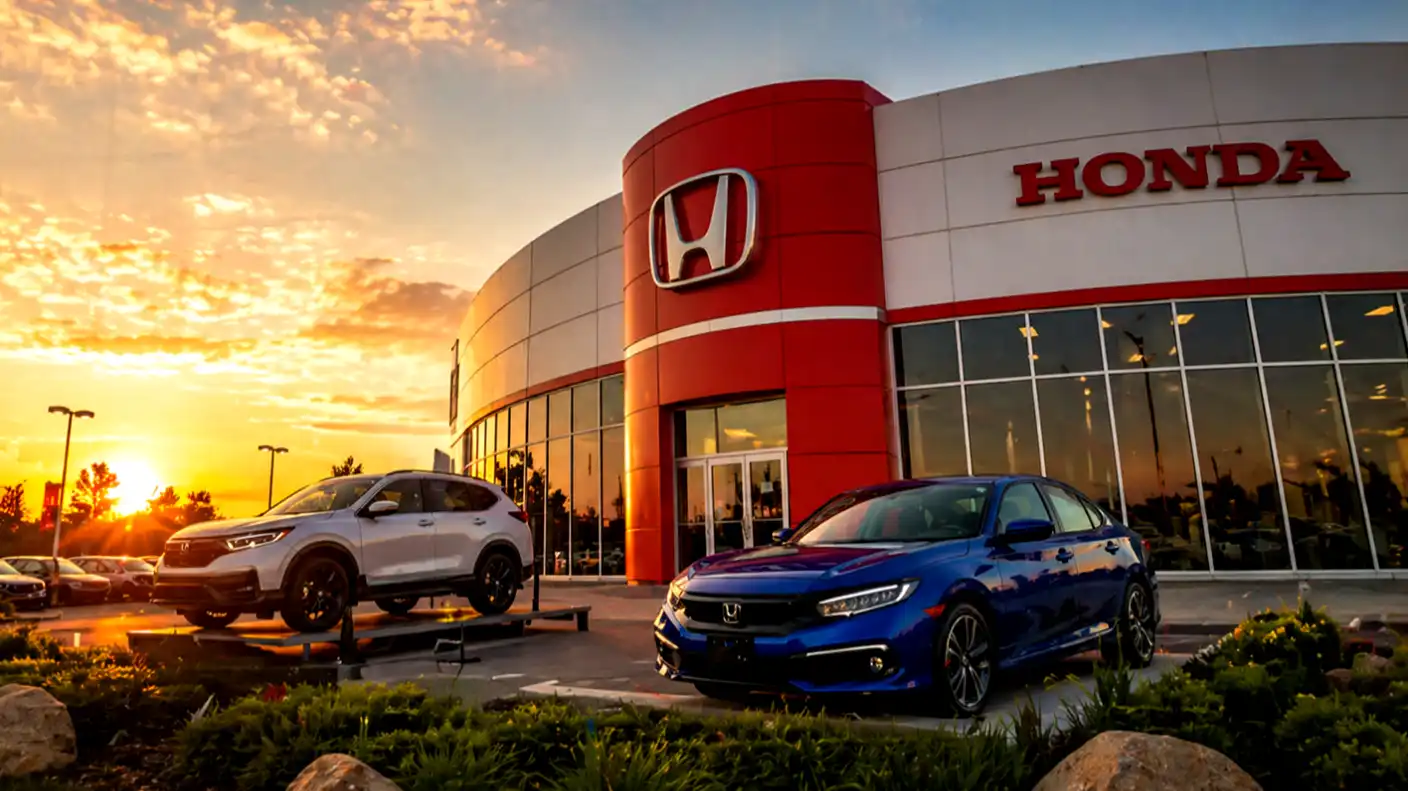
Honda Motor Company just changed the timeline for its self-driving future. The second-largest Japanese automaker originally planned to launch its advanced artificial intelligence self-driving technology in 2027. Now, an internal company source says Honda will delay the highly anticipated rollout until 2028. This major decision comes shortly after the company scrapped its plans to build three new electric cars for the North American market.
Over the past year, the global automotive industry experienced a massive shift in consumer behavior. Demand for fully electric vehicles slowed significantly worldwide. Buyers worry about high sticker prices, limited driving ranges, and a severe lack of reliable public charging stations. Because of this sudden slowdown, Honda announced in March that it would completely cancel the development of three distinct electric vehicle models destined for North American drivers.
Honda originally intended to debut its cutting-edge artificial intelligence systems exclusively inside those exact electric cars. Since those three vehicles will no longer be produced, executives had to find a completely new home for their self-driving software. Instead of abandoning the expensive project, the company pivoted its business strategy to match current consumer buying habits.
As part of its revised plan, Honda will now introduce the self-driving technology in its highly popular hybrid vehicles. Gas-electric hybrids are currently experiencing a massive surge in global sales because they offer excellent fuel economy without the anxiety of finding a charging station. The company source revealed that Japanese buyers will get the very first taste of this technology. Honda will install the new system in the hybrid version of its Vezel sport utility vehicle for the domestic Japanese market.
The engineering team at Honda continues to work around the clock on the autonomous system. They want to build technology that enables a vehicle to travel automatically to a specific destination set by the driver. Unlike older systems that only work on simple, straight freeways, this new artificial intelligence aims to navigate both busy city streets and high-speed highways with ease.
To enable autonomous driving, the car relies on a complex network of onboard cameras, radar, and advanced sensors. The vehicle gathers massive amounts of visual data every single second. The artificial intelligence brain then processes this raw footage in real time. This immediate processing allows the car to make split-second driving decisions based on live traffic conditions, sudden obstacles, and changing weather patterns.
Developing this extreme level of autonomous driving requires absolute precision. By pushing the final release date back to 2028, Honda gives its engineers an extra 12 months to refine the software and test it across a wide range of driving conditions. The company wants to ensure the system operates flawlessly before trusting it with human lives on public roads. A delay often means a safer, more reliable final product for the everyday consumer.
Meanwhile, the global race to conquer self-driving technology intensifies every day. Honda faces fierce competition from both domestic rivals and massive international technology giants. United States electric vehicle maker Tesla has already put similar artificial intelligence technology into practical use. Millions of Tesla drivers currently use the company’s autonomous driving features on public roads.
Back home in Japan, the pressure also mounts on Honda. Domestic rival Nissan Motor Company plans to introduce its own advanced self-driving systems in new car models starting in fiscal 2027. Nissan wants to capture the market early, which puts Honda in a tough position as it delays its own launch to the following year. Other massive automakers around the world also pour billions of dollars into similar research and development projects.
For now, Honda must carefully navigate a tricky transitional period for the auto industry. The company must balance its long-term goals for a fully electric future with the immediate reality that modern buyers currently prefer hybrid cars. By shifting its most advanced technology to the Vezel hybrid, Honda hopes to keep its loyal customers excited while it waits for the electric-vehicle market to bounce back. The extra year of development could ultimately give the automaker the edge it needs to deliver a truly flawless self-driving experience in 2028.