Key Points:
- Italian Prime Minister Giorgia Meloni met Libyan Prime Minister Abdulhamid Dbeibah to expand energy investments.
- Italy seeks new energy sources as the U.S.-Israeli war on Iran disrupts supplies across the Gulf.
- Libyan gas exports to Italy fell to 1 billion cubic meters in 2025, dropping from 1.4 billion cubic meters in 2024.
- Italian energy giant Eni plans to launch two major development projects in Libya during 2026.
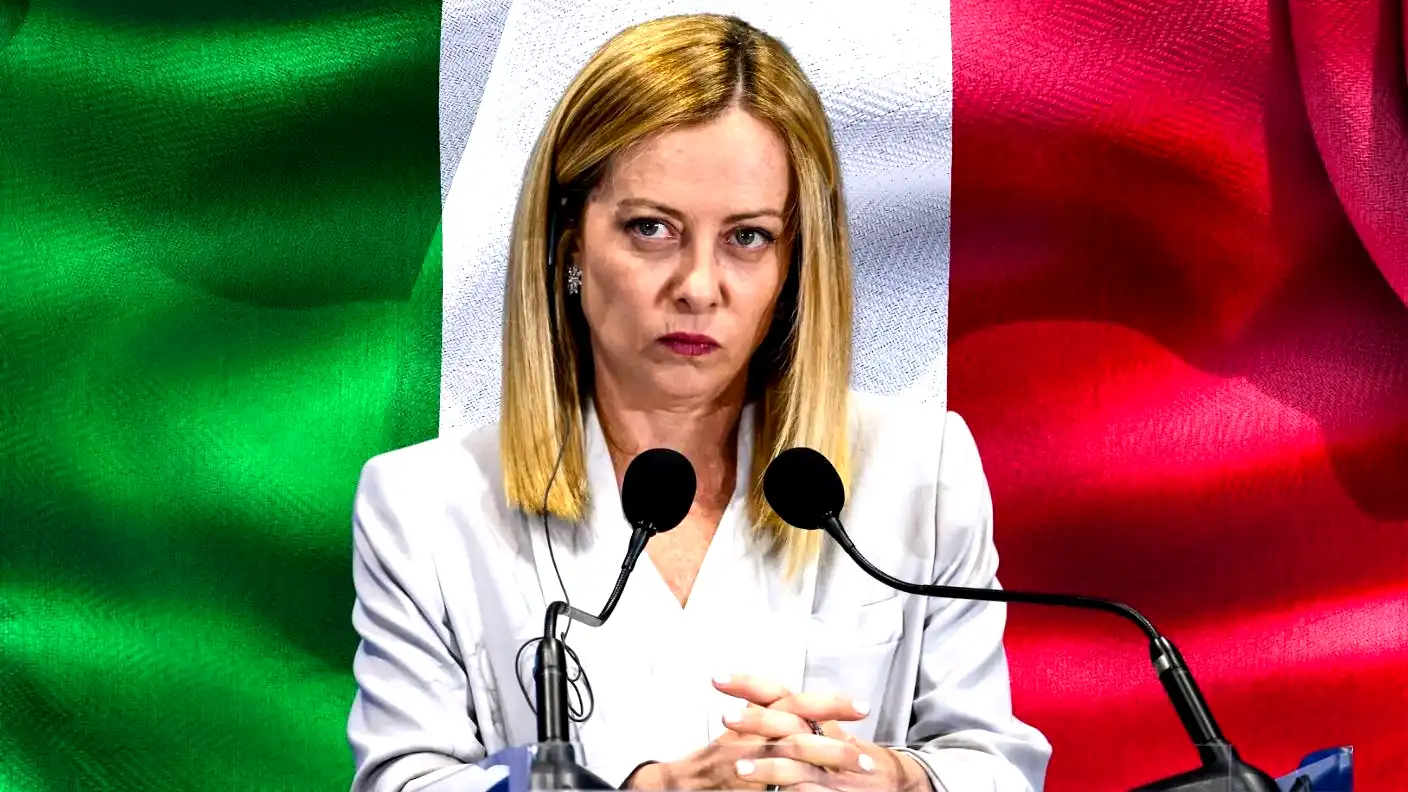
Italian Prime Minister Giorgia Meloni met with Libyan Prime Minister Abdulhamid Dbeibah in Rome on Thursday. The two leaders discussed ways to strengthen energy cooperation between their nations. Italy desperately needs to secure new energy supplies right now. The ongoing U.S.-Israeli war on Iran created massive turmoil in the Gulf, forcing European nations to look elsewhere for their daily fuel needs. Shipping lanes in the Middle East face daily threats that constantly block regular oil deliveries.
Italy relies heavily on foreign countries to power its massive economy. This deep dependence leaves the nation highly exposed to sudden spikes in global fuel prices. Ordinary Italians pay the price when global energy markets panic. Families see their monthly utility bills climb higher every single week. Meloni wants to protect Italian citizens and businesses from these skyrocketing costs by locking in reliable energy deals directly with North African partners.
Officials from Meloni’s office released a statement shortly after the Rome meetings concluded. They noted that the leaders focused heavily on building strong economic ties and driving new investments directly into the energy sector. Both prime ministers also reaffirmed their shared commitment to managing the heavy flow of migration across the Mediterranean Sea. Thousands of people attempt the dangerous crossing every year. The two leaders want to find practical solutions for patrolling the waters and stopping illegal smuggling rings.
Libya already serves as Rome’s biggest supplier of crude oil. The North African nation accounts for nearly 20% of Italy’s total crude oil imports. This massive volume makes Libya an incredibly important partner for Italian refineries. Italian refineries are specifically designed to process this type of crude oil. Without it, the entire fuel supply chain in southern Europe faces immediate shortages. Maintaining a steady flow of crude oil from Libyan ports remains a top priority for the Italian government.
However, natural gas deliveries present a very different and troubling picture. Libyan gas exports to Italy dropped significantly over the past year. In 2024, Libya pumped 1.4 billion cubic meters of natural gas across the Mediterranean. By 2025, that number fell sharply to just 1 billion cubic meters. This sudden drop forced Italian energy companies to scramble for expensive backup options.
Several serious domestic problems inside Libya caused this frustrating drop in gas exports. First, Libyan citizens now demand more electricity, which consumes a large share of the local gas supply. Second, repeated disruptions to local pipelines and shipping terminals constantly halt production. Finally, ongoing political instability prevents local workers from properly maintaining the infrastructure. Local workers cannot safely access the drilling sites when political groups clash. This constant friction breaks down the supply chain at every single step.
These supply constraints directly impact the Greenstream pipeline. This massive underwater pipeline connects the Libyan coast directly to the Italian island of Sicily. Because of domestic struggles in Libya, the Greenstream pipeline currently operates well below its maximum capacity. Italian leaders want to fix these issues so the pipeline can operate at full speed once again. Sending more gas through the Greenstream pipeline would immediately lower energy costs across Italy.
Members of Italy’s influential parliamentary security committee took action to address these shortages directly. They traveled to Libya in late April to meet with Dbeibah and other local leaders. The Italian lawmakers stressed the urgent need to increase foreign investment within Libya’s borders. They explained that fresh money helps workers increase Libyan gas production and ultimately increases the export volumes heading to Italy. Both sides agreed that modernizing the drilling equipment would benefit everyone involved.
The Italian state-controlled energy company Eni plays a major role in addressing the current crisis. Eni has operated continuously in Libya since 1959. Today, the company is the leading international energy operator in the country. The company maintains deep relationships with local officials and employs thousands of workers across various drilling sites. Eni provides the technical expertise needed to keep oil and gas flowing from the desert.
Eni reported highly successful production numbers despite the regional challenges. The company reached an equity production of roughly 162,000 barrels of oil equivalent per day throughout 2025. Company executives want to push those numbers even higher in the near future. They currently manage three separate development projects across Libya. Two of these major projects will officially start operations in 2026. These new projects will pump millions of extra barrels into the market. Italian officials hope this extra production keeps their economy running smoothly through the rest of the decade.