Key Points:
- American startup Lunar Outpost raised $30 million to build a smaller moon vehicle named Pegasus quickly.
- NASA Administrator Jared Isaacman recently asked private companies to submit simpler rover designs for faster deployment.
- The company plans to launch the new Pegasus rover in 2027 while pushing its larger vehicle to 2030.
- NASA plans to spend more than $30 billion to build a permanent human base on the lunar surface.
American space startup Lunar Outpost successfully closed a massive $30 million funding round this week. The company plans to use this fresh cash to accelerate the development of a brand-new moon rover. Justin Cyrus, the chief executive officer of the Denver-based company, announced the financial victory as private investors show a massive wave of new interest in lunar exploration projects.
Industrious Ventures led this new Series B funding round, which the startup officially launched just one month ago. Several other major investment firms joined the effort, including Type One Ventures, Eniac Ventures, and Promus Ventures. The intense investor demand actually surprised the company leadership. Cyrus noted that the round generated roughly $90 million in total investment interest. However, the startup chose to cap the total at exactly $30 million so the team could stay highly focused on building the hardware quickly. The company refused to share its new financial valuation.
Before this recent shift in strategy, Lunar Outpost spent years developing a massive Lunar Terrain Vehicle known as the Eagle. The company entered this large rover into a fierce competition against two other prominent space startups, Astrolab and Intuitive Machines. All three companies want to win the ultimate prize. They hope NASA will select their vehicle as the primary ride for astronauts driving across the lunar surface during the upcoming Artemis missions. Winning these future government contracts could eventually bring the victor billions of dollars in revenue.
Everything changed recently when NASA Administrator Jared Isaacman shook up the space agency with a major change of plans. Isaacman wants to significantly accelerate the timeline for establishing a long-term human presence on the moon’s surface. In March, NASA shocked the competing aerospace companies by asking them to submit much simpler rover designs. The agency wants basic vehicles that engineers can build and deploy much more quickly than the original massive rovers. Experts expect NASA to pick a winning design officially later this month.
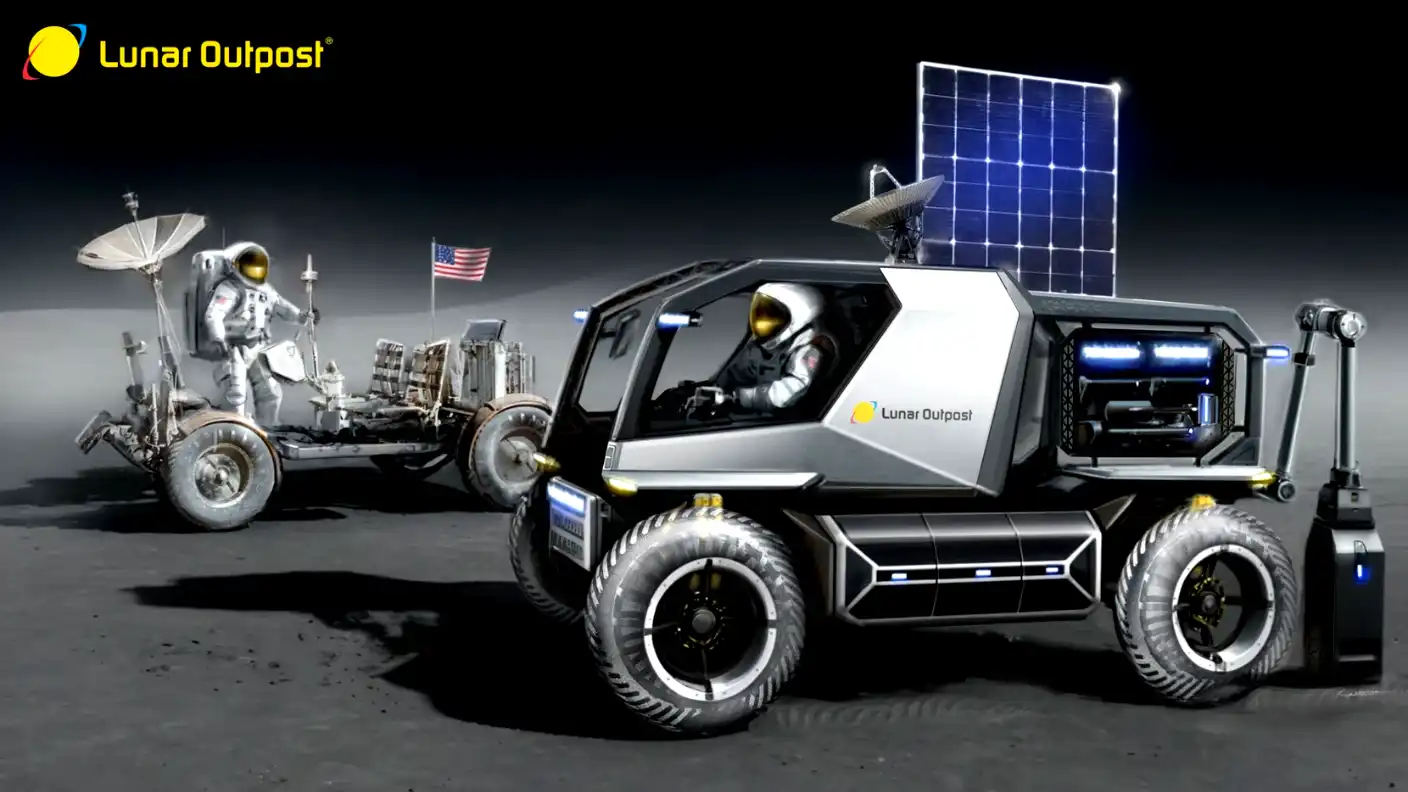
Lunar Outpost listened closely to the new demands from the space agency. To answer this direct need for speed, the startup revealed a much smaller rover design on Thursday. The team named this new nimble vehicle Pegasus. The $30 million in fresh bank funding will directly help the engineering team accelerate development of this specific machine. The company now targets a fast launch date in 2027 for the Pegasus vehicle.
Because the company must focus all its energy on the smaller Pegasus project, it had to adjust its original timeline. The engineering team decided to push the massive Eagle rover into a much later phase of development. Lunar Outpost originally targeted a 2028 launch date for the giant Eagle vehicle. Now, the company plans to launch the larger machine sometime around 2030, after it has successfully demonstrated its core technology with the smaller Pegasus.
Cyrus explained the sudden shift in business strategy during a recent interview. He said NASA clearly told the industry that the agency wants to get this lunar project done right now. In response, Lunar Outpost decided to launch a very quick fundraising round to secure the cash needed to meet that aggressive timeline. The CEO expressed deep confidence in the future of the private space industry.
For many years, a severe lack of funding prevented private companies from exploring the space between Earth and the moon. Scientists call this specific region cislunar space. Cyrus declared that this historical financial constraint simply no longer exists. He attributes this massive explosion of private investor interest directly to NASA’s aggressive push for more frequent missions to the moon. When the government spends money on space, private investors eagerly follow.
This rover competition fits into a much larger puzzle. The revised NASA plan for the Artemis program involves putting permanent infrastructure directly on the lunar surface. This massive project centers around a permanent moon base and reliable vehicles. The space agency plans to send regular groups of astronauts to the moon as part of a sprawling strategy that will cost more than $30 billion over the next decade. The government laid the foundation for this Artemis plan during President Donald Trump’s first term.
NASA has already started executing this massive vision. The space agency successfully launched the second Artemis mission in April. That historic flight sent four human astronauts on a journey that circled the moon and returned them safely to Earth. NASA considers this recent flight a vital precursor mission. The agency needs to test all its basic flight systems before it attempts the ultimate goal. NASA is preparing to execute the first crewed human landing on the lunar surface since the final Apollo mission in 1972.