

Key Points
- A new wipe test can detect cancer-linked “forever chemicals” on firefighter gear.
- Researchers found PFAS on every set of equipment they tested, including breathing masks.
- Cancer is now the leading cause of line-of-duty deaths for firefighters.
- The test is non-destructive, allowing it to be used regularly without damaging equipment.
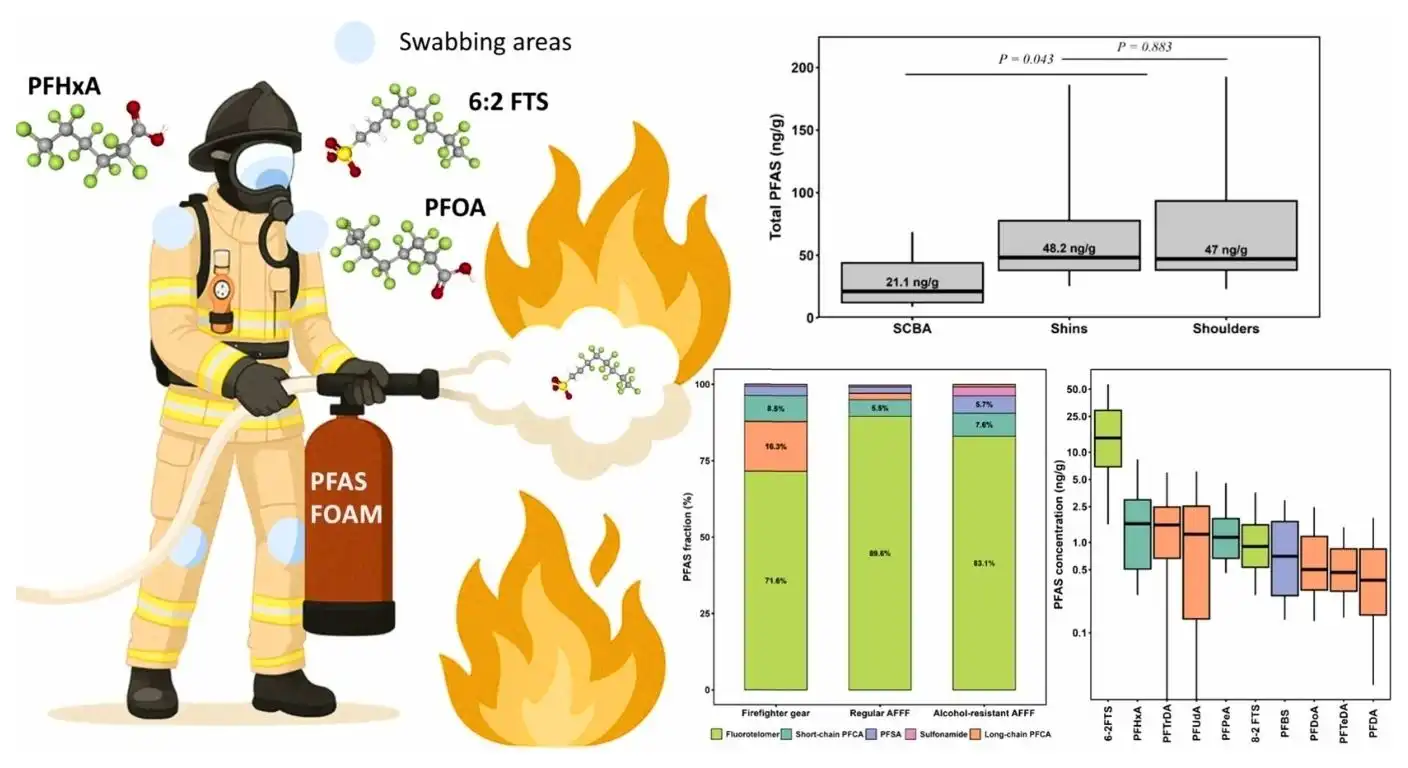
After a fire is extinguished, a hidden hazard remains. Researchers from the University of Miami have developed a simple wipe test that can find invisible, cancer-causing “forever chemicals” on firefighter gear. The study, published in the Journal of Hazardous Materials, found these dangerous chemicals, known as PFAS, on every single set of gear they tested, including the inside of breathing masks.
PFAS are heat-resistant compounds used in firefighting foams and protective coatings. They don’t break down easily, and they stick to everything. For years, soot-covered gear was seen as a badge of honor in the fire service.
Now, we know it’s a sign of a much bigger problem. These chemicals can ride home on a firefighter’s jacket, settle in the firehouse, and eventually end up in their bloodstream, where they can cause cancer.
The new wipe test is a game-changer. It’s a non-destructive way for fire departments to see what’s really on their equipment. “Think of it as turning on a blacklight in a dark room,” said one of the lead researchers. “Suddenly, you see what’s been hiding all along.” By swabbing the equipment and analyzing the wipes, departments can determine when and how to clean their equipment to reduce exposure.
Cancer is now the leading cause of on-duty deaths for firefighters. Modern fires, fueled by plastics and synthetic materials, release a toxic soup of chemicals. This new test provides firefighters with a practical tool to combat this invisible threat.
The research team also used computer models to show how even small amounts of these chemicals on gear can build up in the body over a long career.
The ultimate goal is to keep these forever chemicals off of skin, off of gear, and out of the fire station. This simple test is a major step in that direction, helping to protect the people who protect us.






