Key Points:
- Brent crude sits near $100 after jumping almost 9 percent.
- WTI crude reaches nearly $94 per barrel as buyers rush.
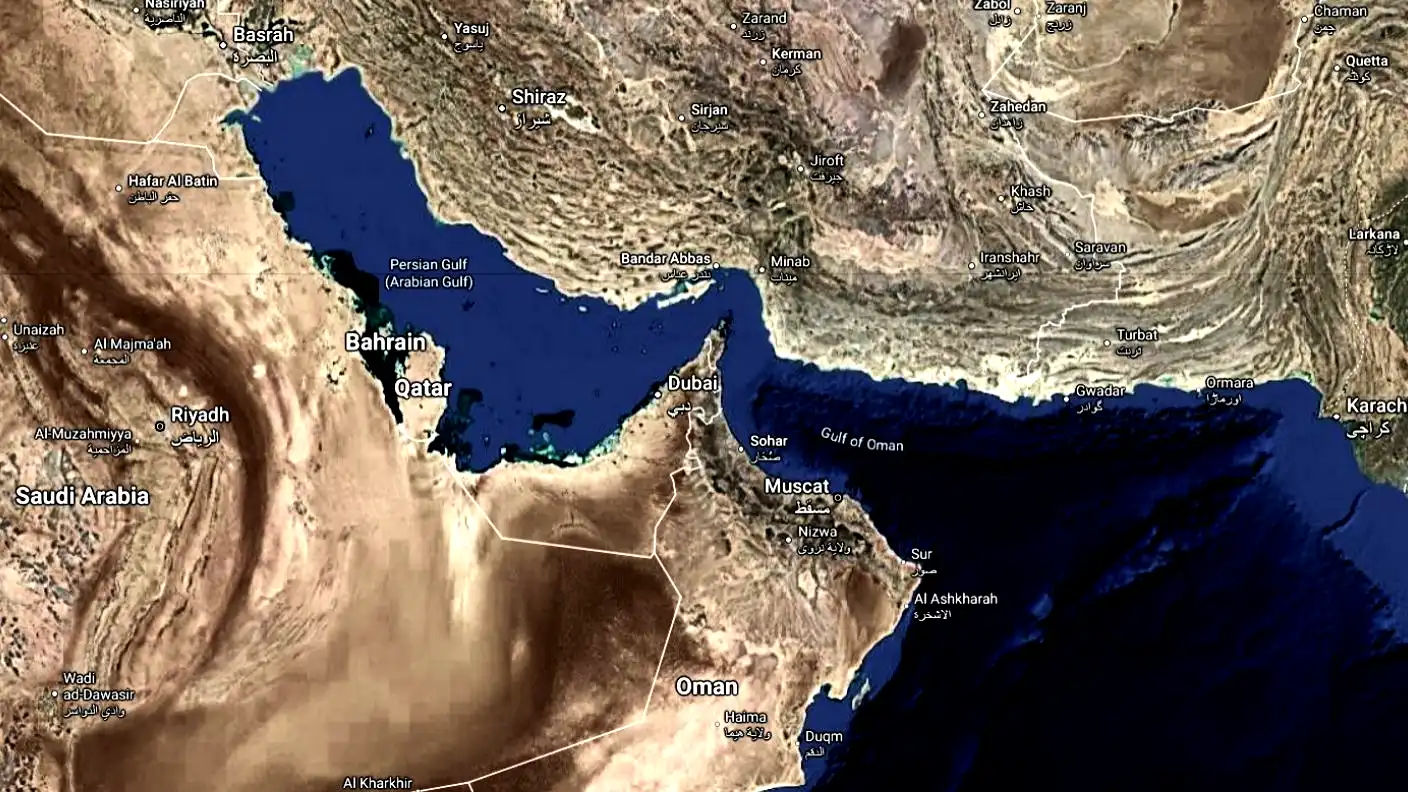
- Persian Gulf attacks block 20 percent of the global oil trade.
- Iran’s leader, Mojtaba Khamenei, wants the strait to stay closed.
Oil prices are shooting up today, March 12, 2026. Global energy markets are shaking because the ongoing conflict in the Middle East has just escalated significantly. Retaliatory attacks on cargo ships and local oil facilities in the Persian Gulf suddenly cut off a massive portion of the global oil supply. Traders are panicking, and the sudden drop in available oil forces prices higher by the hour.
Brent crude oil jumped 8.8 percent today and currently sits at $99.72 per barrel. Earlier in the morning trading sessions, the price actually broke past the $100 mark for a short period before settling slightly lower. Traders know West Texas Intermediate as WTI crude, and it also saw huge price gains. WTI jumped 8.4 percent to hit $93.64 per barrel, right after touching a daily high of $95.97. Energy buyers are rushing to secure available oil contracts.
The main problem focuses directly on the Strait of Hormuz. This narrow waterway serves as a vital route for the global economy. Right now, dangerous attacks make the water too risky for large oil tankers to cross. Because ships cannot safely travel through this chokepoint, about 20 percent of the world’s daily oil trade completely stopped. This missing oil creates an immediate shortage for countries everywhere.
Iran’s new Supreme Leader, Mojtaba Khamenei, made the situation even more intense this morning. He announced publicly that the Strait of Hormuz should remain closed to traffic. His strong statement tells the world that the shipping blockades will likely continue for the near future. This political move directly threatens nations in Europe and Asia that rely heavily on daily oil imports to power their economies.
Energy experts warn that this sudden trade freeze will hurt everyday people very soon. When massive oil ships cannot leave the Persian Gulf, refineries around the world quickly run out of raw supplies. This supply shortage forces local gas stations to charge everyday drivers much more money at the fuel pump. Delivery truck companies, major airlines, and large factories will face much higher fuel costs.
These higher fuel costs usually make everything else more expensive, too. When cargo trucks pay more for diesel fuel, grocery stores have to raise the price of food to cover the extra shipping costs. Regular families will feel the pressure in their daily household budgets. Many government leaders worry that this sudden spike in energy costs could slow down their economies and increase inflation.
To fight these skyrocketing prices, world energy leaders took desperate action today. The International Energy Agency approved a massive emergency response plan. The group agreed to release a record-breaking 400 million barrels of oil straight from their emergency reserves. They hope this enormous flood of backup oil will calm the nervous markets and give global buyers enough supply to keep things running normally.
Even with this massive emergency release, oil prices stay very high. Market watchers worry that 400 million barrels will only work as a quick, temporary fix. If the fighting continues and the strait stays closed for months, the world will need a much better long-term solution. For now, government leaders and everyday citizens are watching the Middle East closely, waiting to see what happens next in the coming weeks.