

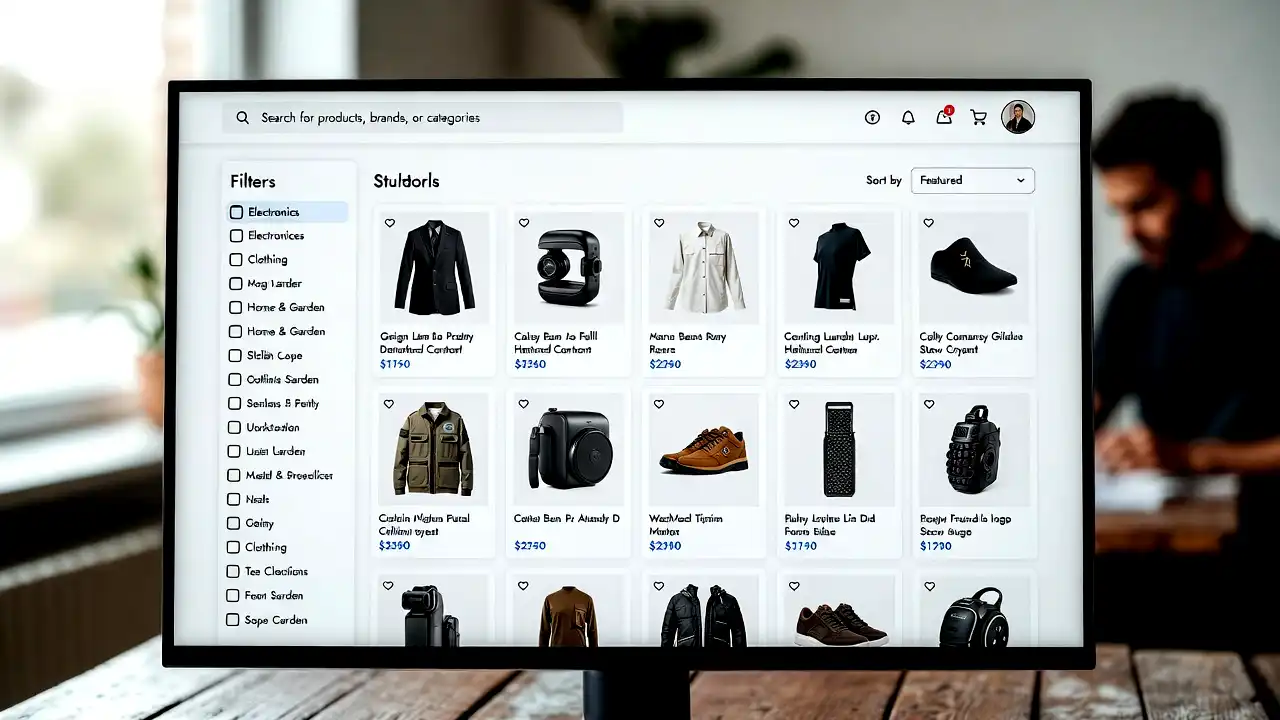
We once lived in an age of the middleman. When we wanted to buy a pair of shoes, a new kitchen gadget, or a set of tools, we walked into a store or browsed a giant retailer’s catalog. We accepted that the price tag included the cost of the wholesaler, the distributor, the shelf space, and the store owner’s profit. Today, that old model feels slow and unnecessary. We now live in a direct-to-consumer era where the makers of our favorite products speak directly to us through the screen. This massive shift forces online marketplaces to rethink their entire purpose. They no longer function merely as digital shelves for cheap goods; they now serve as essential infrastructure for brands seeking to build real relationships with their customers.
The Death of the Passive Middleman
The giant, faceless retail websites of the past treated every product the same. They focused on moving volume, lowering prices, and getting orders out the door as quickly as possible. They didn’t care about the brand, the mission, or the story behind the item. This approach works for basic commodities like paperclips, but it fails for everything else. Consumers today want more. They want to know who designs their clothes and the philosophy behind their skincare. Online marketplaces are now in a race to prove they offer more than just a checkout button. They must become storytellers, or they risk losing their best sellers to direct-to-consumer websites.
Brands Build Their Own Digital Castles
The most successful brands today refuse to hide behind a giant retailer. They build their own digital stores. By owning their own website, they collect their own customer data, control their own branding, and keep the full profit margin. They talk directly to their buyers through email, social media, and private chat groups. When a brand controls the entire experience, they build deep, lasting loyalty. They don’t have to compete for attention on a crowded, cluttered marketplace feed. This “D2C” revolution forces marketplaces to work harder for the attention of the brands that list their goods there.
The Marketplace as a Service Hub
If marketplaces want to survive in this new world, they must stop being simple stores and start being service hubs. A modern marketplace now offers more than a transaction. It provides logistics, shipping, marketing support, and analytical tools. A small maker of artisanal candles can use a global marketplace to handle complex tax rules, worldwide shipping logistics, and targeted advertising. The marketplace essentially functions as a business-in-a-box for the creator. It earns its fee by saving the creator time and stress, rather than just by collecting a commission on every sale.
Personalization vs. The Corporate Algorithm
The giant marketplaces once relied on aggressive, annoying algorithms to push generic products. They bombarded everyone with the same ads, hoping something would stick. Consumers grew tired of this “spray and pray” approach. They now expect a highly personalized experience that matches their unique values and tastes. Marketplaces must use data to connect buyers with products they actually love, rather than just products the company needs to clear from the warehouse. A marketplace that understands your style, your sustainability concerns, and your budget creates a better experience than any standalone brand store ever could.
Transparency as the Final Differentiator
We live in an age of extreme skepticism. We know that many “small businesses” on marketplaces are actually giant shell companies selling mass-produced junk. We also know that many reviews are fake. In this environment, transparency becomes the ultimate competitive advantage. The future of online marketplaces relies on verified trust. Marketplaces must prove the origin of their products, verify the authenticity of their reviews, and show exactly how they protect their sellers. A marketplace that acts as an honest broker between the buyer and the maker will win the loyalty of a world that is tired of online deception.
The New Logistics of Speed
Speed defines the direct-to-consumer era. When a customer buys directly from a brand, they expect fast shipping, easy returns, and friendly service. Marketplaces must match this speed to stay relevant. We now see the rise of hyper-local fulfillment networks. Marketplaces use their massive scale to store goods in city-center hubs, allowing for same-day delivery that a single brand could never afford to provide on its own. The marketplace becomes a logistics powerhouse, helping small brands compete with giant corporations in terms of delivery speed.
Human Connection at a Global Scale
Technology often creates distance, but the direct-to-consumer era tries to bridge it. Marketplaces now integrate live video, chat features, and community forums where buyers talk directly to the makers. You can watch the creator of your new watch explain how they assemble it, or chat with a farmer about their coffee harvest. This human connection makes the product more valuable. The marketplace serves as the stage for this interaction, providing the tech that lets the human story shine through. We move from a world of anonymous consumption to a world of meaningful exchange.
The Global Struggle for Small Makers
The direct-to-consumer era risks favoring the biggest brands that have the cash to build their own sites. Small, independent makers often lack the digital marketing skills to reach a global audience on their own. Marketplaces must remember their duty to these smaller players. They should use their influence to highlight underrepresented voices and local artisans. A marketplace that features only giant global brands will eventually lose its identity. The most vibrant platforms will be those that foster a diverse, global community of creators, ensuring that small voices still have a loud enough voice to be heard.
Conclusion
We do not have to choose between the convenience of a marketplace and the intimacy of a direct brand relationship. The future belongs to a hybrid model. The strongest online marketplaces will stop acting like cold, industrial warehouses and start acting like vibrant, global town squares. They will provide the logistics, the trust, and the visibility that small creators need, while letting the brand’s story take center stage. By evolving into partners rather than just gatekeepers, these digital platforms will continue to shape the way the world buys, sells, and connects for years to come.






