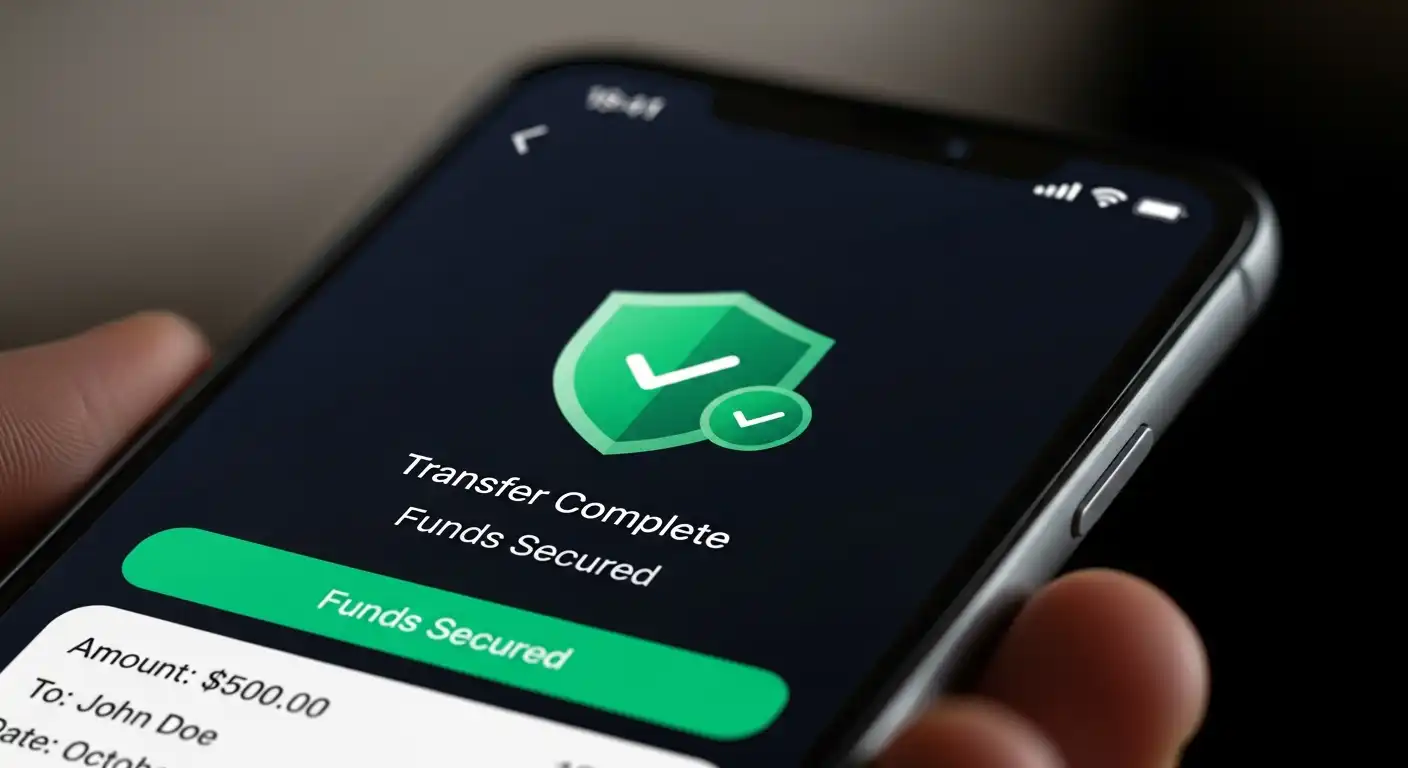
In the not-so-distant past, splitting a dinner bill involved a chaotic exchange of crumpled cash, a hunt for an ATM, or an awkward “I’ll owe you one.” Today, the phrase “I’ll Venmo you” has become as ubiquitous as “Google it.”
This seismic shift in personal finance is driven by Peer-to-Peer (P2P) Payments. P2P services have revolutionized how we handle money, allowing individuals to transfer funds directly from their bank account or credit card to another person’s account via a mobile app. It is fast, often free, and incredibly convenient.
From the global dominance of PayPal to the social feed of Venmo and the banking integration of Zelle, the P2P landscape is vast and growing. However, with great convenience comes new risks. Scammers have flocked to these platforms, exploiting the speed and irreversibility of digital transfers.
This comprehensive guide explores how P2P payments work, compares the major players, dives deep into security best practices, and explains the tax implications that every user needs to understand.
How P2P Payments Work: The Mechanics of Digital Cash
At its core, a P2P payment service acts as a digital middleman or a direct conduit between two bank accounts. While the user interface is simple—type a name, type an amount, hit send—the backend process varies.
The Setup Process
Getting started is almost universally standardized. You download an app, create an account, and link a funding source.
- Bank Account (ACH): Linking your checking account via routing and account numbers. This is usually free, but can be slower for transfers out of the app.
- Debit Card: Allows for instant funding and often instant transfers, sometimes for a small fee.
- Credit Card: Most apps allow this, but they charge a processing fee (typically ~3%). Be warned: your credit card issuer might treat this as a “Cash Advance,” charging you high interest immediately.
The Transfer: Wallet vs. Bank-to-Bank
There are two primary models for how the money moves:
- Stored Value (Digital Wallet): Apps like Venmo, Cash App, and PayPal function as digital wallets. When you receive $50, it sits in your Venmo balance. You can use that balance to pay someone else, or you can “cash out” to transfer it to your actual bank account. Cashing out usually takes 1-3 days for free, or is instant for a fee (usually 1.5% – 1.75%).
- Direct Bank Transfer: Services like Zelle operate differently. There is no “Zelle Balance.” The service is integrated directly into the banking infrastructure. When you send money, it moves from your Chase account directly to your friend’s Wells Fargo account. It is usually instant and free.
The Big Players: Choosing the Right App
The P2P market is crowded. Choosing the right one often depends on what your friends use and your specific needs.
PayPal: The Global Veteran
- Best For: International transfers and business transactions.
- Pros: Massive global reach (200+ countries/regions), robust buyer protection for “Goods and Services” transactions, highly trusted.
- Cons: The interface can feel dated; fees apply for international transfers and instant withdrawals; account freezes can happen if suspicious activity is detected.
Venmo: The Social Network
- Best For: Splitting bills with friends and social interaction (USA only).
- Pros: Intuitive interface, social feed (seeing what friends are paying for), built-in bill splitting calculator. Owned by PayPal, so it has a strong infrastructure.
- Cons: Privacy Default: By default, your transactions are public. You must change this in settings. Instant transfer fees apply.
Cash App: The Financial Swiss Army Knife
- Best For: Younger demographics, crypto, and stocks.
- Pros: You can buy Bitcoin and stocks starting at $1; offers a “Cash Card” (Visa debit) with “Boosts” (instant discounts at coffee shops, etc.). Very popular for its simplicity.
- Cons: Customer support is notoriously difficult to reach (often only via chat); targeted by scammers.
Zelle: The Bank’s Answer
- Best For: Speed and free bank-to-bank transfers.
- Pros: Integrated directly into most major US banking apps (no new download needed); money arrives in minutes; generally higher transfer limits than Venmo/Cash App.
- Cons: Zero Buyer Protection. Once money is sent, it is gone. If you send it to the wrong number or a scammer, the bank usually will not help you because you “authorized” the transfer.
Apple Cash / Google Pay
- Best For: Ecosystem loyalists.
- Pros: Integrated into the phone’s OS. Apple Cash works inside iMessage, making sending money as easy as sending a text. Google Pay offers rich insights and rewards.
- Cons: Limited to users on compatible devices (you can’t iMessage money to an Android user).
Security: The Dark Side of Instant Money
P2P apps use bank-grade encryption and fraud monitoring, but they are not immune to risks. The biggest danger in the P2P world is not hacking; it is Social Engineering.
The “Accidental Payment” Scam
A stranger sends you $500 on Venmo. Then, they message you: “Oh my god, I sent that by mistake! Can you please send it back?”
- The Trap: The sender likely used a stolen credit card. If you send $500 back to them, you are sending your own clean money. Eventually, the stolen card charge gets reversed by the bank, and Venmo claws back the initial $500. You are out $500.
- The Fix: Do not send it back. Tell them to contact Venmo support to reverse the transaction. Do not engage.
The Zelle Scam
A “bank representative” calls you, claiming there is a suspicious transaction on your account. To “verify your identity” or “reverse the charge,” they tell you to send money to yourself via Zelle.
- The Trap: They ask you to send money to a phone number that they control, or they have tricked you into giving them access to your account.
- The Fix: Banks will never ask you to send money to yourself via Zelle. Hang up and call the number on the back of your debit card.
The Craigslist/Facebook Marketplace Trap
You try to buy concert tickets or a used laptop. The seller asks for payment via Zelle, Cash App, or Venmo (Friends & Family). You send the money. The seller ghosts you.
- The Reality: P2P apps (except PayPal Goods & Services) offer no purchase protection. It is the digital equivalent of handing cash to a stranger in a parking lot.
- The Fix: Only use P2P for people you know and trust. For purchases, use PayPal “Goods and Services,” which charges a fee but offers protection.
Privacy Settings: Locking Down Your Data
Venmo’s social feed is a privacy nightmare. Strangers can potentially map out your social circle, habits, and even your location based on your transaction descriptions (“Rent,” “Dinner at Nobu,” “Uber”).
Action Plan:
- Open Venmo.
- Go to Settings -> Privacy.
- Change “Default Privacy Setting” to Private.
- Click on “Past Transactions” and change all to Private.
P2P for Small Business: The Tax Man Cometh
While P2P started for splitting pizza, hairdressers, freelancers, and small business owners adopted it to avoid credit card fees. The government noticed.
The $600 Rule (Form 1099-K)
The IRS has tightened regulations. If you receive over $600 in payments for goods and services in a calendar year, the P2P app is required to report this income to the IRS via Form 1099-K.
- Does this apply to splitting rent? No. Personal reimbursements are not taxable income.
- Does this apply to my side hustle? Yes. If you sell vintage clothes or mow lawns, this income is taxable.
- The Distinction: Apps like Venmo now ask you to toggle a switch if a payment is for “Goods and Services.” Be honest. Using personal profiles to hide business income is tax fraud and violates the app’s Terms of Service (risking a ban).
The Future of P2P: FedNow and Cross-Border Crypto
The P2P landscape is evolving rapidly.
FedNow
The US Federal Reserve is rolling out “FedNow,” a real-time payment system available to all banks. This will likely make instant bank transfers the standard, potentially eroding the need for third-party apps like Venmo for simple transfers.
Crypto and Stablecoins
For cross-border payments, crypto is king. Sending money from the US to Nigeria or Argentina via traditional rails is slow and expensive (Western Union fees). Stablecoins (crypto pegged to the Dollar) allow for instant, near-free global transfers. Apps like Strike are leveraging the Bitcoin Lightning Network to allow users to send Dollars globally instantly.
Conclusion
Peer-to-Peer payments have fundamentally changed our relationship with money. They have removed the social friction of debt (“I’ll pay you back later”) and the logistical friction of cash. Whether you are splitting a utility bill with a roommate or paying a dog walker, these apps offer unparalleled convenience.
However, convenience must be balanced with caution. The golden rule of P2P is simple: Treat a transfer like handing over cash. Once it leaves your hand, you cannot pull it back. By understanding the specific features, fee structures, and security protocols of these platforms, you can navigate the digital economy with confidence and safety.