Key Points:
- South Korea asked G7 members to help developing countries build artificial intelligence infrastructure to increase global productivity.
- Finance Minister Koo Yun-cheol met with counterparts from Germany and Canada to secure supply chains and discuss defense deals.
- The Paris summit featured talks with delegates from 4 guest nations: South Korea, India, Brazil, and Kenya.
- Leaders discussed urgent policy changes to address global economic imbalances stemming from the ongoing Middle East crisis.
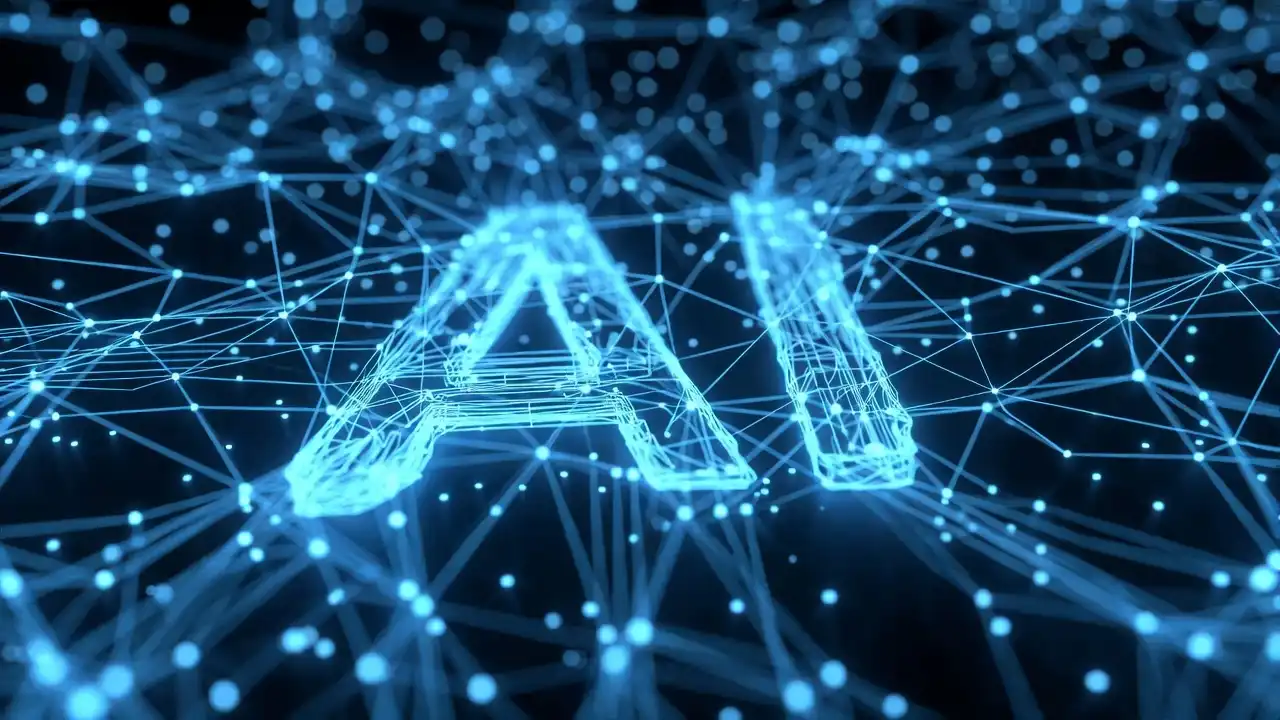
South Korean Finance Minister Koo Yun-cheol urged the world’s richest nations to help developing countries build their artificial intelligence systems. He delivered this message to the Group of Seven finance ministers and central bank governors during their summit in Paris on Tuesday. His office released a statement on Wednesday detailing his plan to boost sustainable global growth through technology.
The G7 leaders invited 4 guest countries to join the Paris talks this year. South Korea sat at the table alongside delegates from India, Brazil, and Kenya. Koo used this rare opportunity to highlight how digital tools drive modern economic success. He explained that artificial intelligence can quickly boost productivity in poorer regions. He warned, however, that developing nations do not have the money or resources to build this technology on their own.
To bridge this technology gap, Koo called for immediate teamwork across all sectors. He told governments, multilateral development banks, and private tech companies to join forces. He wants them to invest heavily in the digital infrastructure of developing nations. Experts predict the global artificial intelligence market will generate over $15 trillion by 2030. Koo fears developing countries will capture less than 5% of this new wealth without direct help. He demanded that the G7 make tech capacity building a main item on their official agenda.
Koo then shifted the conversation to broader financial problems. He pointed out that massive gaps in the global economy threaten worldwide stability. Rich countries easily weather financial shocks, while poorer nations drown in debt and face high inflation. He asked all participating countries to change their policies immediately to fix these dangerous disparities.
The ongoing conflicts in the Middle East dominated the side discussions throughout the week. Koo warned that prolonged fighting disrupts global shipping lanes and causes energy prices to spike. He met with several finance leaders outside the main summit room to brainstorm solutions. They traded ideas on how to shield their local economies from sudden price jumps and material shortages.
During a break in the main agenda, Koo held a one-on-one session with German Finance Minister Lars Klingbeil. They focused their talk on keeping global supply chains open and reliable. Koo promised Klingbeil that South Korea would take a responsible role in smoothing out global trade imbalances. Both leaders pledged to strengthen their strategic partnership. They plan to buy critical materials from a wider variety of countries to reduce their reliance on single suppliers by at least 30%.
Later in the afternoon, Koo sat down with Canadian Finance Minister Francois-Philippe Champagne. They explored ways to collaborate on energy, defense, and high-tech manufacturing. South Korea views Canada as a highly valuable partner for securing clean energy and advanced military equipment. They discussed launching joint projects worth up to $2 billion to protect their mutual interests over the next decade.
South Korea currently ranks among the top 10 economies in the world. The country uses its strong financial position to act as a bridge between wealthy nations and the developing world. Koo made it clear that sharing advanced technology will make everyone richer and safer. He believes smart agriculture and digital health tools can completely transform daily life in places like Kenya and Brazil.
Koo provided concrete examples of how this technology changes lives for the better. If a farmer uses a smart weather application, they can increase their crop yields by 20%. However, this requires basic foundations like reliable electricity and fast internet. Installing these systems costs billions of dollars. Koo urged development banks to set aside at least 10% of their new loans specifically for digital infrastructure projects.
The conversations with Canada and Germany also highlighted a major shift in global power dynamics. Since the Middle East remains unpredictable, South Korea looks toward North America and Europe for stable trade. Canada possesses huge amounts of critical minerals needed for electric car batteries. South Korea hopes to sign long-term supply contracts lasting 10 to 15 years to keep its factories running smoothly.
Koo left the Paris summit with a clear warning for the world’s wealthiest leaders. He challenged them to look beyond their own borders and share their resources. If the G7 ignores the growing technology gap, it will create a permanently divided world. By treating artificial intelligence as a global utility rather than a luxury, they can lift millions out of poverty and secure long-term economic growth.