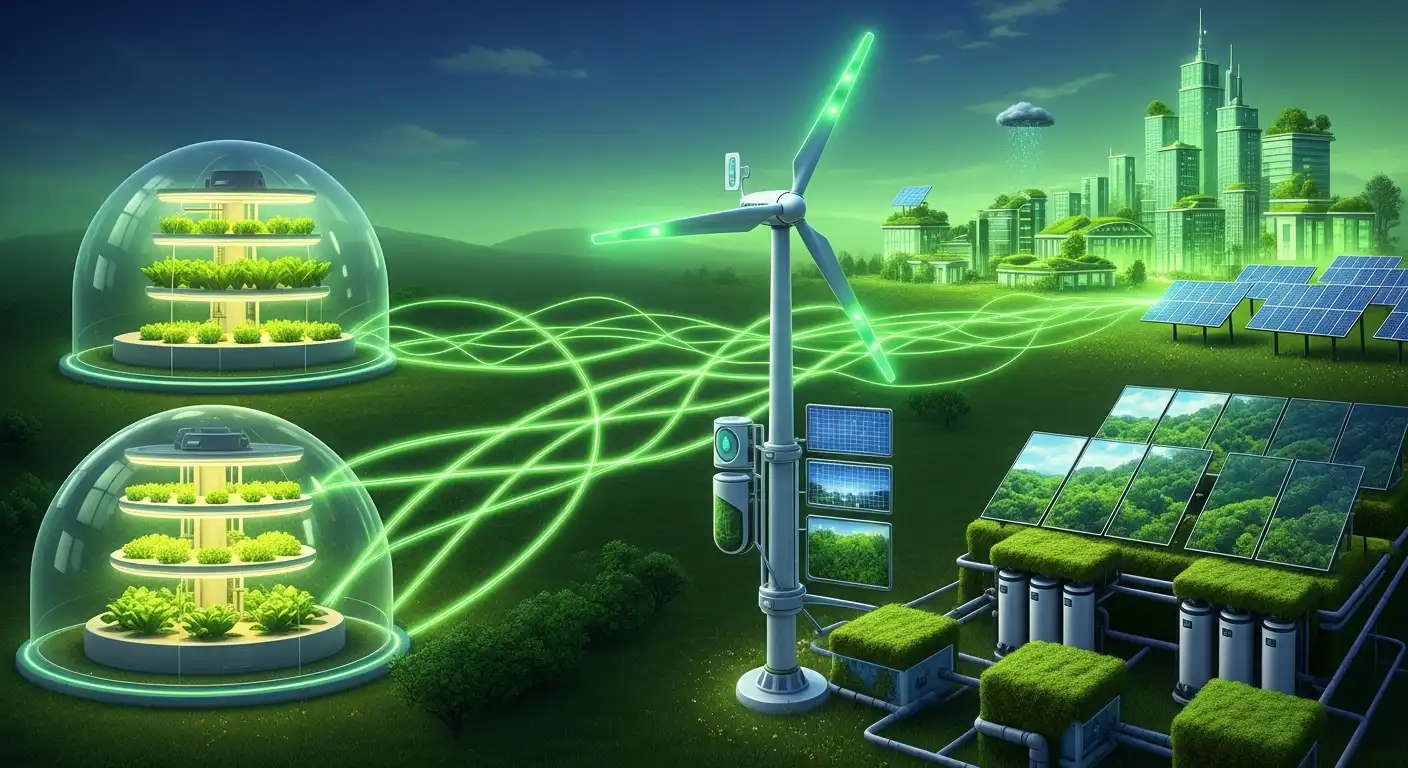
For a long time, we talked about “going green” as a choice, something extra you did if you cared about the planet. That time is over. We are now entering an era where green technology is not just about saving the environment; it is about building a smarter, stronger, and more profitable economy. The businesses that understand this shift will thrive. The ones that don’t will be left behind in a cloud of smoke.
Green Energy Becomes the Smartest Energy
The argument used to be that renewable energy, like solar and wind, was too expensive. That argument is now dead. Thanks to incredible innovation, solar panels and wind turbines are now often the cheapest sources of new electricity, beating coal and gas on price alone. This is a game-changer. In the near future, building a new power plant that burns fossil fuels will not just be seen as irresponsible, but as a bad financial decision. Our power grids will become decentralized, with homes and businesses not just consuming energy, but generating and storing it, too.
Every Product Will Have a Green Footprint
This revolution goes far beyond big power plants. Green technology will weave itself into the fabric of our daily lives. Think about the products you buy. Soon, the packaging will be made from plant-based materials that you can compost in your garden. The buildings we work in will have smart windows that adjust to the sun to reduce heating and cooling costs. The cars we drive will not only be electric, but their batteries will be designed from the start to be easily recycled into new ones, ending the concept of a junkyard.
The End of the Throwaway Culture
Our current economy works on a simple, wasteful model: we take resources from the earth, make things, and then throw them away. This is creating mountains of trash and wasting valuable materials. The green economy will run on a circular model instead. Products will be designed to last, to be easily repaired, and to be broken down into their raw components for reuse. This opens up huge new industries in repair, logistics, and remanufacturing. The “garbage man” of the future might be a resource technician who collects old electronics to harvest precious metals.
Pollution Will Finally Have a Price Tag
For too long, businesses could pollute our air and water without paying the cost. This is changing fast. Governments and consumers are demanding accountability. We will see carbon taxes and emissions trading systems become standard practice around the world. This makes pollution a direct expense on a company’s balance sheet. Suddenly, investing in technology that captures carbon or reduces waste is not a feel-good measure; it is a smart business strategy that saves money and attracts investors.
Conclusion
The transition to a carbon-conscious economy is not about making sacrifices or going back to a simpler time. It is about leaping forward. It is an economic and technological revolution that will create new jobs, spark innovation, and build a cleaner, more stable world. Green technology is no longer a niche market; it is the engine of our future prosperity.