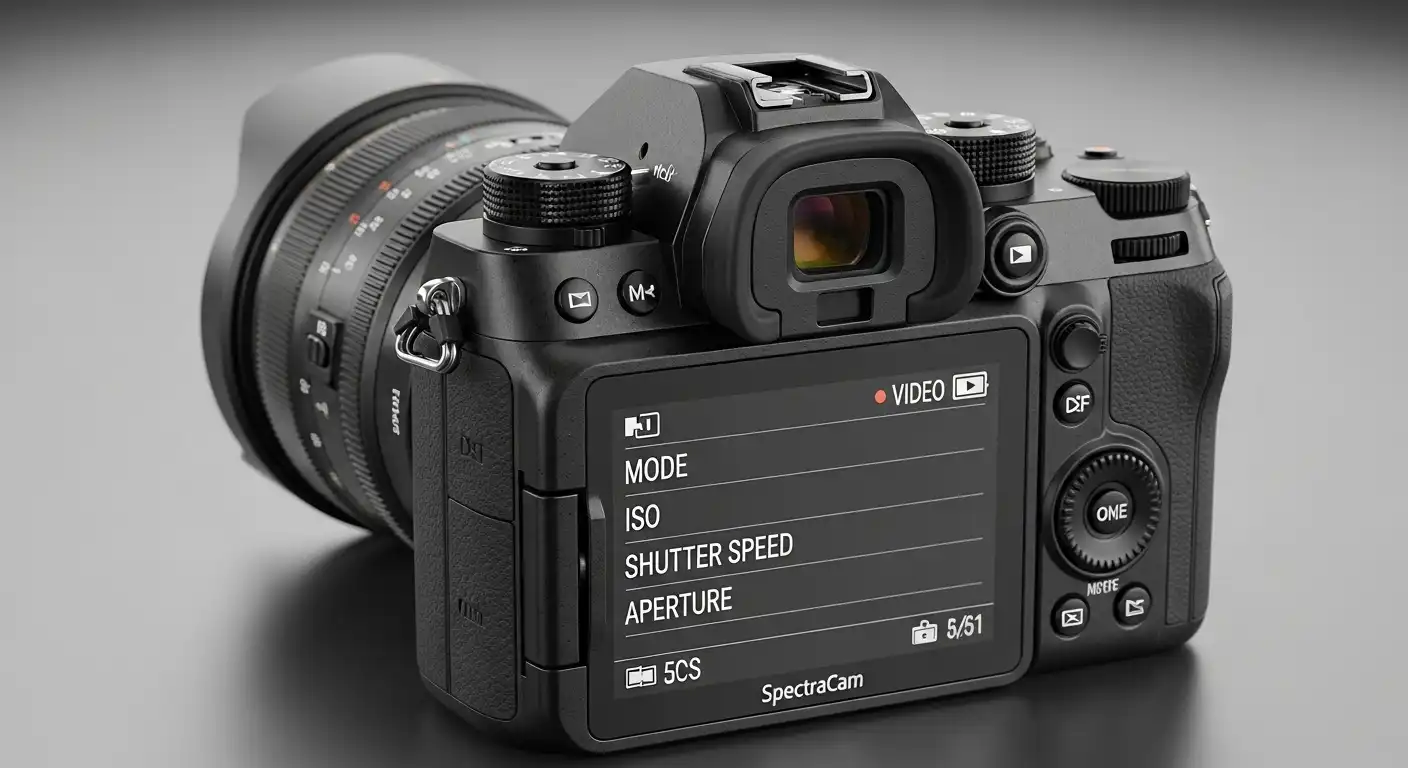
By 2026, the gap between cinema-grade production cameras and consumer mirrorless bodies has all but vanished. The videography landscape is now defined by AI-assisted autofocus that predicts movement, global shutters that eliminate warping, and internal RAW recording becoming the industry standard rather than a luxury. For filmmakers and content creators, the challenge is no longer finding a camera that can shoot high-quality video, but finding one that fits their specific creative workflow.
The leading cameras of this year prioritize thermal management for unlimited recording times and leverage computational photography to stabilize footage without the need for heavy gimbals. Whether you are shooting a documentary, a high-end commercial, or daily vlogs, there is a specialized tool waiting for you. Here are the top 5 mirrorless cameras for videography dominating the market in 2026.
Sony Alpha a7S IV
The long-awaited successor to the low-light king has finally arrived, cementing Sony’s dominance in the run-and-gun filmmaking space. With a redesigned 12MP back-illuminated sensor paired with a dedicated AI processing unit, this camera sees in the dark better than the human eye.
This camera is designed for solo operators who need reliable autofocus and manageable file sizes without sacrificing dynamic range.
- AI-Driven Autofocus: The new chipset tracks subjects not just by face and eye, but by skeletal estimation, ensuring focus remains locked even when a subject turns away or is obstructed.
- 4K at 240fps: Sony has pushed the boundaries of slow motion, allowing for buttery smooth high-frame-rate capture in 10-bit 4:2:2 color without a crop.
- Dual-Base ISO Gen 3: The noise floor is virtually non-existent up to ISO 12,800, making lighting setups optional for documentary filmmakers.
- Passive Cooling Vent: An innovative heat dissipation channel allows for unlimited 4K recording in extreme climates without the noise of an internal fan.
Best For: Documentary filmmakers, wedding videographers, and low-light specialists.
Canon EOS R5 Mark II
Canon has successfully bridged the gap between high-resolution photography and 8K cinema with the R5 Mark II. It addresses the overheating concerns of its predecessor while introducing a stacked sensor that drastically reduces rolling shutter artifacts.
This hybrid powerhouse is built for creators who refuse to compromise, offering the ability to pull 35MP stills directly from cinematic video footage.
- 8K 60p RAW Internal: Captures immense detail with the ability to reframe and crop significantly in post-production without losing quality.
- Cinema EOS Interface: Users can now toggle between the standard photo menu and a dedicated cinema interface derived from the C-line cameras, offering waveform monitors and false color.
- Next-Gen IBIS: The In-Body Image Stabilization works in tandem with RF lenses to provide up to 9 stops of stability, creating tripod-like shots handheld.
- Dual CFexpress Type B Slots: To handle the massive data rates of 8K RAW, Canon has equipped this body with two ultra-fast card slots for redundancy.
Best For: Hybrid shooters, commercial directors, and stock footage creators.
Panasonic Lumix S1H II
Panasonic continues to be the favorite among colorists and indie filmmakers, and the S1H II introduces a revolutionary organic sensor technology. This advancement expands the dynamic range to levels previously reserved for cameras costing five times as much.
This camera prioritizes image fidelity and color science above all else, offering a “Netflix-approved” image straight out of the box.
- Organic Sensor Technology: Provides a massive 16+ stops of dynamic range, handling blown-out highlights and deep shadows with a smooth, film-like roll-off.
- 6K Open Gate Recording: Allows filmmakers to use the entire height of the sensor, which is perfect for cropping into vertical formats for social media without losing horizontal resolution.
- Phase Hybrid Autofocus: Panasonic has perfected its focusing system, finally eliminating the “pulsing” issues of the past for rock-solid tracking reliability.
- Built-in ND Filters: A rare feat in a mirrorless body, the S1H II features an electronic variable ND filter system, allowing for instant exposure adjustments without changing lenses.
Best For: Narrative filmmakers, music video directors, and color grading enthusiasts.
Nikon Z9S
Nikon has refined its flagship Z9 into a slightly more compact, video-centric variant known as the Z9S. It utilizes a true global shutter, meaning that fast-moving objects like helicopter blades or swinging golf clubs are captured with zero distortion.
This is the ultimate action camera, built like a tank and designed to capture fast-paced environments where other sensors would fail.
- Global Shutter: Eliminates rolling shutter entirely, making it the perfect choice for action sports, VFX work, and handheld whip-pans.
- N-RAW Internal Recording: Nikon’s proprietary RAW format offers the flexibility of ProRes RAW but at half the file size, saving massive amounts of storage space.
- Synchro VR: Combines body and lens stabilization to allow for handheld walking shots that look like they were filmed on a Steadicam.
- 4-Axis Tilting Screen: The robust screen mechanism allows for high and low-angle monitoring in both horizontal and vertical orientations.
Best For: Sports videography, VFX artists, and action content creators.
Fujifilm X-H3
Fujifilm remains the champion of the APS-C sensor market, proving that you don’t need full-frame to get a cinematic look. The X-H3 is an affordable, high-performance beast that leverages Fujifilm’s legendary color science to deliver beautiful skin tones instantly.
This camera is designed for creators who want a “film look” straight out of the camera without spending hours in post-production software.
- F-Log3 and Film Simulations: Includes new, dedicated cinema film simulations (Eterna Bleach Bypass II) that can be baked into the footage for instant turnaround.
- 6.2K Recording: Oversamples the 6.2K image to produce a 4K output that is incredibly sharp and detailed, surpassing many full-frame competitors.
- Integrated Fan Accessory: Comes with a modular fan unit that snaps onto the back, ensuring the camera stays cool during long podcast recordings or live streams.
- Frame.io Camera to Cloud: Natively integrates with cloud platforms, automatically uploading low-res proxies to editors the moment you cut the camera.
Best For: YouTubers, content creators, and filmmakers on a budget who love vintage aesthetics.
Conclusion
In 2026, the best mirrorless camera is the one that removes the friction between your idea and the final cut. Sony owns the night with low-light mastery, Canon leads the resolution race with 8K, Panasonic delivers organic, cinema-quality dynamic range, Nikon perfects motion with global shutters, and Fujifilm offers the most stylish, ready-to-publish footage.
Investing in one of these systems is an investment in your storytelling, ensuring that your technology is never the bottleneck to your creativity.