Key Points:
- Iran refuses to fully open the Strait of Hormuz until the war with the United States and Israel ends.
- Brent crude oil prices have jumped 50% since the conflict began, causing massive global energy cost spikes.
- President Donald Trump and Chinese leader Xi Jinping discussed lifting sanctions on specific Chinese oil companies.
- Negotiators agreed to delay any talks regarding the missing Iranian stockpile of highly enriched uranium.
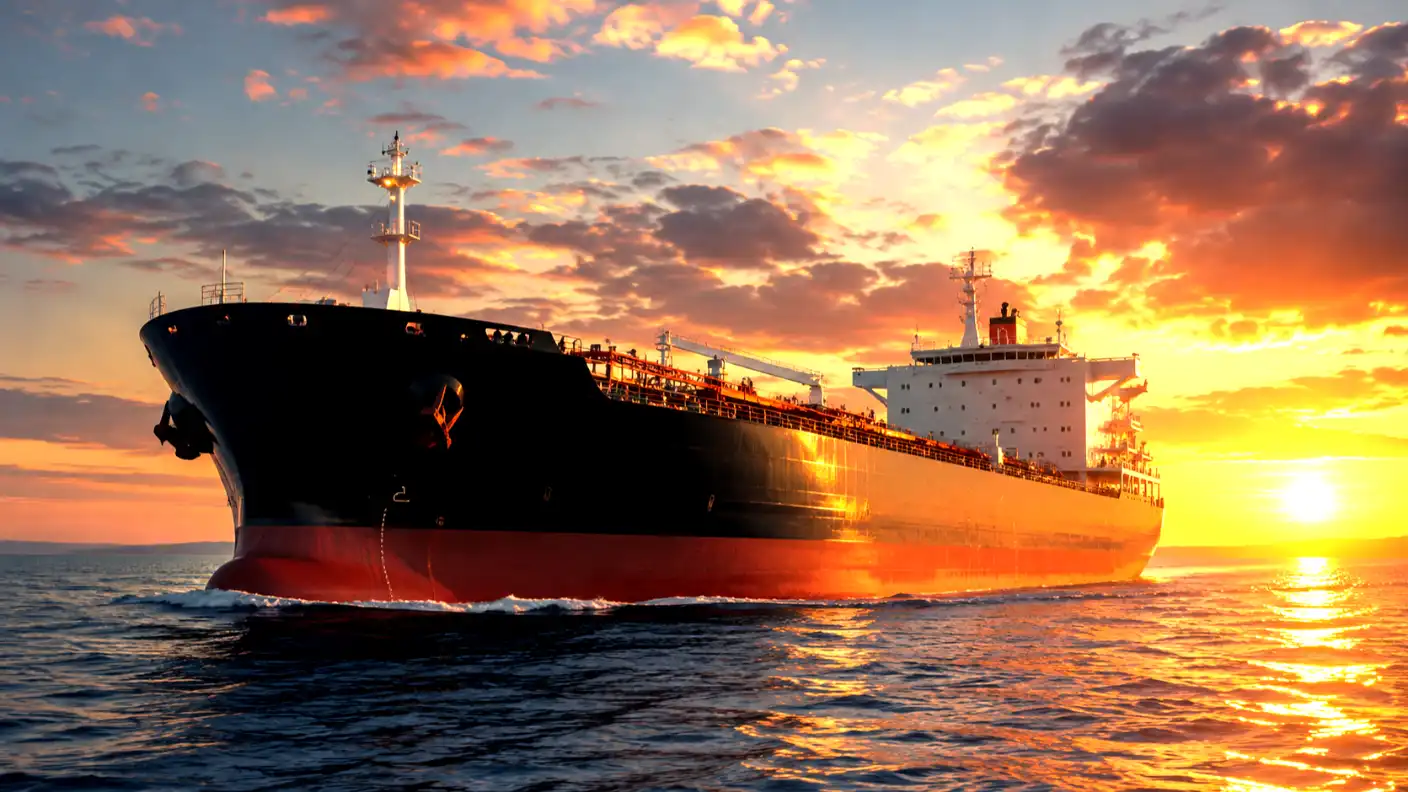
Iran tightly controls the Strait of Hormuz. Government officials in Tehran say shipping traffic will only return to normal after their war with the United States and Israel finally ends. However, the fighting sides remain far apart, and nobody sees a clear path to peace right now. By choking off this vital waterway, Iran stopped nearly all oil exports from the Persian Gulf. This massive disruption sent global energy prices skyrocketing, giving Tehran a powerful advantage at the negotiating table.
President Donald Trump just returned from a 2-day summit in Beijing with Chinese President Xi Jinping. China stands as a close ally of Iran. Both global leaders agreed that the strait must open for international trade. Despite this shared goal, Trump and Xi made absolutely no real progress toward solving the crisis. Iran shows zero interest in giving up its powerful chokehold on the waterway. Iranian leaders insist they will maintain strict control over the region even after the shooting stops.
Iranian President Masoud Pezeshkian recently addressed the shipping crisis. He promised that normal navigation would resume once the current insecurity subsided. Pezeshkian stated that Iran will establish professional monitoring systems in the Strait in accordance with international law. He did not provide specific details on how these systems would work, but he promised that his country still wants a diplomatic end to the war.
Meanwhile, Chinese Foreign Minister Wang Yi demanded a quick opening of the shipping lanes. In response to the Iranian threats, the United States completely blocked Iran from exporting its oil. American officials want to cut off the financial lifeline of the Islamic Republic and force it to accept a peace deal. The two superpowers try to find common ground, but China continues to criticize the military attacks against its Middle Eastern ally heavily.
During his flight back to Washington, Trump told reporters about a major discussion he had with Xi. The two men discussed easing strict American sanctions on Chinese oil companies that buy Iranian crude oil. The United States Treasury Department recently increased these exact penalties to squeeze Tehran harder. In defiance, Beijing told its local companies to ignore the American rules completely. Trump said he will make a final decision on the sanctions in the next few days.
Trump also confirmed he allowed 3 Chinese oil tankers to pass through the Strait of Hormuz this week. However, Iranian state television claimed a much larger number. They reported that the Islamic Revolutionary Guard Corps Navy had safely allowed more than 30 ships to cross the waterway since Wednesday night.
The ongoing crisis creates a massive headache for the White House. The president desperately needs to reopen the shipping lanes and lower global gas prices before the November midterm elections. Voters hate paying high energy bills, and this war caused the biggest oil supply shock in human history. The physical crude markets tightened significantly over the last few weeks. The price of Brent crude oil has jumped an incredible 50% since the conflict began, and traders fear the violence will only get worse.
Pakistan stepped up to help stop the fighting. Pakistani Interior Minister Mohsin Naqvi flew to Tehran on Saturday to meet with Iranian leaders. Pakistan acts as the main mediator between the United States and Iran. Naqvi wants to restart the stalled peace negotiations, especially since ship captains still refuse to risk sailing through the dangerous waters.
Financial experts paint a very dark picture of the immediate future. Becca Wasser, a defense expert at Bloomberg Economics, warned that the current peace talks sit at a total dead end. She noted that sudden violence happens often, and the economic damage of the closed strait keeps growing every single day. She believes the current situation cannot last and expects the two sides to return to open warfare very soon.
To keep the fragile peace talks alive, both sides agreed to ignore the biggest problem in the room. They decided to delay any conversations about the massive stockpile of highly enriched uranium sitting inside Iran. Iranian Foreign Minister Abbas Araghchi spoke at a press conference in India on Friday. He said his team agreed with the Americans to push this highly complicated topic to the very end of the negotiations.
This delay seems strange because Trump originally used the nuclear program as his main reason for starting the war. The president told reporters aboard Air Force One that he would send American troops to secure the uranium at the right time. Yet he previously told a news network that such a military mission serves primarily as a public relations stunt. The true location of the highly enriched uranium remains a total mystery after American and Israeli warplanes bombed the country last June.