

Key Points
- President Trump has officially approved the sale of Nvidia’s H200 AI chips to China.
- The U.S. government will collect a 25% fee on the dollar value of all sales.
- The deal includes strict conditions, such as third-party testing and a ban on military use.
- Nvidia is ramping up production to meet what it calls “very high” demand from China.
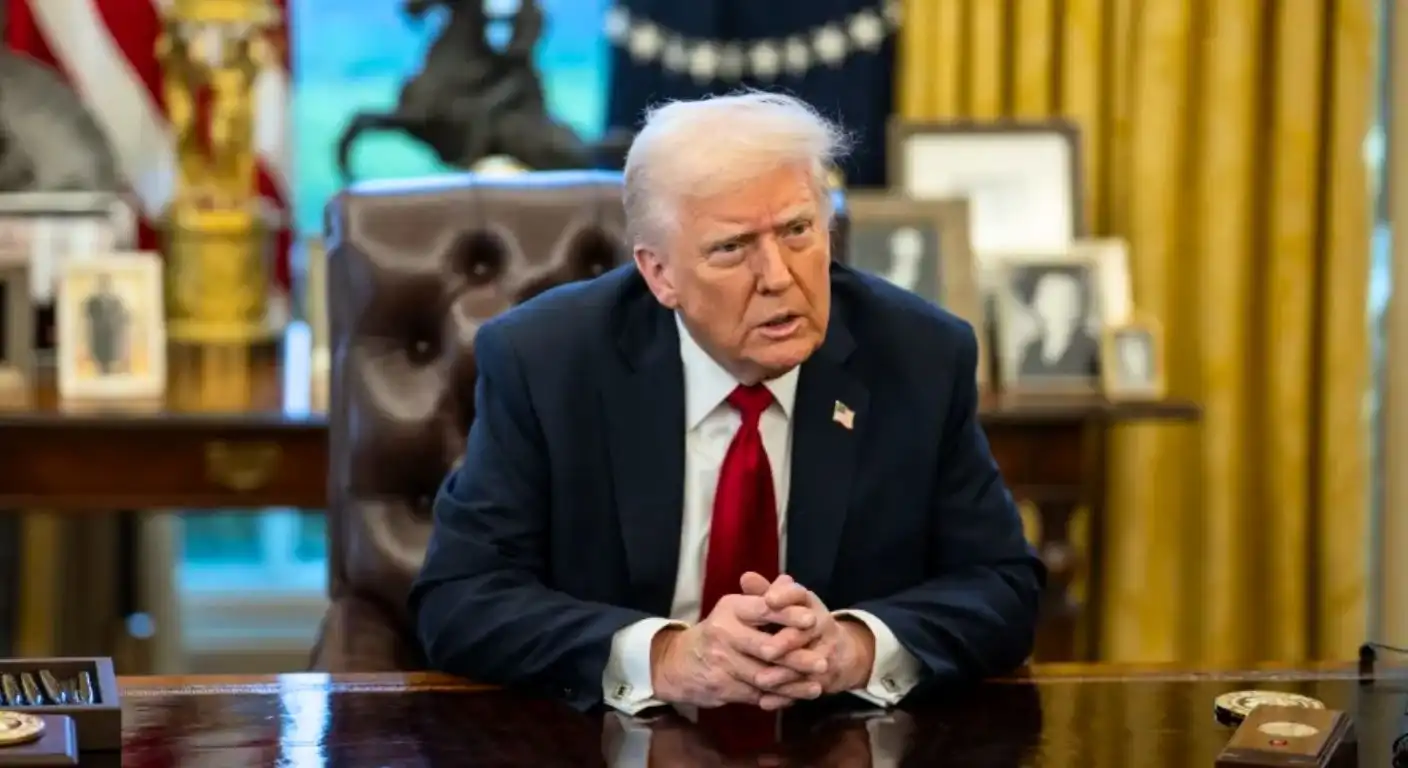
President Donald Trump confirmed on Wednesday that his administration will allow Nvidia to sell its powerful H200 artificial intelligence chips to China. The big catch? The U.S. government will take a 25% cut of all sales. This move formalizes a plan Trump announced a month ago and comes just one day after the government published the official regulations.
This is a major shift in policy. The H200 is a high-performance chip that Nvidia also sells in the United States, not a slowed-down version specifically designed for export.
In his remarks, Trump downplayed the chip’s capabilities, noting that Nvidia already has two newer, more advanced generations, Blackwell and Rubin, in production. “It’s not the highest level, but it’s a pretty good level, and China wants them…and we’re going to be making 25%,” he said.
The deal comes with several strings attached. According to the Commerce Department, chips must be tested by an independent third party in the U.S. before shipment. Chinese customers must demonstrate robust security procedures and are barred from using the chips for military purposes.
Shipments to China will also be capped at 50% of the total volume sold to American customers. The new rules also apply to similar high-end chips from Nvidia’s rival, AMD.
Nvidia applauded the decision. A spokesperson said it “strikes a thoughtful balance that is great for America” by supporting high-paying manufacturing jobs. CEO Jensen Huang recently told reporters that interest from Chinese customers is “very high” and that the company has “fired up our supply chain” to resume chip production.
The big question now is whether China will actually approve the imports. Beijing is pushing hard to build its own domestic chip industry and may not want to become dependent on American technology again.






