Key Points:
- President Donald Trump will visit Beijing to meet Chinese President Xi Jinping on May 14 and May 15.
- The United States demands that China commit to buying 25 million metric tons of American soybeans every year.
- Negotiators hope to finalize an agreement for Boeing to sell 500 passenger jets for an estimated $50 billion.
- The ongoing Iran war and Taiwan remain major obstacles to improving relations between the two global superpowers.
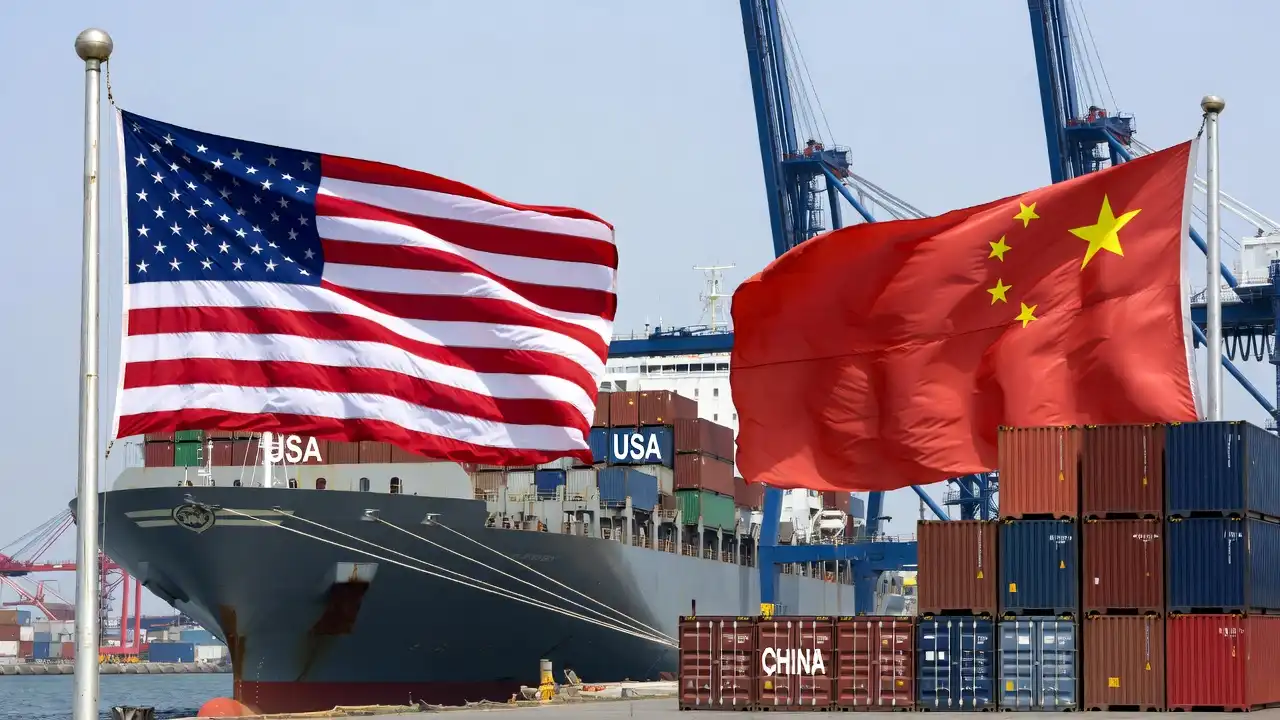
President Donald Trump prepares to travel to Beijing next week for high-stakes meetings with Chinese President Xi Jinping. This historic trip marks the first time a United States leader has visited the Chinese capital in nearly 10 years. The two leaders will sit down for intensive talks from May 14 to May 15. Both presidents want to stabilize global relations that have suffered severe damage recently. Trade disputes, loud disagreements over Taiwan, and the ongoing war in Iran have pushed the two nations far apart.
Political experts do not expect the leaders to announce any major diplomatic breakthroughs at this summit. They do see a strong chance that both sides will agree to extend the temporary trade truce they established last October. The Trump administration desperately needs to secure real economic concessions right now. White House officials want to deliver clear trade victories to boost their political standing ahead of the upcoming November midterm elections.
Negotiators from both countries are currently building a new Board of Trade mechanism. This proposed system aims to boost the exchange of everyday consumer goods without creating national security risks for either side. The United States government pressures China to purchase large quantities of American poultry, beef, and energy products. American trade representatives also demand a strict, multi-year promise from Beijing. They want China to buy exactly 25 million metric tons of American soybeans every single year to support rural American farmers.
A massive aviation contract sits right at the center of the upcoming Beijing talks. Boeing spent months negotiating with Chinese airlines to sell 500 of its 737 MAX passenger jets for an estimated $50 billion. This massive deal hit a brick wall recently. United States officials threatened to block shipments of critical engine parts to China, which stalled the entire airplane purchase. Trump and Xi will try to clear these political roadblocks and finally get the lucrative aviation paperwork signed.
Technology creates another huge battleground for the two world leaders. The Chinese government desperately wants Washington to loosen its strict export limits on advanced semiconductors. Modern computer chips run everything from civilian smartphones to advanced military hardware, and Chinese factories need American parts to compete globally. In return, the United States demands that China remove its strict export controls on rare earth elements. American factories rely entirely on these critical Chinese minerals to build electric vehicles and advanced weapons.
Recent aggressive actions by both governments have only worsened these technological and trade problems. The United States recently slapped heavy financial sanctions on several Chinese oil refineries. Washington punished these specific companies because they ignored American warnings and continued buying crude oil from Iran. Meanwhile, Beijing fought back by introducing strict new rules of its own. Chinese officials launched aggressive investigations into foreign companies that try to move their manufacturing supply chains out of China.
The ongoing war in Iran creates a very difficult diplomatic hurdle for both nations to clear. United States Treasury Secretary Scott Bessent recently urged China to use its vast influence in the Middle East. He wants Beijing to help reopen the Strait of Hormuz. This vital waterway handles a massive portion of global oil shipments, and its closure hurts economies everywhere. Chinese leaders completely reject this American request. They maintain that Washington started the conflict and must take full responsibility for ending it.
Taiwan remains the most sensitive and explosive topic on the meeting agenda. Chinese Foreign Minister Wang Yi recently called the island the biggest point of risk to the relationship between the two superpowers. China claims Taiwan as its own sovereign territory and aggressively objects to any foreign military or political interference. The United States continues to supply Taiwan with weapons, which angers the Chinese government deeply.
Inside sources indicate Beijing uses private channels to demand a change in American behavior regarding the island. Chinese officials want the United States to shift its official diplomatic language regarding Taiwan’s independence. If Washington agrees to soften its tone, the move could significantly change how military experts assess security risks across the entire region of Asia. A language change might ease immediate tensions, but it would anger American allies in the Pacific.
Both presidents face heavy pressure at home to walk away with a clear victory. Trump needs strong agricultural sales and factory orders to impress his core voters before the elections. Xi needs reliable access to American computer chips to keep his domestic technology sector growing and prevent an economic slowdown. When the two leaders shake hands in Beijing next week, the whole world will watch closely to see who compromises first.