Key Points
- President Trump signed an executive order to reclassify marijuana from a Schedule I to a Schedule III drug.
- This is the biggest change in U.S. cannabis policy in over 50 years, recognizing its medical use.
- The move provides a major financial lifeline to the cannabis industry by expanding tax deductions and access to banking.
- The administration is also launching a Medicare pilot program for doctor-recommended CBD products.
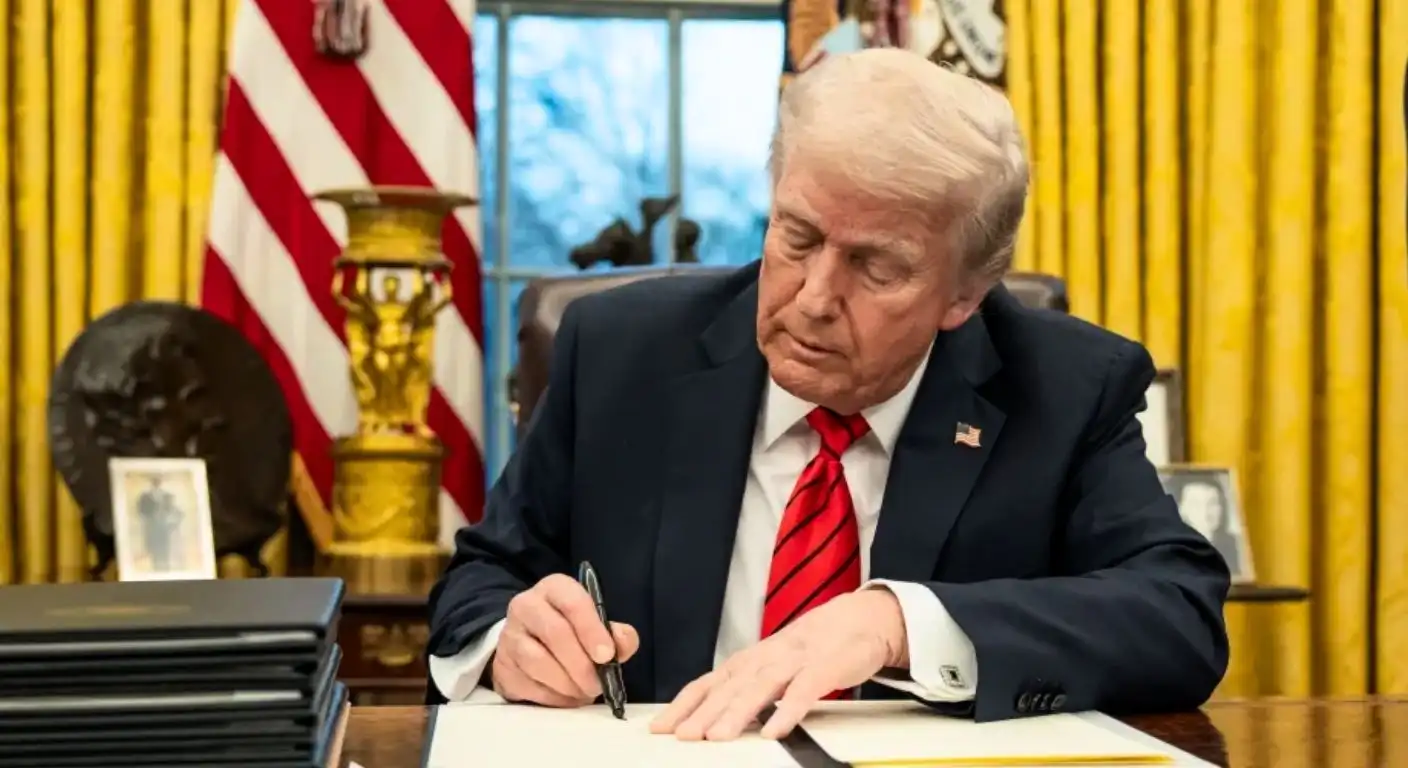
In the biggest change to U.S. cannabis policy in over 50 years, President Donald Trump signed an executive order Thursday to officially reclassify marijuana as a less dangerous drug. The move loosens decades-old federal restrictions and recognizes the drug’s accepted medical use.
The order will move cannabis from a Schedule I classification—the most restrictive category, alongside heroin—to Schedule III. This new category is for substances with a lower potential for abuse, like ketamine and Tylen-ol with code-ine.
Trump said the action was requested by patients suffering from a wide range of medical conditions, including veterans and older Americans. “This is only the beginning,” said Ben Kovler, CEO of the cannabis company Green Thumb.
The reclassification is a massive financial boost for the struggling cannabis industry. For the first time, companies will be able to deduct ordinary business expenses such as rent and payroll, which they were previously prohibited from deducting. It also opens the door for them to finally access traditional banking services.
In a related move, the administration also announced a new pilot program that will allow some Medicare seniors to receive free, doctor-recommended CBD products.
However, the President was quick to clarify the limits of the new policy. “I want to emphasize that the order… doesn’t legalize marijuana in any way, shape or form, and in no way sanctions its use as a recreational drug,” Trump said.