Key Points
- It was a week of extreme volatility on Wall Street, marked by a major sell-off followed by a sharp rebound.
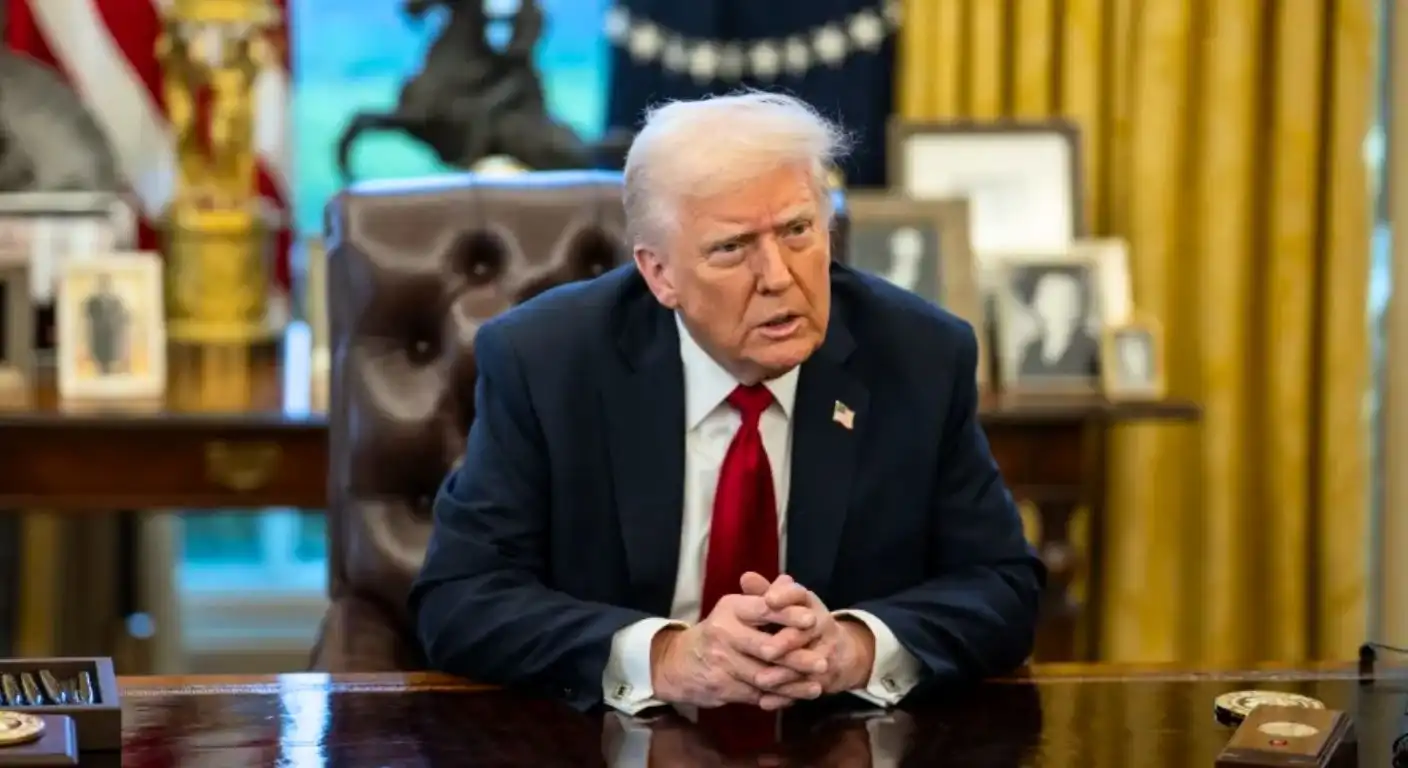
- The whiplash was caused by President Trump’s threat of new tariffs on European countries over Greenland, which he later backed down from.
- A meltdown in the Japanese bond market also heightened market anxiety.
- Gold was the big winner of the week, smashing through records to hit over $4,900 an ounce.
It’s been a week of whiplash for investors. A sudden threat of new tariffs from President Trump, followed by a dramatic reversal, sent stocks on a roller coaster ride. At the same time, a meltdown in the Japanese bond market added to the chaos. The result? A week of extreme volatility that has left many wondering what’s next.
The drama began on Sunday, when Trump threatened to impose new tariffs on eight European countries over the Greenland dispute. U.S. markets were closed for a holiday on Monday, but the pent-up anxiety exploded on Tuesday, with the Dow sinking over 800 points.
But just as quickly as the panic started, it ended. On Wednesday, Trump backed down from his threat after a meeting with NATO’s secretary general, and stocks roared back. “Just like what took place several times last year, the president fixed a problem of his own making,” one analyst said.
Meanwhile, a stunning spike in Japanese bond yields on Tuesday also spooked global markets, sending U.S. Treasury yields higher. While that situation has since stabilized, the combination of trade uncertainty and bond market volatility was a potent cocktail.
The real winner of the week was gold. The precious metal smashed through record after record, soaring past $4,900 an ounce for the first time. It’s on track for its biggest weekly gain in almost six years, as investors flock to it as a haven amid the chaos. The U.S. dollar, on the other hand, is having its worst week since June.
As the week comes to a close, investors are left to ponder the unpredictability of it all. The market has proven to be resilient, but the constant policy flip-flops and geopolitical flare-ups are making for a very bumpy ride.