
Key Points:
- UN Secretary-General António Guterres warned that the looming El Niño conditions will “pour fuel on the fire of a warming world.”
- The World Meteorological Organization (WMO) predicts an 86% chance that global temperatures will break records between 2026 and 2030.
- Forecasters project an 82% probability that a strong, or “Super,” El Niño will develop in the tropical Pacific, peaking by early winter.
- Although climate change does not increase El Niño’s frequency, it severely amplifies its impacts, driving catastrophic heatwaves, droughts, and floods.
The United Nations has issued an urgent, high-stakes warning regarding a rapidly developing planetary climate event that threatens to push global temperatures to dangerous new heights. In an official briefing on Tuesday, June 2, 2026, UN Secretary-General António Guterres delivered a stark assessment of the looming weather pattern, declaring that the return of El Niño conditions will effectively “pour fuel on the fire of a warming world.” This massive natural phenomenon, combined with humanity’s persistent carbon emissions, is creating an environmental “Code Red” that could trigger catastrophic heatwaves, crop failures, and severe weather disasters across multiple continents in the coming months.
At the heart of this global climate warning is the El Niño-Southern Oscillation (ENSO), a recurring natural climate pattern in the tropical Pacific Ocean. During an El Niño phase, the easterly trade winds that typically push warm surface waters westward across the Pacific begin to weaken. Consequently, this warm water spreads eastward toward South America, preventing cold, nutrient-rich deep waters from rising to the surface. This vast carpet of warm ocean water releases immense amounts of thermal energy directly into the atmosphere. This atmospheric heat pulse acts as a global release valve, altering jet streams, disrupting planetary wind patterns, and driving extreme weather anomalies thousands of miles away from the equator.
The latest oceanographic datasets indicate that this upcoming event could be among the strongest in modern history, potentially matching the historically destructive “Super El Niño” episodes of 1982, 1997, and 2015. The U.S. Climate Prediction Center projects an 82% chance that El Niño conditions will fully develop in the equatorial Pacific by the end of July, with a 67% chance that it will mature into a highly intense, “very strong” event when it peaks between November and January. This rapid surface warming represents an alarming acceleration, as global temperatures are already starting from an elevated baseline due to decades of greenhouse gas accumulation.
The World Meteorological Organization (WMO) has urged national governments and emergency management agencies to prepare immediately for extreme weather risks. WMO Secretary-General Celeste Saulo explained that while scientists currently find no direct evidence that human-caused climate change increases the actual frequency of El Niño events, global warming undeniably supercharges their real-world impacts. “Climate change is making associated impacts, such as extreme heatwaves, heavy rainfall, and severe droughts, significantly worse,” Saulo warned. This means that normal El Niño weather anomalies will likely manifest as highly destructive, historic disasters that will test the limits of municipal infrastructure and agricultural resilience.
The immediate consequence of this supercharged climate cycle will be a rapid, unprecedented spike in global surface temperatures. A specialized climate assessment produced by the UK Met Office for the WMO predicts a staggering 86% chance that at least one year between 2026 and 2030 will surpass 2024 as the hottest year on record. Furthermore, the report outlines a highly concerning 75% probability that the average global temperature over these five years will exceed 1.5 degrees Celsius (1.5 °C) above the pre-industrial average. This indicates that the long-standing Paris Agreement target of limiting global warming to 1.5 °C over a twenty-year average is rapidly slipping out of reach.
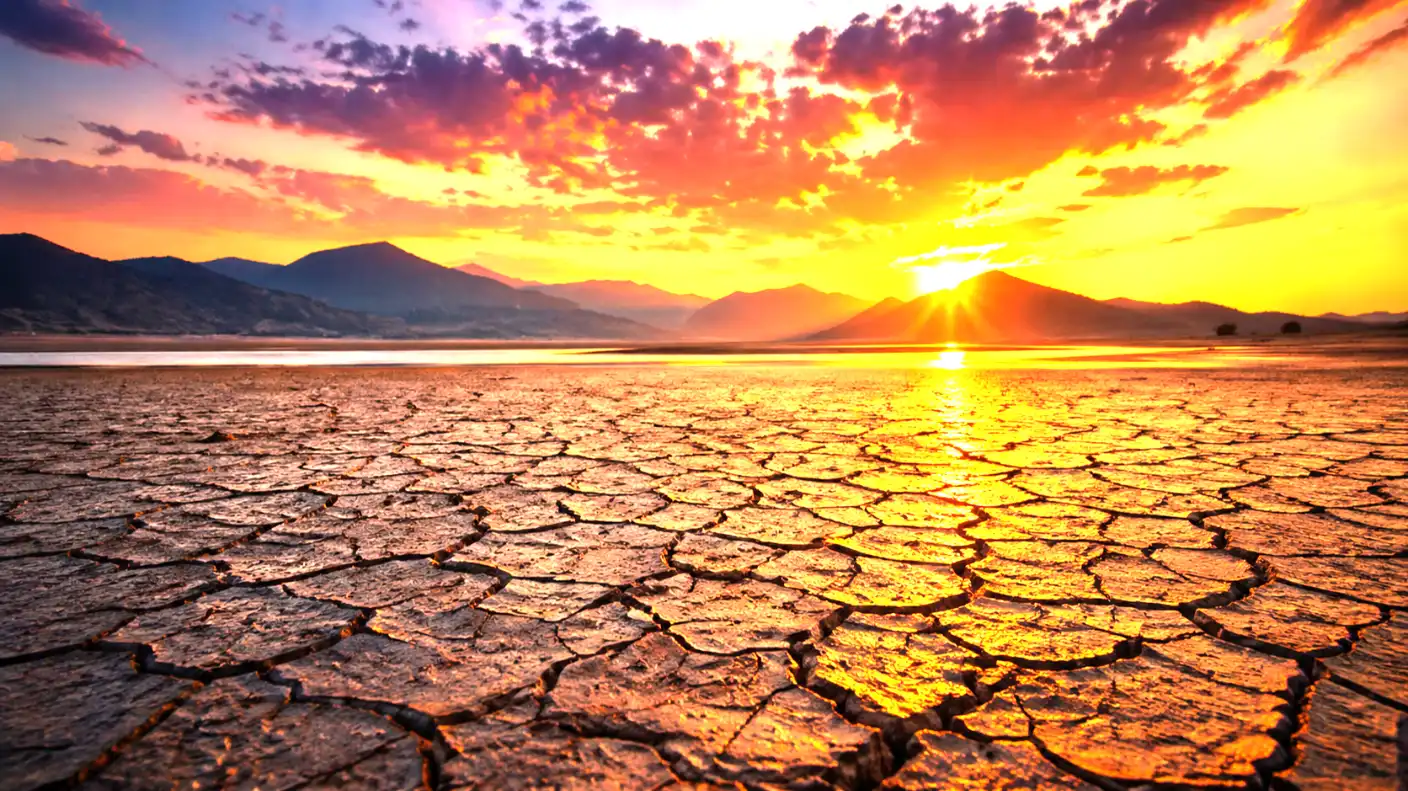
The physical manifestations of this climate cycle will be highly diverse and globally widespread, impacting nearly 1.5% of the global economy through direct agricultural losses. Historical data show that El Niño typically brings heavy, flood-triggering rainfall to the southern United States, central Asia, and parts of South America. Conversely, the same system drives more severe, crop-withering droughts across Australia, Indonesia, Central America, and the Horn of Africa. These extreme weather shifts threaten to trigger massive food shortages by devastating local cereal production, collapsing fisheries in the Pacific Ocean, and causing widespread livestock malnutrition, particularly in vulnerable developing nations across Eastern and Southern Africa.
Some regions are already experiencing the early, brutal impacts of this accelerating climate crisis. Late May 2026 saw record-breaking, early-season heatwaves sweep across Europe and the United Kingdom, pushing local water and power infrastructure to its limits. In Southeast England, thousands of households found themselves entirely without running water as high consumer demand, following an exceptionally dry spring, exposed the vulnerabilities of Britain’s aging water networks. UN climate chief Simon Stiell pointed out that these localized crises are a brutal reminder of the spiraling economic and human costs of climate change, proving that no nation is insulated from these atmospheric shifts.
This mounting environmental damage is forcing global leaders to reassess their economic structures and invest heavily in climate mitigation technology. The economic toll of severe weather events is projected to rise exponentially, potentially costing the global economy trillions of dollars in infrastructure damage and lost labor productivity over the next decade. To minimize these losses, the UN is urging governments to accelerate their transition away from fossil fuels and invest in localized renewable energy grids, advanced early-warning systems, and smart water management technologies. Officials argue that proactive adaptation and green technology are no longer just optional environmental initiatives, but the core business of national survival.
Ultimately, the UN’s latest El Niño warning serves as an urgent, final wake-up call for the global community. The physical reality of a supercharged, record-breaking weather pattern proves that the window to prevent catastrophic warming is closing rapidly. As the tropical Pacific continues to absorb heat and prepare to release it into the global atmosphere, the coming months will test the resilience of human civilization. By combining advanced early-warning technology, coordinated humanitarian aid, and a rapid shift toward clean energy, nations can still mitigate the worst of the coming disasters, proving that while we cannot stop El Niño, we can still choose how we survive it.