Key Points:
- Transportation Security Administration screening data reveals negative year-over-year growth for major US airlines despite a slight weekly improvement.
- Alaska Air Group and Southwest Airlines experienced the largest drops in passenger volume, falling 6.3 percent and 4.6 percent, respectively.
- Airlines continue to slash their upcoming summer flight schedules to offset skyrocketing fuel costs caused by the ongoing war in Iran.
- Carriers are closely watching the market as Spirit Airlines plans to exit several routes, shifting passenger traffic to other airlines.
US airlines face a very harsh reality as they prepare for the busy travel season. Even with a tiny improvement in foot traffic last week, Transportation Security Administration screening numbers show that fewer people are flying than at this time last year. Passengers simply refuse to pay sky-high ticket prices for a standard flight. The negative year-over-year growth proves that everyday consumers are holding tightly onto their cash.
The Bernstein Societe Generale Group recently published a highly detailed report explaining this exact problem. Their financial analysts point out that the entire aviation sector is navigating a brutal and challenging demand environment. Airlines are desperately trying to survive current market conditions by keeping ticket prices elevated and strategically cutting scheduled flights. They want to fly fewer planes but charge more money for every single seat on board.
The ongoing war in Iran stands as the main culprit behind this travel mess. The military conflict has completely disrupted the global oil supply chain and caused aviation fuel costs to skyrocket over the past few months. To cover these massive new fuel bills and prevent severe financial losses, airlines feel they have no choice but to pass the high costs directly on to their customers.
Unfortunately, regular people simply cannot afford these newly expensive tickets. The latest government screening data clearly proves this point. Over the past seven days, every major domestic airline saw a significant drop in its available seat-mile-weighted numbers. When researchers compare these new figures to the same week last year, the downward trend is undeniable across the board.
Some specific carriers took a much harder hit than their competitors. Alaska Air Group suffered the worst blow by far, recording a massive 6.3 percent drop in its total screening numbers. Southwest Airlines followed closely behind the pack, watching its own passenger screenings fall by a painful 4.6 percent. These steep declines show that budget-conscious flyers are canceling their plans.
The massive legacy carriers also felt the intense financial squeeze this week. Both Delta Air Lines and United Airlines reported that their passenger screenings dropped by roughly 2.0 percent. While a 2.0 percent drop may sound small, it represents thousands of empty seats and millions of dollars in lost revenue for airlines. They are desperately trying to fill their cabins, but the high fares keep pushing potential travelers away from the booking screens.
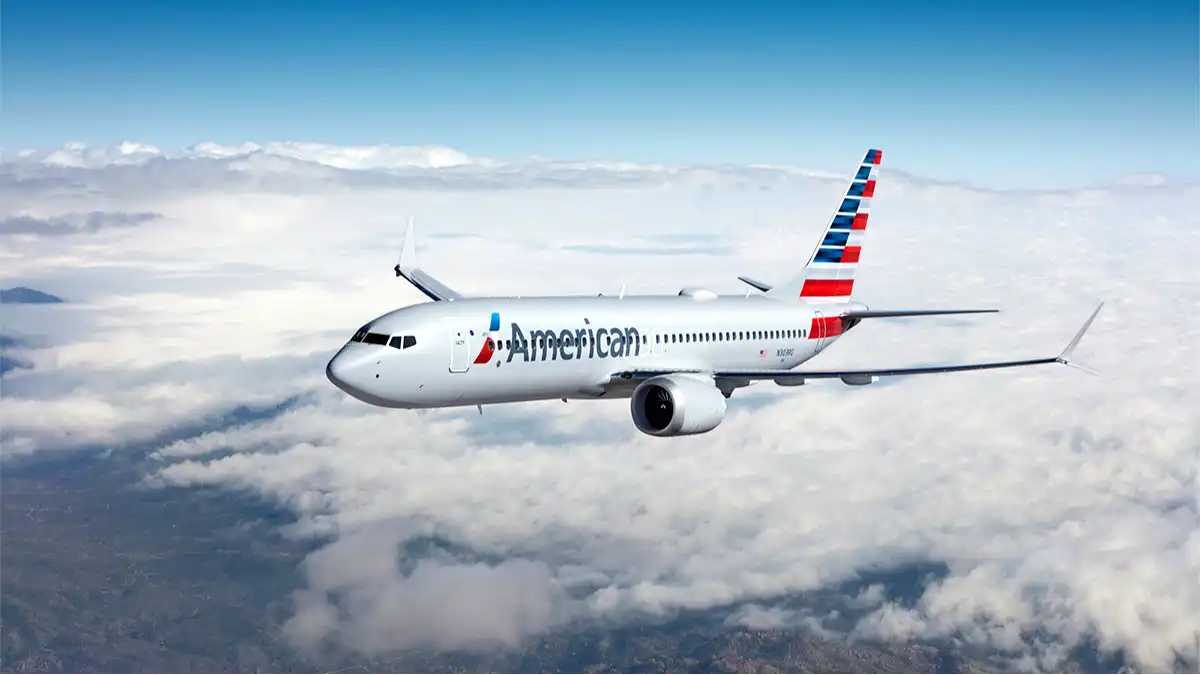
American Airlines managed to survive the week looking slightly better than its direct rivals. The company reported a much more modest 1.5 percent decrease compared to last year. However, Bernstein analysts quickly poured cold water on that small victory. They noted that this smaller drop was mostly due to American Airlines having a terrible year in 2025. The airline faced massive operational challenges and delays back then, which makes their current numbers look artificially better today.
Airline executives are not just sitting around waiting for the economic situation to get worse. They review the current booking data and realize they need to act quickly to protect their profits. Because passenger demand looks incredibly soft right now, airlines are actively changing their forward-looking flight schedules. They are pulling planes out of the sky to match the lower demand.
Just a few months ago, airlines confidently scheduled a healthy 3.6 percent increase in total domestic capacity for the second quarter of 2026. Now, they are rapidly walking back those optimistic growth plans. Over the past week alone, carriers quietly trimmed their total industry capacity for May by a noticeable 0.3 percent. They also slashed their upcoming June flight schedules by an additional 0.5 percent to stop the financial bleeding.
At the same time, the entire aviation industry is watching Spirit Airlines very closely. The well-known budget carrier plans to exit several major travel markets in the near future. When Spirit officially leaves those established routes, competing airlines expect a massive wave of displaced passengers. These travelers will scramble to find new flights, redistributing passenger volumes across the remaining low-cost and legacy carriers.
Despite the tiny weekly uptick in passenger volume, the big picture looks incredibly grim for the travel industry. Everyday consumers remain extremely sensitive to high ticket prices. Families simply refuse to drain their savings accounts just to take a short summer vacation. The war-related fuel price spike acts as a massive barrier to travel.
As the industry heads straight into the peak summer travel season, this primary headwind will dictate everything. Airlines must find a way to balance their skyrocketing fuel costs with the harsh reality of frustrated, budget-conscious travelers. If the airlines push their prices any higher, they might end up flying empty planes across the country all summer long.