Key Points:
- The United States and European Union signed a Memorandum of Understanding to coordinate critical mineral supplies.
- The agreement aims to counter China’s massive global dominance over minerals used in semiconductors and weapons.
- The two powers will coordinate subsidies, manage emergency stockpiles, and invest in joint research projects.
- The EU continues pushing the US to ease its punishing 50 percent tariff on European steel and aluminum imports.
The United States and the European Union are joining forces to secure the future of global technology and defense. On Friday, the two massive economic powers officially signed a historic agreement to coordinate their supply chains for critical minerals. These specific minerals are essential for manufacturing everything from everyday consumer electronics to highly advanced military weapons systems.
US Secretary of State Marco Rubio and EU Trade Commissioner Maroš Šefčovič met face-to-face to sign the paperwork. They officially signed the Memorandum of Understanding on a Strategic Partnership for Critical Minerals right inside the historic Treaty Room at the State Department headquarters in Washington.
Before putting pen to paper, Secretary Rubio spoke clearly about the stakes involved. He stated that this new commitment to the European Union underscores how important supply chains and critical minerals are to the ultimate success of Western economies and to basic national security. Rubio highlighted a massive, glaring vulnerability in the current global system. He warned that the extreme over-concentration of these vital resources, and the simple fact that only one or two places completely dominate them, creates a totally unacceptable risk for the free world.
Rubio stressed the desperate need for geographic variety. He argued that the West simply must have diversity in its supply chains, especially finding new places in the world to source the minerals that keep modern society running. Commissioner Šefčovič strongly echoed those sentiments, noting that the new agreement will make both powers even more strategic together. He promised that with this massive Memorandum of Understanding in place, the allies will start delivering on their shared goals much faster than ever before.
This new pact marks a very rare embrace of the European Union by President Donald Trump’s administration. In the past, the current administration often berated the massive political bloc, instead championing specific right-wing populist leaders in individual European countries. However, the shared threat of China’s total market dominance clearly forced Washington to change its harsh diplomatic tune.
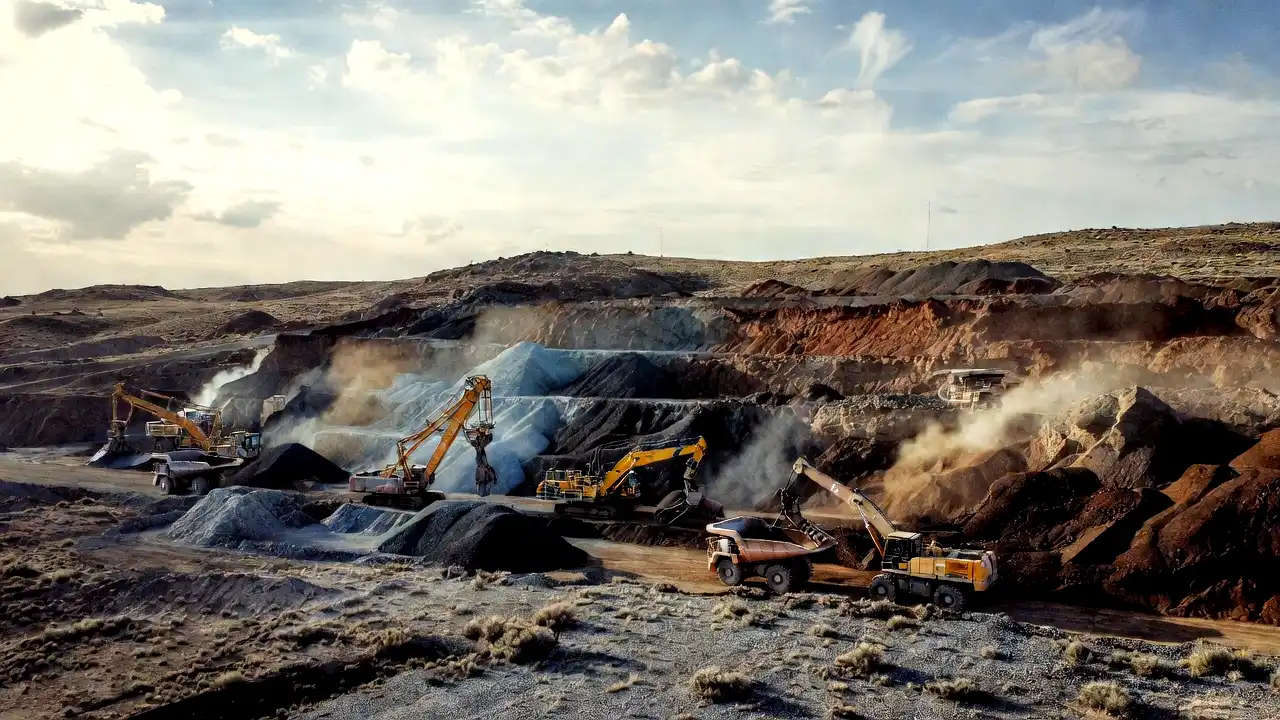
Beijing knows exactly how much power it holds over these specific supply chains. Flexing its massive economic muscle during times of global tension, China frequently restricted the exports of critical minerals. Western companies desperately need these specific Chinese exports to build modern semiconductors, high-capacity electric-vehicle batteries, and complex missile-guidance systems. The new US-EU agreement hopes to break that dangerous monopoly. The two powers will now actively coordinate their financial subsidies, manage their emergency mineral stockpiles together, set joint standards to facilitate trade across the entire Western world, and invest substantial funds in shared scientific research.
This is not the first time the United States has tried to build a coalition. The Trump administration previously called for creating a massive, preferential trade zone specifically for critical minerals among friendly allied nations. Washington already unveiled similar critical minerals action plans with Mexico and Japan, while also launching a broader supply framework with Australia and several other nations.
While the minerals agreement represents a massive diplomatic win, severe friction still exists across the Atlantic. The European Union is currently fighting hard to secure more progress in easing the devastating effects of the punishing US steel tariffs. Commissioner Šefčovič tried to sound optimistic, noting that ongoing talks on the massive tariffs are progressing in a very positive direction.
The political reality remains very messy. Key issues continue to plague the massive transatlantic trade relationship. Ever since President Trump returned to the White House last year, major European manufacturers have suffered under his sharp, punishing 50 percent tariff on all steel and aluminum imports. While Brussels and Washington successfully clinched a massive deal last summer, setting US tariffs at a much more reasonable 15 percent for most EU goods, critical steel and aluminum products were completely excluded from that specific agreement.
While the Trump administration recently simplified exactly how it applies import tariffs on steel, Šefčovič admitted that massive problems remain. He told reporters that the EU still has serious issues with the remaining products currently subject to the harsh 50 percent penalty. He stressed that it would be incredibly important for the European economy to gain positive traction on this issue.
Šefčovič also pointed out that the United States and the European Union actually face the same enemy in the steel market. Both massive economies suffer from extreme overcapacity in the global market, driven almost entirely by cheap Chinese exports. He recounted the EU’s recent, aggressive decision to more than double its tariffs on foreign steel to shield its struggling domestic industry from cheap Chinese dumping. As a final step, Šefčovič proposed launching joint work with the US on steel ring-fencing to build a massive, shared defensive mechanism against heavily subsidized steel.