Key Points:
- U.S. officials conducted currency rate checks in January to support the Japanese yen.
- The New York Federal Reserve acted without a direct request from Japan.
- Treasury Secretary Scott Bessent led the effort due to Japanese election concerns.
- Officials worried that political instability in Japan could disrupt global financial markets.
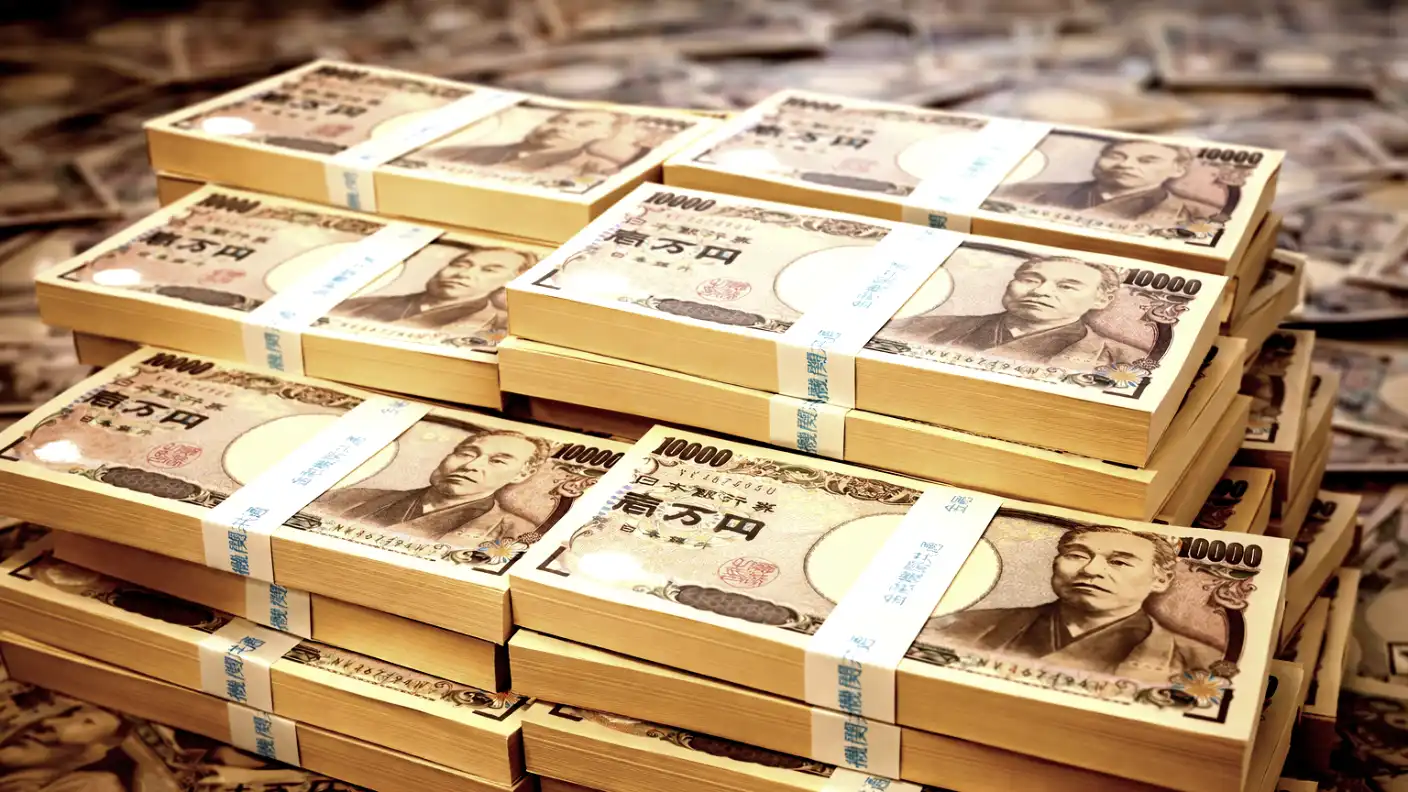
The United States government took quiet but firm steps to protect the Japanese yen earlier this year. According to the Nikkei newspaper, American authorities initiated currency rate checks in January. They wanted to support the struggling yen and stop potential financial panic.
The New York Federal Reserve carried out these rate checks for the U.S. Treasury Department. Interestingly, the United States made this move entirely on its own. Japan’s Ministry of Finance never asked the Americans to step in.
Treasury Secretary Scott Bessent directed the operation because he saw trouble brewing. Japan was facing a major general election, and political uncertainty often makes international investors nervous.
Bessent worried that a sudden panic in Tokyo could cross the Pacific. A crashing yen has the power to create massive ripple effects throughout the global financial system. The Treasury wanted to catch any problems before they spread to American shores.
Financial experts view rate checks as a serious warning. When central bankers call private banks to check currency prices, traders know the government might act. It serves as a clear preliminary step toward actual market intervention.
American officials strongly considered taking direct action. They prepared a plan to actively buy the Japanese yen in the open market. A senior official confirmed the U.S. team stood ready to launch a joint intervention.
However, the United States drew a clear line. They would only buy the currency if Tokyo formally requested the help. By preparing in advance, the Treasury ensured it could act immediately if the election caused a genuine global crisis.