Key Points
- Warner Bros. has rejected a $77.9 billion hostile takeover bid from Paramount.
- The company is urging shareholders to stick with a $72 billion offer from Netflix.
- Warner’s board called Paramount’s offer a “risky” leveraged buyout with too much debt.
- Netflix only wants the studio and streaming business, while Paramount wants the entire company.
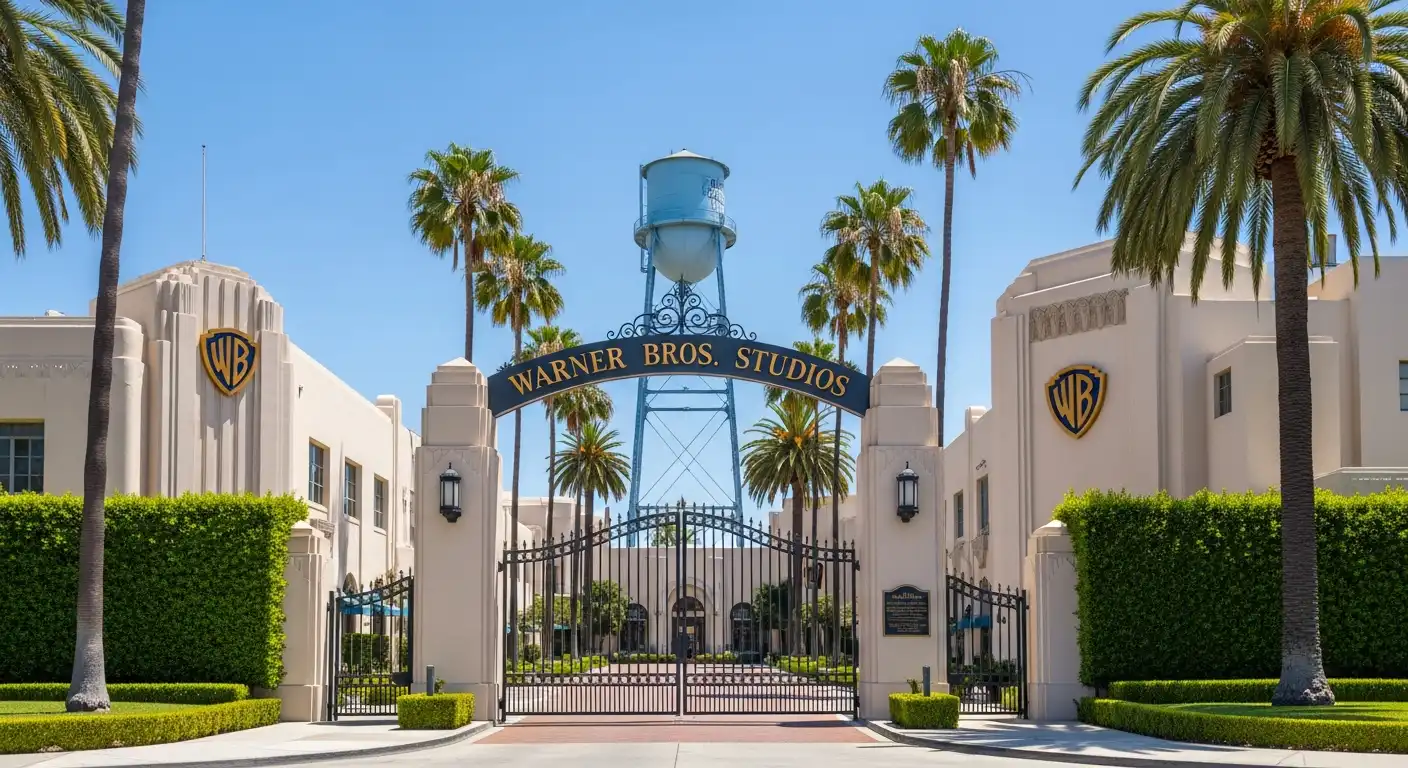
Warner Bros. has once again rejected a takeover bid from Paramount, telling its shareholders on Wednesday that a rival offer from Netflix is the better and safer choice. This is the latest move in a high-stakes battle for control of one of Hollywood’s most iconic studios.
Warner’s leadership has been pushing for a $72 billion deal to sell its studio and streaming business to Netflix. Paramount, however, has been trying to spoil that plan with a hostile takeover bid of its own, offering $77.9 billion for the entire company.
In a letter to shareholders, Warner’s board said Paramount’s offer is not in the company’s best interests. They described it as a “leveraged buyout” that involves an “extraordinary amount of debt.” They also noted that the deal carries significant risks and offers little protection for shareholders if it falls through. “The company’s agreement with Netflix will offer superior value at greater levels of certainty,” Warner’s chairman said.
Paramount has been trying to make its offer more attractive. Last month, it announced that Oracle founder Larry Ellison, whose son is the CEO of Paramount, would personally guarantee a massive chunk of the financing. Paramount also matched Netflix’s $5.8 billion “breakup fee,” which would be paid to shareholders if regulators block the deal.
The situation is complicated because the two bidders want different parts of the company. Netflix is only interested in the studio and streaming assets, including HBO Max. If that deal goes through, Warner’s news and cable networks, like CNN and Discovery, would be spun off into a new, separate company. Paramount, on the other hand, wants to buy everything.
No matter who wins, any deal will face a long and tough road ahead. It will almost certainly trigger a major antitrust review by the U.S. Justice Department, and with President Trump in the White House, politics are expected to play a big role in the outcome.