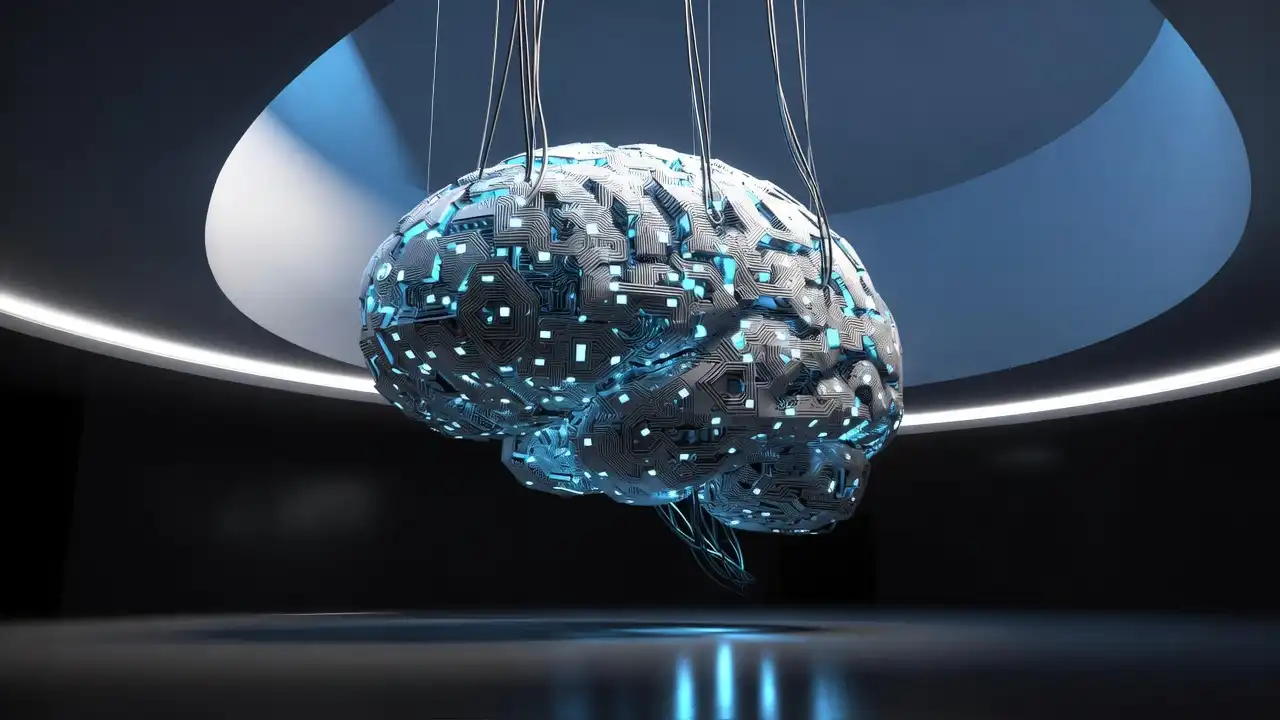
When we think of automation, we usually picture giant robot arms in a car factory. But the biggest change to the workforce isn’t a physical robot; it’s a piece of software. Algorithms are quietly becoming the new middle managers for millions of people. They set schedules, assign tasks, and track every second of performance. This shift is creating a new kind of workplace, one that is more efficient than ever before, but also one that risks treating human beings like parts in a machine.
The Software That Gives the Orders
In warehouses, for delivery drivers, and for freelance gig workers, the boss is no longer a person you can talk to. It is an algorithm. This software analyzes data to determine the most efficient route, the optimal time to schedule a shift, or the next task to assign a worker. On the surface, this seems fair and logical. The algorithm has no favorites and just wants to get the job done. But it also means the human connection in management is disappearing. There is no one to ask for flexibility if your child is sick or to explain a unique problem that the software doesn’t understand.
The Unrelenting Pace of Peak Efficiency
The primary goal of an algorithm is to optimize for a specific target, usually speed or cost. This creates a work environment that is relentlessly paced. The algorithm calculates the fastest possible time to pick an item off a shelf or complete a delivery, and it expects the human worker to meet that target every single time. There is no room for a bad day, a moment of fatigue, or a friendly chat with a coworker. This relentless drive for efficiency can lead to burnout and a feeling that you are competing against a machine that never needs a break.
When the Code Is Unfair
Algorithms are only as smart as the data we feed them. If the historical data used to train an algorithm contains biases, the algorithm will be biased too. For example, an algorithm might learn to schedule men for more profitable shifts than women, or it might unfairly penalize a driver for traffic jams that are beyond their control. The biggest problem is that these decisions are often made inside a “black box.” A worker might get fired or see their pay cut without ever knowing the specific reason, and there is no manager to appeal to. You can’t argue with a line of code.
Putting People Back in the Equation
The future isn’t about getting rid of automation; it is about making it serve humanity, not the other way around. We need to demand transparency. Workers should have the right to know how the algorithms managing them make decisions. We also need to build in human oversight, creating systems where people can appeal an algorithmic decision to a real person. Ultimately, this new world will force us to double down on the skills that machines can’t replicate: creativity, critical thinking, and empathy. The best jobs of the future will involve working with automated systems, not for them.
Conclusion
Automation is reshaping our workforce at a fundamental level. The challenge we face is not about stopping progress, but about guiding it with our values. We must design a future where algorithms are used as tools to help people, not as systems to control them. If we succeed, we can create a workplace that is both incredibly efficient and deeply human. If we fail, we risk building a world where people are judged by the cold, hard logic of a machine.