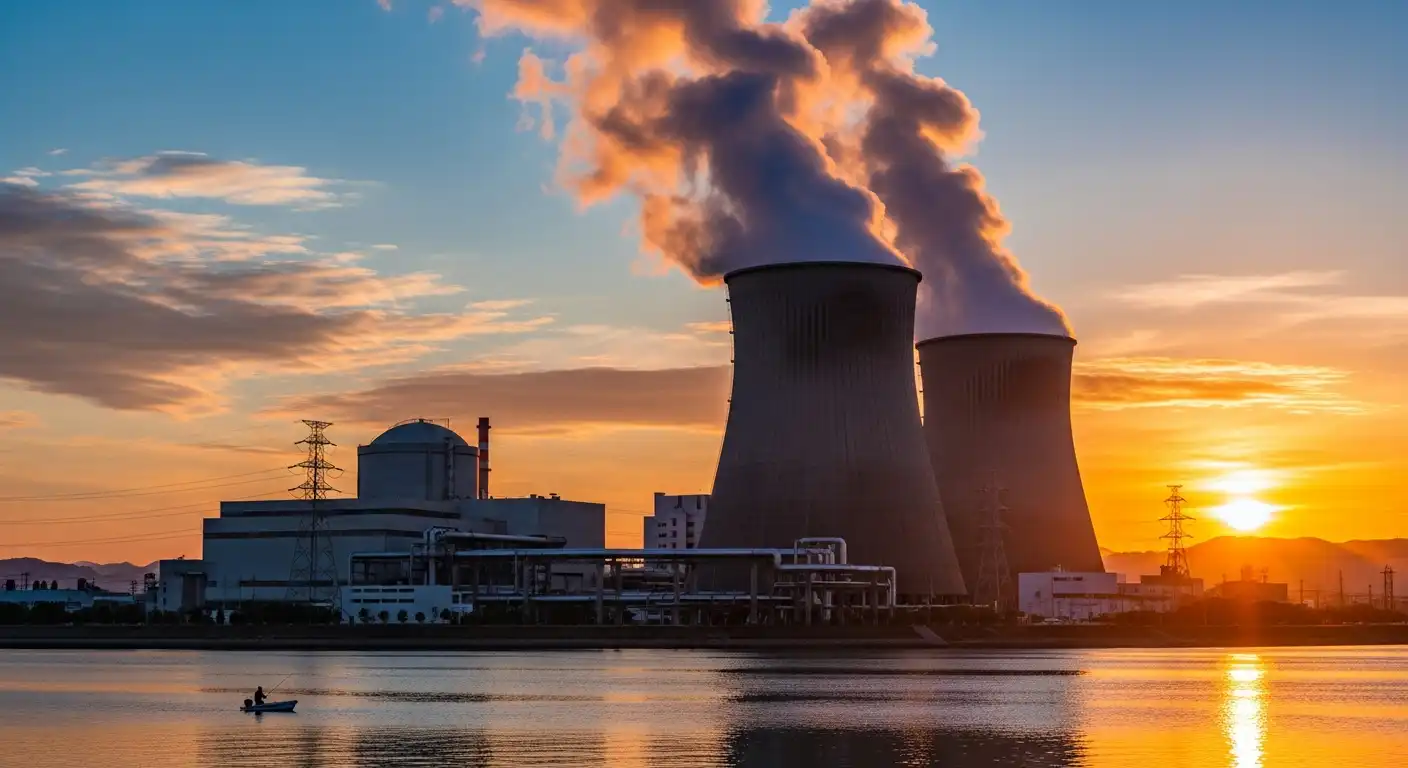
Nuclear power plants have long been regarded as towering technological achievements and symbols of energy potential. These facilities harness the immense power of nuclear reactions to generate electricity, supplying a significant portion of the world’s energy needs. However, their operation is not without controversy, as the benefits of nuclear power must be carefully weighed against safety concerns, environmental impact, and public perception.
At the core of a nuclear power plant’s operation is the process of nuclear fission, where the nucleus of a heavy atom, typically uranium or plutonium, splits into smaller fragments, releasing a tremendous amount of energy. This energy is utilized to heat water, creating steam that drives turbines connected to generators, ultimately generating electricity. The efficiency of this process, combined with the high energy density of nuclear fuel, makes nuclear power plants a potent source of electricity.
One of the primary advantages of nuclear power is its capability to produce large amounts of electricity with minimal greenhouse gas emissions. Unlike fossil fuel-based power plants, nuclear power plants do not release carbon dioxide during electricity generation, contributing to efforts to mitigate climate change. This characteristic has positioned nuclear energy as a low-carbon alternative to traditional fossil fuels.
However, the benefits of nuclear power come with significant challenges, the foremost being safety concerns. The catastrophic events at Chornobyl in 1986 and Fukushima in 2011 underscore the potential risks associated with nuclear power plant accidents. While modern nuclear reactors incorporate advanced safety features and stringent regulatory oversight, the specter of nuclear accidents remains a concern, necessitating continuous vigilance and ongoing improvement in safety protocols.
Radioactive waste management is another critical aspect of the nuclear power equation. The spent fuel generated during the nuclear fission process remains highly radioactive and poses challenges in storage and disposal. Long-term solutions for safely managing nuclear waste are imperative to address environmental and public health concerns.
Public perception and acceptance of nuclear power also play a pivotal role in its future. Concerns about nuclear accidents, radioactive waste, and the potential for nuclear weapons proliferation contribute to apprehension among communities living near nuclear facilities. Striking a balance between harnessing the benefits of nuclear power and addressing public apprehensions requires transparent communication, robust safety measures, and community engagement.
As technology advances, new reactor designs, such as small modular reactors (SMRs) and next-generation reactors, aim to address some of the challenges associated with traditional nuclear power plants. SMRs, for instance, offer enhanced safety features, scalability, and potential applications in remote locations or as complementary power sources in existing grids.
Conclusion
Nuclear power plants stand at the intersection of energy prowess and safety imperatives. While they offer a powerful and low-carbon source of electricity, careful consideration must be given to safety, waste management, and public perception. As the world seeks a diverse and sustainable energy portfolio, the future of nuclear power hinges on continued innovation, stringent safety protocols, and a comprehensive approach to addressing the complex challenges associated with nuclear energy.