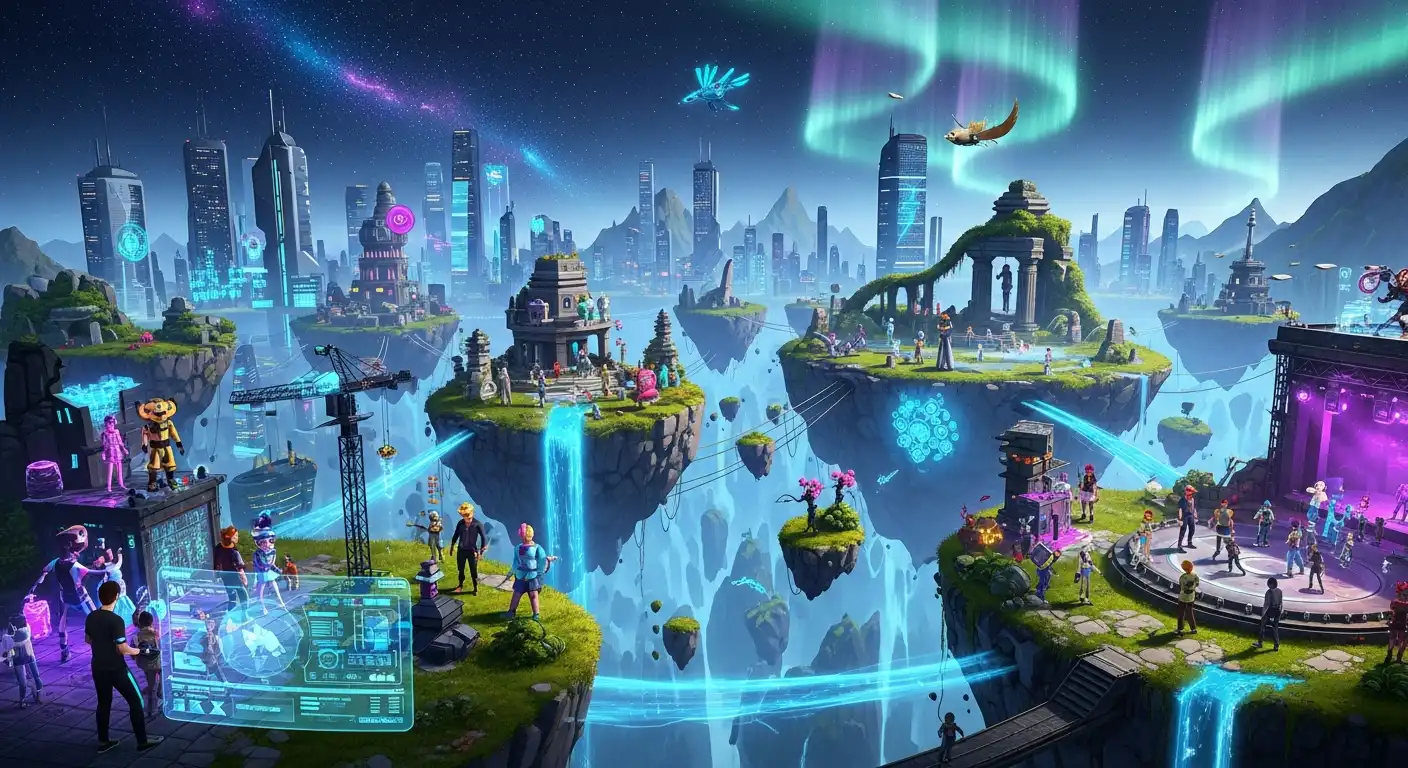
A few years ago, the “metaverse” was hailed as the next major computing platform, the successor to the mobile internet. Billions of dollars were poured into the vision of a shared, persistent virtual world for work, play, and socializing. Today, the hype has faded dramatically, and many investors are wondering if the metaverse is a costly distraction or still a valid long-term bet.
The Vision vs. The Reality
The grand vision of the metaverse, as seen in sci-fi movies, is a seamless, interconnected 3D internet. The reality today is a collection of disconnected, clunky virtual reality (VR) games and social apps with limited user adoption. The hardware, such as VR headsets, remains expensive and uncomfortable for many people. The gap between the ambitious vision and the current user experience is massive.
Meta’s All-In Gamble
Meta Platforms (META), formerly Facebook, has bet its future on the metaverse. It is spending tens of billions of dollars a year on its Reality Labs division with very little revenue to show for it so far. This huge spending has been a major concern for investors, who worry it’s a giant money pit that is distracting from the company’s highly profitable core social media business.
Is There a Business Case?
Beyond gaming, the most promising near-term application for the metaverse is in the enterprise and industrial sectors. Companies can use augmented reality (AR) and VR for employee training, product design, and remote collaboration. For example, a factory worker could use AR glasses to see repair instructions overlaid on a piece of machinery. These practical, business-focused applications may be where the metaverse first finds real traction.
The Gaming and Social Angle
While the grand vision is struggling, VR gaming continues to grow, albeit slowly. Companies like Roblox (RBLX) have created successful “proto-metaverses” that show what’s possible. These platforms have millions of users and their virtual economies. They provide a glimpse of how a more immersive social and entertainment platform could evolve over the next decade.
How to Think About Investing in the Metaverse
Investing directly in the metaverse today is a high-risk, speculative bet on a vision that may be a decade or more away. For most investors, it’s not a standalone investment thesis. Instead, it can be seen as a “call option” within a larger, more stable company like Meta or Apple (which is developing its own Vision Pro headset). The success or failure of their metaverse ambitions will be a part of their larger story.
Conclusion
The initial hype wave for the metaverse has crashed, but the underlying idea of more immersive digital experiences hasn’t disappeared. The timeline for mass adoption, however, is much longer and more uncertain than people first thought. For now, investors should view the metaverse as a highly speculative, long-term research project, not a near-term driver of profits.